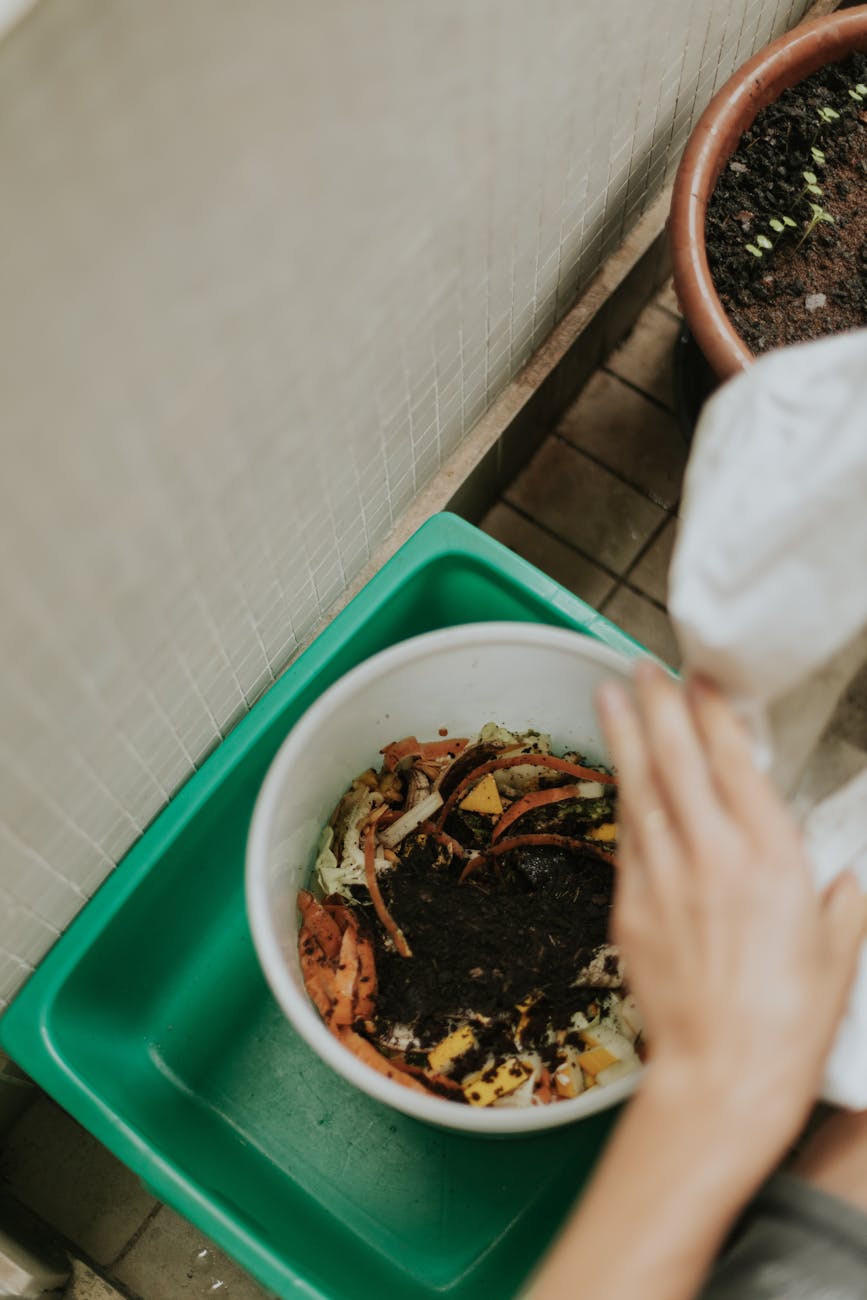
Unlock the Secrets of Soil Health Through Composting
Welcome to the wonderful world of gardening! Whether you’re tending a small backyard patch or managing a sprawling vegetable plot, the health of your soil is the absolute foundation upon which all successful gardening is built. If you want your plants to thrive, produce abundant harvests, and resist pests naturally, you need to understand how to feed your garden the right way. That’s where composting for beginners comes in. Composting isn’t just a chore; it’s an art and a science—a simple, powerful way to recycle kitchen scraps and yard waste into the most valuable resource for your garden: rich, organic soil amendment.
This comprehensive guide will walk you through everything you need to know to start your composting journey, demystify the process, and show you how this natural cycle can transform your gardening experience from frustrating guesswork to rewarding success.
Why Should I Start Composting? The Benefits for Your Garden
Many new gardeners focus immediately on what they need to grow, but a crucial step often overlooked is focusing on what the soil needs to sustain those plants. Adding compost offers profound benefits that ripple through your entire garden ecosystem.
Enhancing Soil Structure and Drainage
Healthy soil should act like a sponge—it should be loose, airy, and capable of holding moisture without becoming waterlogged or compacted. When you add organic matter like compost, it acts as a natural conditioner. It breaks down into humus, creating channels between soil particles. This improved structure allows water to penetrate deeply, reducing runoff and preventing the root rot that plagues many plants.
Boosting Nutrient Availability
Garden soil naturally loses nutrients over time. Compost is essentially slow-release, natural fertilizer. As the organic matter decomposes, it releases essential macro- and micronutrients (like nitrogen, phosphorus, and potassium) directly into the soil. This means your plants get a steady, balanced supply of food, reducing the need for excessive synthetic fertilizers.
Improving Water Retention
In dry spells, having compost-rich soil is a game-changer. Compost acts like a reservoir, holding onto moisture so that your plants don’t have to constantly battle drought conditions. This resilience is vital for plant health, especially in areas facing unpredictable weather patterns.
Reducing Waste and Environmental Impact
One of the most appealing aspects of composting for beginners is sustainability. By composting kitchen scraps and yard waste instead of sending them to a landfill, you are diverting significant amounts of organic material from waste streams. This reduces methane emissions (a potent greenhouse gas produced by decomposing waste) and creates a valuable resource right in your backyard.
Understanding the Science Behind Composting
Composting is essentially controlled decomposition. It’s an aerobic (oxygen-requiring) process where microorganisms—bacteria, fungi, and actinomycetes—break down organic materials into stable, nutrient-rich humus. Understanding this biological process makes the composting process much easier to manage.
The Role of Decomposers
These microscopic organisms are the true workhorses of composting. They consume the raw materials (your kitchen scraps and yard debris) and convert complex organic molecules into simpler forms that plants can absorb. A well-balanced compost pile is teeming with these beneficial microbes, which are essential for nutrient cycling and disease suppression in the soil.
The Carbon-to-Nitrogen Ratio (C:N Ratio)
For successful composting, you need a good balance of “greens” (nitrogen-rich materials) and “browns” (carbon-rich materials).
- Greens (Nitrogen): Food scraps, fresh grass clippings, plant trimmings. These provide the protein for microbial growth.
- Browns (Carbon): Dry leaves, shredded cardboard, straw, wood chips. These provide the energy and structure for the pile to breathe and decompose properly.
A general guideline is aiming for roughly a 25-30 parts carbon to 1 part nitrogen ratio in your final compost. If you have too many “greens” without enough “browns,” the pile can become slimy, smelly, and slow down—a sign that you need to add more dry, carbon-rich material.
Temperature and Aeration
Active composting requires warmth. When microbes are working hard, they generate heat. A properly managed pile should heat up significantly (often reaching 130°F to 160°F) in the center. This high temperature is crucial because it kills off many weed seeds and pathogens present in the raw materials, sanitizing the compost before it’s ready for use. Good aeration (placing the pile in a spot with good airflow) ensures the oxygen supply remains high, keeping the decomposition process vigorous.
Step-by-Step Guide to Successful Composting for Beginners
Starting your composting journey doesn’t require a massive setup. You can begin small, focusing on building a balanced system that works for you.
Choosing Your Composting Method
There are several ways to compost, depending on your space, time, and tolerance for mess:
- Open Pile/Bin: This is the simplest method, great for beginners. You simply layer materials in a designated area. It requires some management to keep it balanced and contained.
- Tumbling Bins/Tumblers: These enclosed systems are excellent for smaller spaces as they allow you to manage moisture and aeration easily within a contained unit.
- Worm Composting (Vermicomposting): Using specialized worms to process food scraps indoors or in a small bin is an incredibly efficient method, producing nutrient-dense worm castings perfect for houseplants or small gardens.
- Compost Bins/Systems: These are pre-made containers that offer a more structured approach, often incorporating drainage and easy turning mechanisms.
Gathering Your Materials: Browns vs. Greens
To ensure your compost breaks down efficiently, focus on balancing your inputs correctly. Start by gathering materials from your kitchen and yard:
- Kitchen Inputs (Greens): Vegetable peels, fruit scraps (no meat or dairy), coffee grounds, tea bags. Keep these separate until you have enough “browns” to balance them.
- Yard Inputs (Browns): Dry leaves (the best source!), dry straw, shredded newspaper, dry twigs, untreated wood chips. These provide the bulk and structure.
Pro Tip: Aim for a ratio where you can visually see a good mix of browns to greens—think roughly two or three parts brown material for every one part green material when building up your pile.
Building Your Compost Pile
- Base Layer (Drainage): Start with a layer of coarse, bulky brown materials (like small twigs or straw) at the bottom to ensure good airflow from the start.
- Layering: Begin layering your materials. Start with a layer of browns, followed by a layer of greens. Avoid piling too much of one material on top of another; aim for alternating layers.
- Moisture Control: The pile should feel consistently damp, like a wrung-out sponge—not soaking wet and not bone dry. If it’s too wet, add more browns. If it’s too dry, add water slowly.
- Finishing: Once materials are incorporated, gently mix the pile to ensure even distribution of air and moisture. Cover the finished pile with a layer of dry leaves or compost to keep pests away and retain moisture.
Troubleshooting Common Composting Issues
Even with the best intentions, composting can present occasional challenges. Knowing how to spot and fix problems keeps your process smooth.
Problem 1: The Pile Smells Bad (Ammonia or Rotten Eggs)
A foul odor usually signals an imbalance in the pile, often caused by too much nitrogen (“greens”) and not enough oxygen (poor aeration).
- Fix: Immediately stop adding food scraps until you rebalance. Turn the pile thoroughly to introduce more air. Add a large volume of dry, carbon-rich material (like dry leaves or shredded cardboard) on top to absorb the excess moisture and balance the ratio.
Problem 2: The Pile is Cold and Not Breaking Down
If your compost pile isn’t heating up or decomposing slowly, it likely lacks the necessary microbial activity or oxygen.
- Fix: This usually means insufficient “greens” (food scraps) or poor airflow. Ensure you are adding a good mix of browns and greens, and make sure there is plenty of space for air to circulate around the pile.
Problem 3: Pests Invade the Pile
While composting is naturally pest-resistant, pests like rodents or insects can sometimes be attracted if food scraps are left exposed.
- Fix: Keep your compost bin or pile neatly contained and covered with a layer of dry material (like a thick layer of finished mulch or leaves) to deter unwanted visitors while the decomposition process continues safely underground.
Harvesting Your Compost: What Do I Get?
The final product of your effort is rich, dark, crumbly compost—humus. This material is incredibly valuable and should be used to enrich your garden beds.
Using Compost in Your Garden
- Top Dressing: Spread a layer of finished compost (about 1 to 3 inches thick) over existing garden beds before planting new seeds or transplants.
- Soil Amendment: Mix the compost thoroughly into your native soil to naturally improve its structure and nutrient content.
- Potting Mix Booster: Add compost to potting mixes for containers, as it improves water retention and feeds the roots slowly.
Remember that compost is a living amendment. It’s not just “dirt”; it’s the concentrated life force of decomposition, ready to give your garden the boost it needs to flourish naturally. Embrace the process, observe your pile, and watch your soil health—and your garden—transform! If you are interested in learning more about specific composting techniques or related gardening practices, exploring resources like those found at sqdq can provide further insight into sustainable practices.
Tags: composting, soil health, gardening tips, natural amendments, compost, beginner gardening, soil science
Featured Image by Letícia Alvares on Pexels.