
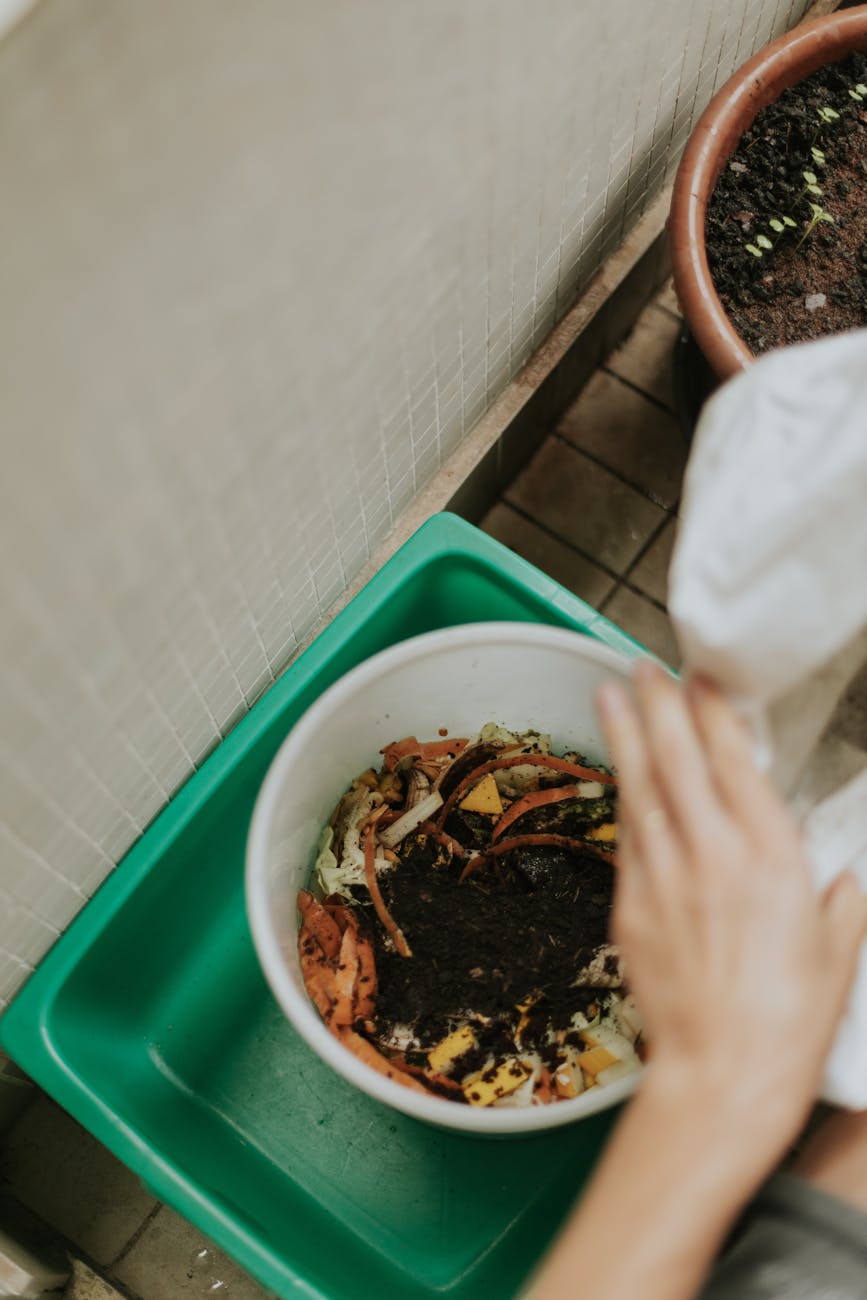
Unlocking the Secrets of Soil: Why Composting Matters for Your Garden
Welcome to the wonderful world of gardening! Whether you’re tending a small balcony container or managing acres of land, the foundation of a successful garden lies beneath your feet: the soil. Healthy soil isn’t just dirt; it’s a living ecosystem teeming with nutrients, water retention capacity, and beneficial microorganisms. If you want your plants to thrive, produce abundant harvests, and resist pests naturally, understanding how to build and maintain this rich medium is essential. This guide will walk you through everything you need to know about composting for beginners, demystifying the process and showing you how this simple act can revolutionize your gardening experience.
The Science Behind Soil Health
Before diving into the “how-to” of composting, it’s helpful to understand why we do it. Healthy soil is alive. It’s a complex matrix made up of organic matter (like decomposed leaves and food scraps), minerals, air, water, and a vast community of living organisms—bacteria, fungi, earthworms, and microbes.
When you add organic matter like compost to your soil, you are feeding this microbial life. These microorganisms break down the organic materials, releasing essential plant nutrients in forms that plants can easily absorb. This process improves several key aspects of the soil structure:
- Improved Water Retention: Soil rich in compost acts like a sponge, allowing it to hold onto moisture for longer periods, which is crucial during dry spells and reduces the need for frequent watering.
- Enhanced Nutrient Supply: Compost slowly releases nitrogen, phosphorus, and potassium (the primary macronutrients) along with a wide array of micronutrients that plants need to grow strong.
- Better Aeration: Organic matter helps create air pockets in the soil, allowing roots to breathe and access necessary oxygen for healthy root development.
- Disease Suppression: A thriving microbial community helps establish a balanced ecosystem that naturally discourages the growth of many plant diseases.
What Exactly is Composting?
In its simplest form, composting is the natural process of recycling organic waste materials into a rich, humus-like soil amendment. It is essentially controlled decomposition. Instead of letting organic matter sit to rot in a landfill—a process that releases harmful methane gas—composting manages this breakdown to create valuable, nutrient-dense compost.
Think of a compost pile as an outdoor, managed factory where nature’s recyclers work together to transform kitchen scraps and yard waste into “black gold” for your garden.
The Essential Ingredients: Browns and Greens
Successful composting relies on maintaining the right balance between two main types of materials: carbon-rich materials (the “Browns”) and nitrogen-rich materials (the “Greens”). Aiming for the correct ratio is key to a fast, effective decomposition process.
Browns (Carbon Sources)
Brown materials provide the bulk, structure, and energy for the composting process. They decompose slowly and create the necessary air pockets in the pile.
- Dry Leaves: Fallen leaves are one of the best sources, providing excellent, slow-release carbon.
- Shredded Cardboard: Torn or shredded paper products (avoid glossy or heavily inked paper).
- Straw and Hay: Excellent for bulk material, especially if you have access to farm byproducts.
- Wood Chips: Small, untreated wood chips can be used in larger piles, though they should be broken down first.
Greens (Nitrogen Sources)
Green materials provide the protein and nitrogen that the microorganisms need to multiply rapidly and break down the carbon.
- Fruit and Vegetable Scraps: Peels, cores, and trimmings from your kitchen garden are perfect.
- Grass Clippings: Freshly cut grass is a fantastic nitrogen source.
- Manure: Animal manures (from herbivores like cows, chickens, or horses) are excellent, but must be aged properly before use.
Step-by-Step Guide to Composting for Beginners
Starting your composting journey doesn’t require acres of land or expensive equipment. You can begin right in your backyard, balcony, or even indoors with a simple bin.
Choosing Your Composting Method
There are several ways to compost, depending on your space and commitment level:
- Open Pile/Bin: This is the simplest method, ideal for beginners. You can use a wooden bin, a plastic container, or even a simple wire mesh structure to collect materials. It requires regular turning to ensure aeration.
- Compost Bins (Tumblers): These enclosed systems are excellent for smaller spaces as they keep the pile contained and manage moisture better.
- Vermicomposting (Worm Composting): Using specialized worms (like Red Wigglers) to process kitchen scraps indoors or in a bin is an incredibly efficient method, producing nutrient-rich worm castings.
Building Your Ideal Compost Pile
For a successful outdoor pile, follow these steps:
- Select the Location: Choose a spot that is easily accessible but shaded or partially shaded to prevent the pile from drying out too quickly. Ensure it is on level ground with good drainage.
- Establish Layers: Start by creating a base layer of coarse browns (like twigs or straw) to ensure good airflow from the bottom.
- Layering Materials: Alternate layers of Browns and Greens. A general rule of thumb is to aim for roughly two to three parts Brown material for every one part Green material.
- Moisture Management: The pile should feel like a wrung-out sponge—damp, but not soggy. Add water if it seems too dry, or add more dry browns if it is too wet.
- Aeration and Turning: This is critical! Decomposition needs oxygen. Turn the pile regularly (every week or two) using a pitchfork or shovel to mix the materials thoroughly. Turning introduces fresh air, speeds up the process, and prevents the pile from becoming smelly.
Troubleshooting Common Composting Issues
Even with the best intentions, composting can present a few common hurdles. Knowing what to look for helps you troubleshoot effectively.
Problem 1: The Pile Smells Bad
A foul or rotten smell usually indicates an imbalance in the pile, often due to too much “Green” material and insufficient oxygen (anaerobic conditions).
- The Fix: Stop adding fresh Greens immediately. Mix in a large amount of dry Browns (like dry leaves or shredded cardboard) and turn the pile vigorously to introduce air. Reintroduce Greens slowly once the balance is corrected.
Problem 2: Slow or No Decomposition
If your compost seems stuck, it usually means the materials are either too dry or lack the right microbial activity.
- The Fix: Check moisture levels. If it’s dry, add water gradually while turning. If it remains stubbornly slow, ensure you have a good mix of Browns and Greens, and consider adding a ‘starter’—a handful of finished compost to jump-start the process.
Problem 3: Pests in the Pile
While healthy compost is generally pest-free, if you notice rodents or insects, it means your pile might be attracting pests from elsewhere.
- The Fix: Ensure all food scraps are buried deep within the pile and covered by a thick layer of Browns. Keep the pile well-managed and turned regularly to prevent attractive, exposed materials.
Advanced Tips for Superior Compost
Once you have the basics down, you can elevate your composting game to produce truly exceptional soil amendments.
The Role of Compost Tea
Compost tea is a liquid byproduct created by steeping finished compost in water. This “tea” is rich in beneficial microorganisms and plant growth hormones. It can be used as a foliar spray for plants or as a soil drench to rapidly introduce microbial life into struggling garden beds.
Incorporating Compost into Your Garden
Don’t just pile it up; integrate your finished compost directly into the soil where you plan to plant.
- Top Dressing: Spread a 1-2 inch layer of compost over garden beds before planting new seeds or transplants.
- Soil Amendment: Mix compost thoroughly into the top 6-8 inches of existing soil. This slowly feeds the soil ecosystem from the bottom up, building long-term soil health.
Final Thoughts on Composting for Beginners
Embracing composting for beginners is one of the most rewarding steps you can take toward creating a sustainable and bountiful garden. It transforms what we throw away into a valuable resource, reduces household waste, and gives you direct control over the quality of the soil your plants depend on. Start small, be patient—composting is a living process that requires observation and adjustment—and watch as you transform kitchen scraps and yard waste into the rich, dark, living soil that will support a thriving garden for years to come. Remember, every little bit of organic matter you add contributes to a healthier planet and a healthier harvest!
Tags: composting, soil health, gardening, natural amendments, beginner gardening, organic gardening, soil science
Featured Image by Letícia Alvares on Pexels.