
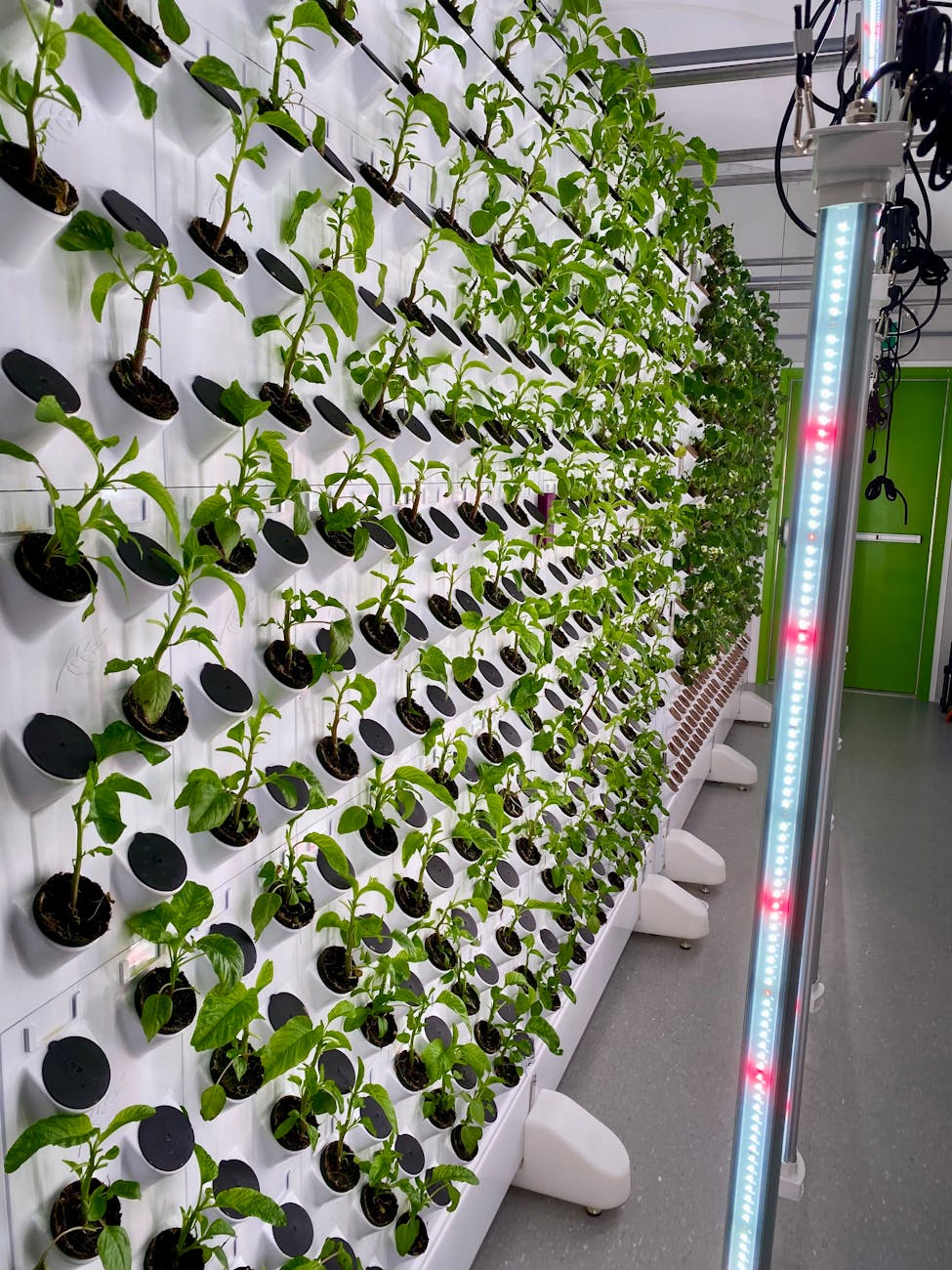
Cultivating Greenery Indoors: Your Complete Guide to Indoor Vertical Gardening Hydroponics
Dreaming of fresh herbs, crisp vegetables, and vibrant flowers right in your apartment? Bringing the bounty of a garden indoors is more achievable than you think, especially with the rise of modern growing techniques. If you live in an apartment and have limited outdoor space, indoor vertical gardening hydroponics is the perfect solution. It allows you to maximize your growing space, use significantly less water, and enjoy fresh produce year-round, regardless of the weather outside.
This comprehensive guide will walk you through everything you need to know to set up and maintain a thriving indoor vertical garden using hydroponic systems. Whether you are a complete beginner or looking to expand your green thumb, prepare to transform your kitchen or balcony into a lush, productive oasis!
Why Choose Indoor Vertical Gardening Hydroponics?
Traditional soil gardening can be cumbersome in small apartment spaces. Vertical gardening addresses this by utilizing vertical space, making it ideal for balconies, windowsills, or even interior walls. When combined with hydroponics, you introduce a water-based growing method that offers incredible efficiency and control over the growth environment.
Maximizing Small Spaces
Apartment living often means sacrificing floor space. Vertical systems solve this by growing plants upwards rather than sprawling across the floor. This is especially beneficial for renters or those with limited outdoor access. You can stack layers of plants, maximizing yield in a small footprint.
Water and Nutrient Efficiency
Hydroponics is inherently water-efficient compared to traditional soil methods because the water is continuously recirculated through the system. This means you use significantly less water—often up to 90% less—compared to soil gardening, which is a huge advantage in urban living. Furthermore, because nutrients are delivered directly to the roots via the water, plants absorb everything they need efficiently and quickly.
Year-Round Growing Potential
By controlling the environment entirely within a sealed or controlled space, you eliminate seasonal limitations. You can grow tomatoes in the winter or fresh lettuce year-round simply by managing the light and nutrient levels provided by your hydroponic setup.
Pest and Disease Reduction
Since hydroponic systems rely on controlled water and nutrient solutions rather than soil, the risk of many common soil-borne pests and diseases is drastically reduced. This leads to healthier plants and less need for chemical interventions, making it a safer option for indoor gardening.
Understanding the Basics: Hydroponics Explained
Before diving into building your vertical garden, it’s essential to understand what hydroponics is. Simply put, hydroponics is a method of growing plants without soil, using mineral nutrient solutions dissolved in water.
How Hydroponics Works
In a hydroponic system, the roots of the plants are suspended in or bathed by this nutrient-rich water. Instead of relying on soil for anchorage and nutrition, the roots absorb all necessary elements (water, oxygen, and dissolved minerals) directly from the solution. The plant’s growth is entirely dependent on the precise balance of these delivered nutrients.
Types of Hydroponic Systems Relevant to Vertical Gardening
There are several ways to implement hydroponics vertically. Understanding the differences will help you choose the right system for your apartment setup:
- Deep Water Culture (DWC): This involves placing the plant roots directly into a container filled with nutrient-rich water, often with an air stone providing oxygenation. This is a simple, cost-effective starting point.
- Nutrient Film Technique (NFT): In NFT systems, a very thin film of nutrient solution flows continuously over the roots in channels or pipes. This method is excellent for growing leafy greens and is very space-efficient for vertical stacking.
- Drip Systems: While often used in soil gardening, modified drip systems can be adapted for hydroponics to deliver water and nutrients directly to the base of each plant container within a vertical frame.
Selecting Your Indoor Vertical Gardening Hydroponics Setup
Choosing the right system depends on your budget, the space you have, and the type of plants you wish to grow. For most apartment dwellers aiming for indoor vertical gardening hydroponics, NFT or stacked DWC setups are the most practical choices.
Choosing a Vertical Structure
The physical structure is what defines the “vertical” aspect of your garden. Consider these options:
- PVC Pipe Systems: Affordable and easy to customize for creating tiered or stacked levels.
- Pallet or Shelf Systems: Repurposing wooden pallets or sturdy shelving units can serve as the frame for your growing channels, offering rustic charm and stability.
- Custom Shelving/Rack Systems: Building custom frames from wood or metal allows for precise control over spacing and plant orientation, which is crucial for maximizing light exposure.
Selecting Your Hydroponic Components
Once you have the structure, you need the components that manage the water and nutrients:
- Reservoir: A container to hold the nutrient solution. Ensure it is opaque or covered to prevent algae growth.
- Pumps and Plumbing: Necessary for circulating the water efficiently through the vertical channels.
- Grow Media (Optional): While hydroponics eliminates soil, you may use inert materials like rockwool or coco coir as a base for your seedlings before placing them in the nutrient solution.
- Nutrient Solution: Purchase a balanced, water-soluble hydroponic fertilizer specifically designed for your chosen plants (e.g., herbs, lettuce).
Step-by-Step Setup Guide for Beginners
Setting up your first indoor vertical gardening hydroponics system requires careful planning. Follow these steps to ensure a successful start.
Step 1: Planning and Sizing Your Garden
Determine the area you have available (e.g., a narrow windowsill or a corner of the kitchen). Sketch out how many plants you want to grow and estimate the required vertical height. This step dictates the size of your reservoir and frame. Remember that plant spacing is crucial for adequate airflow and light penetration.
Step 2: Assembling the Frame
Construct your vertical structure. If using PVC pipes, ensure all joints are tightly sealed to prevent leaks. If using a shelf system, make sure it is sturdy enough to support the weight of water and plants. Proper drainage pathways must be built into this stage.
Step 3: Installing the Growing Channels
Install the NFT channels or DWC platforms within your frame. Ensure there is enough space between channels for easy access during maintenance and adequate air circulation around the roots.
Step 4: Setting Up the Plumbing and Reservoir
Connect your pump to the system, ensuring water flows correctly from the reservoir up through the channels. Place the reservoir in a stable location where it is accessible but protected from direct, intense sunlight (which can cause rapid temperature swings).
Step 5: Preparing the Nutrient Solution
Fill the reservoir with water. Add the hydroponic nutrient solution according to the manufacturer’s instructions. Start with a weak solution if you are new to hydroponics, as it allows you to monitor plant reactions easily.
Step 6: Planting and Initial Growth
Start your seeds or seedlings in rockwool or coco coir plugs. Once the plants have developed a few true leaves (about two weeks), carefully place them into the growing channels or pockets. Monitor the water level daily, ensuring the solution remains consistent.
Essential Maintenance for Thriving Hydroponic Plants
A successful indoor vertical gardening hydroponics setup demands consistent attention. Unlike soil gardening where you can simply adjust the topsoil, hydroponics requires monitoring the water quality and environment closely.
Monitoring Water Parameters (The Secret to Success)
The health of your plants is reflected in the water. You must regularly test for:
- pH Level: Most plants thrive in a slightly acidic range, typically between 5.5 and 6.5. Use a reliable pH testing kit.
- Nutrient Concentration (EC/PPM): This measures the strength of your nutrient solution. Too weak means insufficient growth; too strong can burn the roots.
- Water Temperature: Maintain a stable temperature for optimal nutrient uptake.
Light Management
Since you are indoors, light is your primary energy source. Position your vertical garden near the brightest window possible. If natural light is insufficient, investing in full-spectrum LED grow lights is highly recommended to ensure your plants receive the intensity needed for robust growth.
Feeding Schedule and Water Changes
Monitor how quickly the plants consume the nutrients. You will need to top up the reservoir with fresh water and nutrients regularly (often every week) to maintain optimal levels. Changing the entire nutrient solution periodically prevents the buildup of mineral salts that can harm the roots.
Troubleshooting Common Indoor Hydroponic Issues
Even with careful planning, problems can arise. Being proactive in troubleshooting will save your garden!
| Problem | Potential Cause | Solution |
| :— | :— | :— |
| Yellowing Leaves | Nutrient deficiency (Nitrogen or Iron) or poor pH balance. | Check and adjust the nutrient solution; ensure pH is within the optimal range (5.5–6.5). |
| Algae Growth | Light exposure in the reservoir causes algae to flourish. | Ensure the reservoir is shaded from direct light, or use opaque containers. |
| Root Rot/Slimy Roots | Water is stagnant, lacking oxygen, or pH is too high. | Increase water circulation (air pump); ensure good aeration; adjust pH downward. |
| Stunted Growth | Insufficient nutrients or inadequate light intensity. | Increase the concentration of fertilizer slightly, or supplement with supplemental grow lights. |
Final Thoughts on Indoor Vertical Gardening Hydroponics
Embracing indoor vertical gardening hydroponics is an exciting step toward creating a more sustainable and rewarding indoor environment. It marries the efficiency of modern technology with the joy of gardening, allowing apartment dwellers to access incredibly fresh, homegrown produce right at their fingertips. By understanding the fundamentals—the water cycle, nutrient balance, and light requirements—you are well on your way to cultivating a lush, productive vertical garden in your home. Start small, experiment with different plants, and enjoy watching your indoor oasis flourish! For more advanced tips on optimizing growing environments, you can explore resources like sqdq.
Tags: hydroponics, vertical gardening, apartment gardening, indoor gardening, beginner guide, indoor plants, DIY gardening
Featured Image by Emily Bow Pearce on Pexels.