
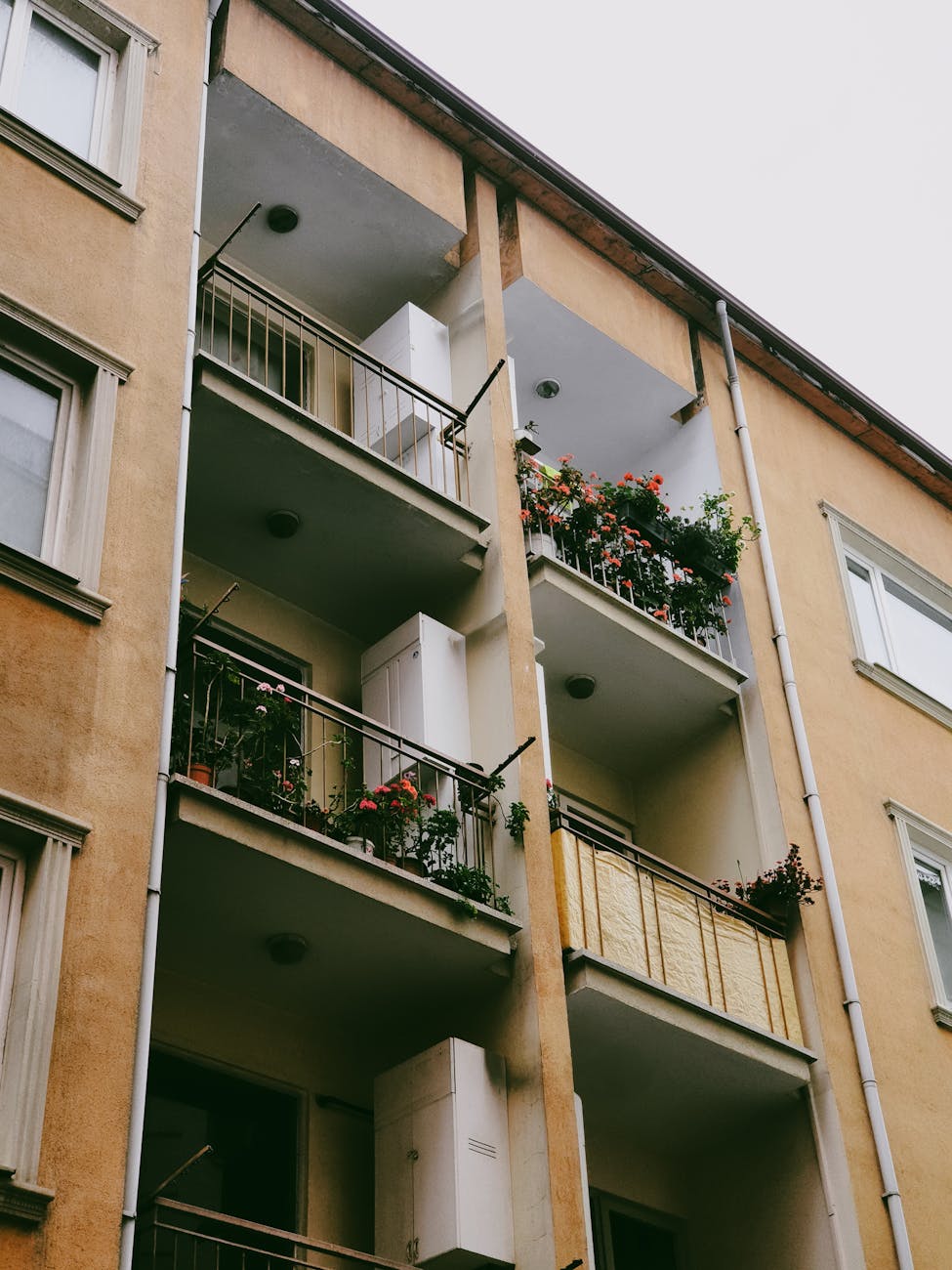
Maximizing Vertical Real Estate for Urban Growers
The constraint of limited horizontal space is a defining characteristic of small urban living. When we consider balconies or narrow patios, the usable square footage often seems insufficient for cultivating meaningful harvests. This spatial limitation forces a fundamental shift in gardening strategy; one must move beyond traditional, ground-level cultivation and engage with three-dimensional growth mechanics. Vertical gardening emerges not merely as an aesthetic choice but as a necessary architectural adaptation to maximize photosynthetic surface area within confined boundaries. We observe that the vertical plane offers a direct pathway to increasing yield density where horizontal space is negligible.
The Mechanics of Vertical Cultivation Systems
Implementing vertical systems requires understanding how plants utilize space and light exposure in a stacked environment. Instead of spreading out, we stack cultivation layers, effectively creating micro-ecosystems on a single wall or railing. This approach addresses the scarcity of soil volume by utilizing the entire accessible surface area. The primary mechanism at play is optimizing light interception; positioning plants strategically ensures that each tier receives adequate photons, preventing shading effects between layers.
Consider the structure itself. Whether utilizing tiered shelving units, hanging pockets, or modular panel systems, the design dictates water flow and substrate retention. A critical analytical step involves assessing substrate depth versus root mass. Shallow media necessitates more frequent watering cycles because the water reservoir is smaller, demanding precise monitoring of soil moisture tension throughout the system. We must engineer systems where substrate volume is managed efficiently, preventing water runoff while ensuring roots have access to necessary hydration.
Selecting Appropriate Vertical Growing Methods
Different vertical methods serve distinct functional purposes based on the available light intensity and the desired plant type. Choosing the correct methodology depends entirely on the physical constraints of the balcony or patio setup.
Planters and Pallet Systems
Simple hanging systems, utilizing macrame or simple hooks, are excellent for smaller herb varieties or trailing vines where root depth is not a major concern. These methods offer flexibility but limit the total biomass that can be supported. Conversely, modular wall-mounted systems, often constructed from reclaimed wood or durable metal, provide robust support for heavier containers and larger plants. We analyze these systems based on load-bearing capacity; poor structural assessment in this context leads to potential failure, which is a significant risk when scaling up container weight.
Pallet gardening represents an ingenious application of repurposed materials. These systems offer substantial surface area and inherent rustic appeal, but the material itself requires careful treatment to ensure long-term viability against moisture and rot. The successful integration of pallets into a vertical system demands attention to drainage channels so that excess water does not saturate the wood structure directly.
Pocket and Grid Systems for High Density
For maximizing yield in small space, systems employing grid or pocket structures demonstrate superior efficiency. These frameworks allow for the dense packing of plants, maximizing the number of individual cultivation zones per square meter. This density is crucial when attempting to grow a diverse array of edibles simultaneously on a small balcony. When planning these layouts, we must calculate the specific spatial requirements for each plant species; lettuce requires less deep soil than tomatoes, influencing how tightly they can be positioned in a vertical matrix.
The efficiency gain here directly impacts output. If one can fit three layers of leafy greens where only one traditional planter existed, the return on investment in limited real estate is significantly amplified. This density pushes us to consider substrate management intensely. We see that managing the root environment becomes paramount when plants are closely spaced; poor aeration leads to root stress and reduced nutrient uptake.
Substrate Management in Vertical Environments
The soil medium itself plays a disproportionate role in vertical gardening success, especially where water retention must be balanced against the need for adequate oxygen exchange. In confined systems, the substrate acts as both a growing medium and a crucial hydrological component. We must move away from simply filling containers with generic potting mix; we are engineering a specific environment.
When utilizing vertical structures, the weight of the growing medium impacts the structural integrity of the support system. Therefore, lighter, more aerated substrates should be prioritized where possible, provided they still offer sufficient water retention for the chosen plants. Analyzing soil composition allows us to tailor amendments precisely. For instance, adding perlite or vermiculite increases porosity, which improves gaseous exchange necessary for healthy root respiration.
The need to manage water delivery becomes highly specific in vertical setups. Gravity assists water flow downward, but ensuring even distribution across multiple tiers requires thoughtful plumbing design. A poorly designed system can result in stagnant zones where water pools, leading to anaerobic conditions that inhibit growth and increase susceptibility to disease. We must establish a consistent, controlled irrigation strategy for each vertical level.
Managing Pests in Concentrated Environments
Concentrating plant mass into a small area inevitably heightens the potential for pest proliferation. When plants are closely packed on vertical surfaces, the microclimate can become more conducive to pest establishment because airflow patterns change and humidity levels stabilize differently than in open-field cultivation. We observe that integrated pest management must be proactive rather than reactive.
Understanding the specific environment is the first step toward effective control. Monitoring for pests like aphids or spider mites requires close inspection of the undersides of leaves and in the crevices between plants. If infestations become visible, immediate, targeted intervention prevents widespread damage. Research into local ecological pressures informs our response; knowing when to intervene minimizes the need for broad-spectrum chemical applications that harm beneficial insects. For example, understanding the life cycles of common city garden pests is essential for implementing effective control measures: City Garden Pests: Visual Guide for Apartment Dwellers.
Optimizing Growth Potential and Yield
The ultimate goal of employing vertical gardening small space techniques is to achieve maximum photosynthetic output from minimal footprint. This involves fine-tuning nutrient delivery based on the plant’s specific growth stage within its confined environment. Since root access and nutrient availability are intrinsically linked to substrate management, optimizing these two factors dictates potential yield.
When planting in containers or narrow beds, density must be balanced against individual plant needs. If we attempt to grow high-yield vegetables like tomatoes or peppers vertically, the support structure and substrate volume need to accommodate the heavy, expansive root systems; otherwise, stunted growth is the observable outcome. For smaller-scale cultivation of herbs or greens, we can focus on maximizing surface area per root mass by utilizing high-density container gardening secrets: Maximize Yield in Tiny Pots: High-Density Container Gardening Secrets. This principle applies equally to vertical arrangements—the goal remains achieving the highest biomass yield from the limited volume available.
The process demands iterative adjustment. We measure light exposure, monitor water retention rates across different vertical layers, and assess plant vigor weekly. This continuous feedback loop transforms the gardening endeavor from a simple hobby into an applied scientific exercise in spatial resource management. The result is a productive urban sanctuary where every inch of balcony space contributes meaningfully to the harvest.
Tags: vertical gardening, small space gardening, balcony gardening, urban gardening, space saving, container gardening, vertical planters
Featured Image by Ece Ebrar TOYCU on Pexels.