
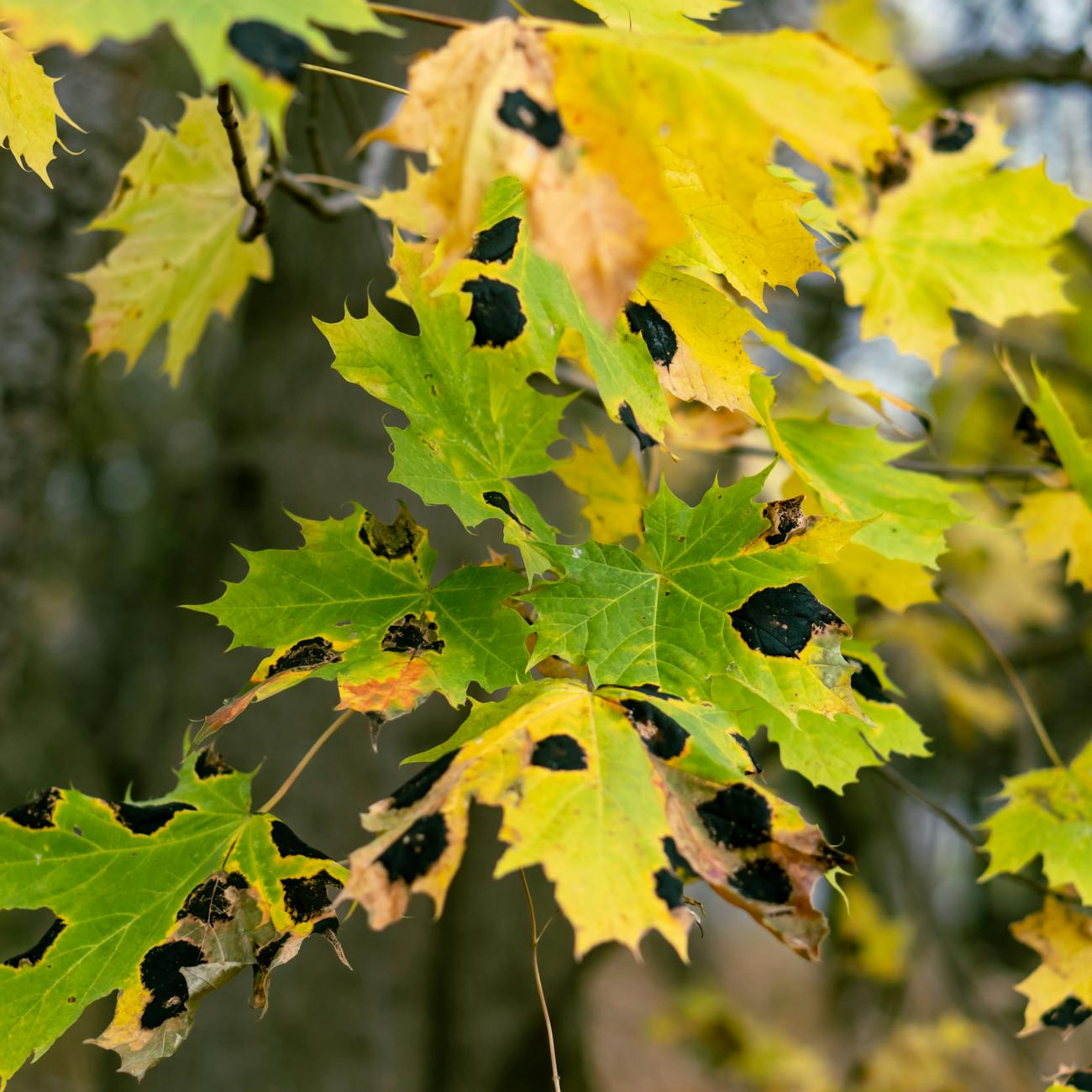
Understanding the Mechanisms Behind Fungal Infections in Urban Settings
When cultivating plants in confined urban spaces, the microclimate shifts dramatically compared to larger, open agricultural fields. This altered environment creates specific conditions where fungal pathogens thrive with remarkable efficiency. We observe that humidity levels often remain elevated near dense foliage and concrete surfaces, providing the necessary moisture retention for spore germination. Understanding this environmental dynamic is the first step toward effective mitigation of fungal infections in urban gardening.
The primary agents responsible for garden blight are not random occurrences; they follow predictable biological pathways dictated by moisture, temperature, and air circulation. For instance, Botrytis cinerea, the cause of gray mold, requires sustained high relative humidity above 90% to initiate infection on susceptible tissues. Conversely, powdery mildew, caused primarily by Erysiphe species, thrives when leaf surfaces remain damp for extended periods, allowing the fungal mycelium to colonize the epidermal cells. This dependence on environmental parameters means that simply introducing a fungicide is often insufficient if the underlying conditions remain unchanged.
Identifying the Symptoms of Fungal Disease Early
Accurate diagnosis hinges on observing the specific manifestation of the infection on the plant structure itself. We must learn to differentiate between symptoms caused by fungal invasion and those resulting from nutrient deficiency or pest damage, which can easily mask the true problem.
Powdery Mildew Manifestations
Powdery mildew presents as a distinct, dusty white or grayish coating on the leaf surface. Our analysis shows that this symptom results from the fungal hyphae growing across the leaf cuticle, actively consuming photosynthetically active tissue. The lesions typically appear first on the youngest, most exposed growth points before spreading across the entire canopy. If you observe a fine, powdery residue, it signals an active colonization event requiring immediate intervention.
Mold and Rot Indicators
Fungal rot, particularly that caused by Botrytis or various water molds, manifests differently. These infections typically cause soft, discolored spots or lesions on stems or fruit, leading to tissue necrosis and eventual collapse. The texture shifts from firm to mushy, which is a direct physical indicator of cellular breakdown initiated by the fungal enzymes. Observing wilting combined with discoloration signals that the root system or vascular tissue has been compromised internally.
Controlling Fungal Proliferation Through Environmental Management
Since fungi require specific conditions to proliferate, controlling the environment becomes the most potent long-term strategy against fungal infections urban gardening. Managing moisture and airflow directly interrupts the cycle of infection.
Mastering Humidity and Airflow Dynamics
High humidity creates a persistent damp microclimate that encourages spore dispersal and infection cycles. In small urban spaces, dense planting often traps moisture near the soil line, preventing adequate evaporative cooling from the leaves. We must actively increase air circulation across all plant surfaces. Positioning plants so they do not create dense, stagnant layers allows ambient air to move freely over the foliage. This constant air movement reduces the boundary layer of humid air immediately surrounding the leaves.
Implementing Physical Barriers and Support Structures
Physical management offers tangible control mechanisms. Utilizing vertical structures helps elevate foliage off damp ground surfaces, directly mitigating soil-borne moisture transfer that feeds these pathogens. Installing trellises or living walls physically separates plants from ground-level humidity and allows for superior air exchange. For example, establishing Vertical Victory: Living Walls & Trellises for Urban Flowers creates an elevated growing plane where airflow is maximized, effectively reducing the conditions favorable to mildew development.
Adjusting Watering Practices
Watering technique has a profound impact on fungal risk. Overwatering saturates the root zone, creating anaerobic conditions that stress roots and weaken plant defenses against opportunistic pathogens. We advise assessing soil moisture content before each irrigation event rather than relying on a fixed schedule. Allowing the topsoil to dry out slightly between waterings encourages the beneficial microbial activity in the soil while preventing surface saturation, which is crucial for managing DIY Soil Amendments for Concrete: Urban Gardening Solutions.
Organic Treatments and Preventative Measures
When environmental controls are insufficient, targeted treatments can manage outbreaks without resorting to harsh synthetic chemicals. The focus shifts to strengthening the plant’s natural defenses or introducing competitive biological agents.
Botanical and Organic Solutions
Many organic compounds possess inherent antifungal properties that can inhibit fungal growth when applied correctly. Substances derived from certain plant extracts demonstrate efficacy in suppressing surface colonization, particularly against mildews. Applying these treatments must be done judiciously, targeting the infected areas directly rather than treating the entire canopy unnecessarily. We observe that preventative applications during periods of high risk—such as prolonged wet weather—yield better results than reactive treatments after visible symptoms appear.
Utilizing Beneficial Microbes
A healthy soil ecosystem supports plant health by fostering a robust community of beneficial microorganisms. Introducing beneficial bacteria and fungi can help establish a competitive balance against pathogenic invaders. These symbiotic relationships enhance the plant’s systemic resistance, meaning the plant is less susceptible to infection over time. Cultivating this microbial diversity enhances the overall resilience of your small urban garden environment.
Long-Term Strategy for Sustainable Urban Fungal Control
Fungal infections are rarely solved by a single application; they represent an ongoing negotiation between the living organism and its physical surroundings. Successful management requires integrating these elements into a consistent, long-term operational framework.
The process demands constant observation of microclimates. Pay close attention to how water pools after rain or irrigation ceases. Monitor plant density relative to their support structures. Adjust watering schedules based on observed soil moisture gradients rather than arbitrary time markers. This analytical approach shifts the focus from merely treating symptoms to engineering an environment where fungal proliferation is inherently difficult. By understanding the precise environmental triggers—excess moisture, poor air circulation, and compromised root health—we gain the leverage needed to maintain healthy, thriving urban gardens against these persistent biological challenges.
Tags: mildew control, powdery mildew, urban gardening, fungal disease, indoor gardening, organic pest control, gardening tips
Featured Image by Ahnaf Piash on Pexels.