
The Mechanics of Container Gardening Urban Success
Transitioning from traditional in-ground cultivation to container gardening urban settings involves shifting focus from soil volume management to substrate engineering and water dynamics. We are fundamentally altering the physical constraints of the growing environment, meaning the system’s success hinges entirely on managing resource exchange within a limited physical footprint. Observing successful small-scale operations reveals that containers are not merely vessels; they are complex micro-ecosystems demanding precise material selection and hydrological control.
Selecting Optimal Pot Materials for Root Health
The material a container is constructed from dictates the rate at which water is absorbed, the thermal properties of the soil medium, and the overall longevity of the root structure. Terracotta pots, while aesthetically pleasing, exhibit high porosity; this means they wick moisture rapidly, potentially forcing more frequent watering, which can stress roots if not managed correctly. Conversely, plastic containers offer excellent water retention but can impede necessary gas exchange around the root zone, creating a stagnant microclimate when the soil dries out too quickly.
We observe that ceramic or glazed materials often present a middle ground, balancing water retention with adequate breathability for healthy microbial activity near the roots. For maximizing root respiration and preventing anaerobic conditions, we must prioritize porous materials where possible. Consider the long-term implications of using dense, impermeable materials; they restrict the necessary exchange of oxygen required by plant roots to perform vital metabolic functions.
Mastering Drainage and Substrate Engineering
The single most critical mechanical failure point in container gardening is inadequate drainage. Waterlogged roots suffocating the plant stem initiates a cascade of root rot, regardless of how perfectly we mix the soil components. Therefore, implementing robust drainage systems is non-negotiable in urban settings. This requires designing containers with sufficient outlet holes, or if using self-watering systems, ensuring an effective reservoir and overflow mechanism.
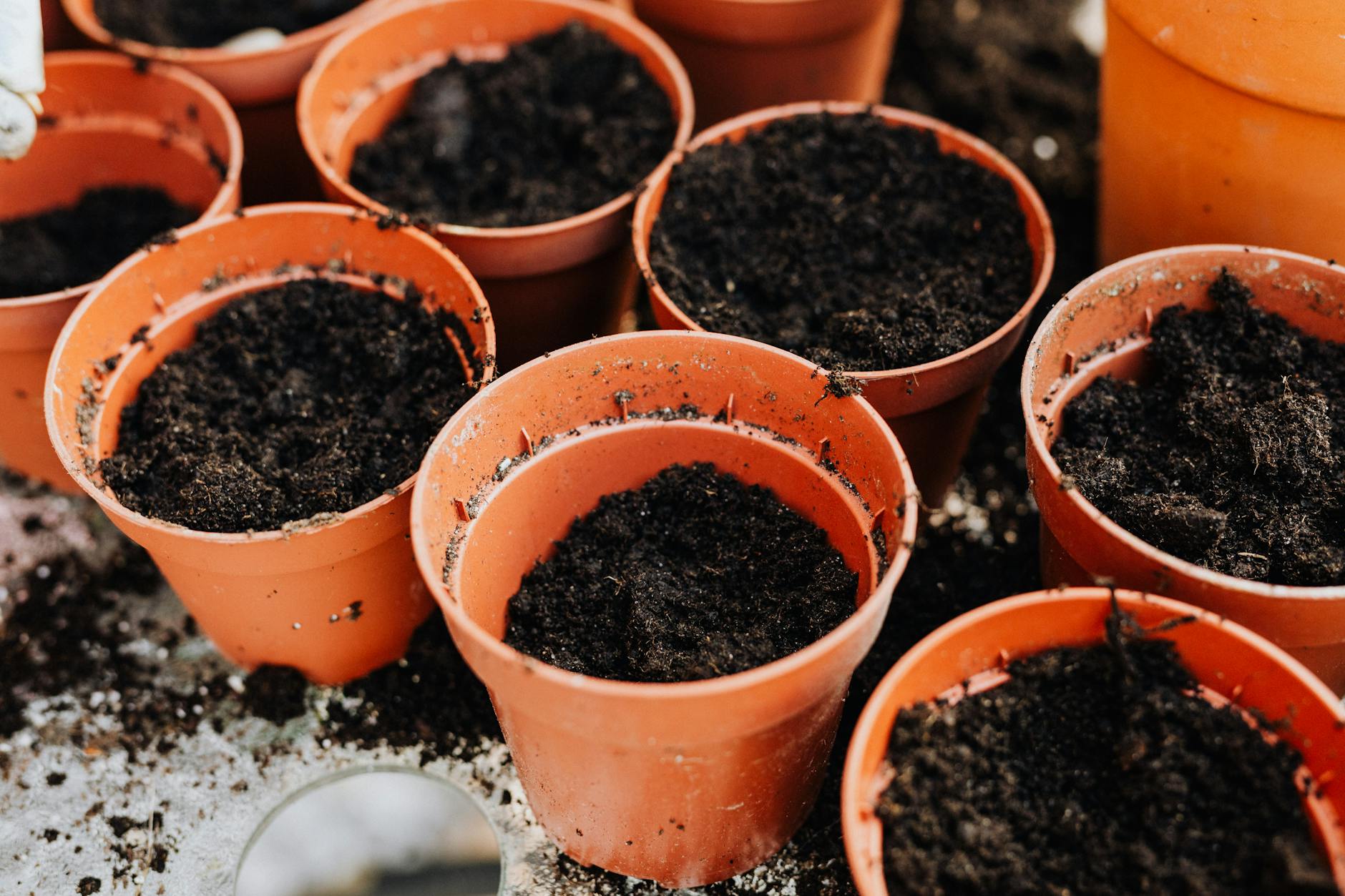
Soil composition directly influences water dynamics. Standard garden soil, designed for deep root penetration, compacts too easily when confined to a pot. For optimal container gardening urban performance, we must engineer lightweight, porous growing media. A successful mix typically integrates components like perlite or pumice to increase aeration, ensuring that air pockets exist between soil particles, allowing oxygen to reach the roots efficiently. We found that incorporating compost significantly enhances the water-holding capacity while maintaining necessary porosity, creating a medium that balances moisture retention and aeration effectively.
Water Management: The Hydrological Challenge
Watering in containers operates on a different principle than traditional watering methods. Because the soil volume is small, evaporative loss occurs at an accelerated rate, demanding more frequent attention from the gardener. We must assess the soil moisture content before initiating any irrigation cycle. Simply watering on a fixed schedule often leads to over- or under-watering depending on external variables like ambient temperature and container material.
Monitoring soil moisture requires moving beyond visual estimation. Introducing simple moisture meters provides quantitative data, allowing us to understand the actual water tension within the substrate. When roots experience fluctuating moisture levels, they exhibit stress responses that manifest as stunted growth or susceptibility to pests. Understanding this feedback loop is central to maintaining a thriving urban garden.
Mitigating Pathogens in Confined Spaces
The high density of plant matter and confined soil volumes create an environment ripe for pathogen proliferation. When water remains stagnant against damp soil surfaces, the conditions become ideal for fungal and bacterial growth. Observing outbreaks of powdery mildew or root rot frequently points back to poor air circulation and excess moisture retention within the container system itself.
Effective Fungus Mold Control in Small Urban Gardens relies on preventative measures woven into the design process. Ensuring excellent drainage prevents the constant saturation that encourages mold spores. Promoting airflow around the foliage allows surface moisture to evaporate quickly, interrupting the moist conditions necessary for fungal colonization. Regular inspection of the soil surface and plant stems helps detect nascent issues before they become systemic problems requiring intensive treatment.
Maximizing Space Through Vertical Strategies
When horizontal space becomes severely constrained—a common scenario on balconies or small patios—the solution shifts vertically. Vertical Gardening: Maximize Yields on Your Balcony transforms a two-dimensional challenge into a three-dimensional opportunity. This strategy allows for increased plant density without increasing the physical footprint on the ground plane, significantly enhancing yield per square meter of available space.
Implementing vertical systems effectively requires careful consideration of weight distribution and water delivery. Whether employing tiered shelving or hanging systems, structural integrity must be assessed, especially when dealing with saturated soil loads. The choice of container size must align with the plant’s mature root system requirements; a sprawling vine demands a larger substrate volume than a compact herb cluster. We see that vertical stacking permits complex ecological layering where plants can access light and air more efficiently, provided the underlying systems manage water distribution equally among all levels.
Final Considerations for Urban Cultivation
Successful container gardening urban is an exercise in applied material science and hydrological awareness. The process demands a shift from passive gardening to active system management. We are not simply placing plants into pots; we are constructing bespoke environments where every component—the pot material, the soil mix, the drainage configuration, and the watering technique—must interact harmoniously to support biological growth. Analyzing these interactions allows the urban gardener to move beyond trial and error toward predictable, high-yield cultivation in any city setting.
Tags: container gardening, urban gardening, potting mix, container gardening tips, city gardening, small space gardening, urban gardening
Featured Image by www.kaboompics.com on Pexels.