
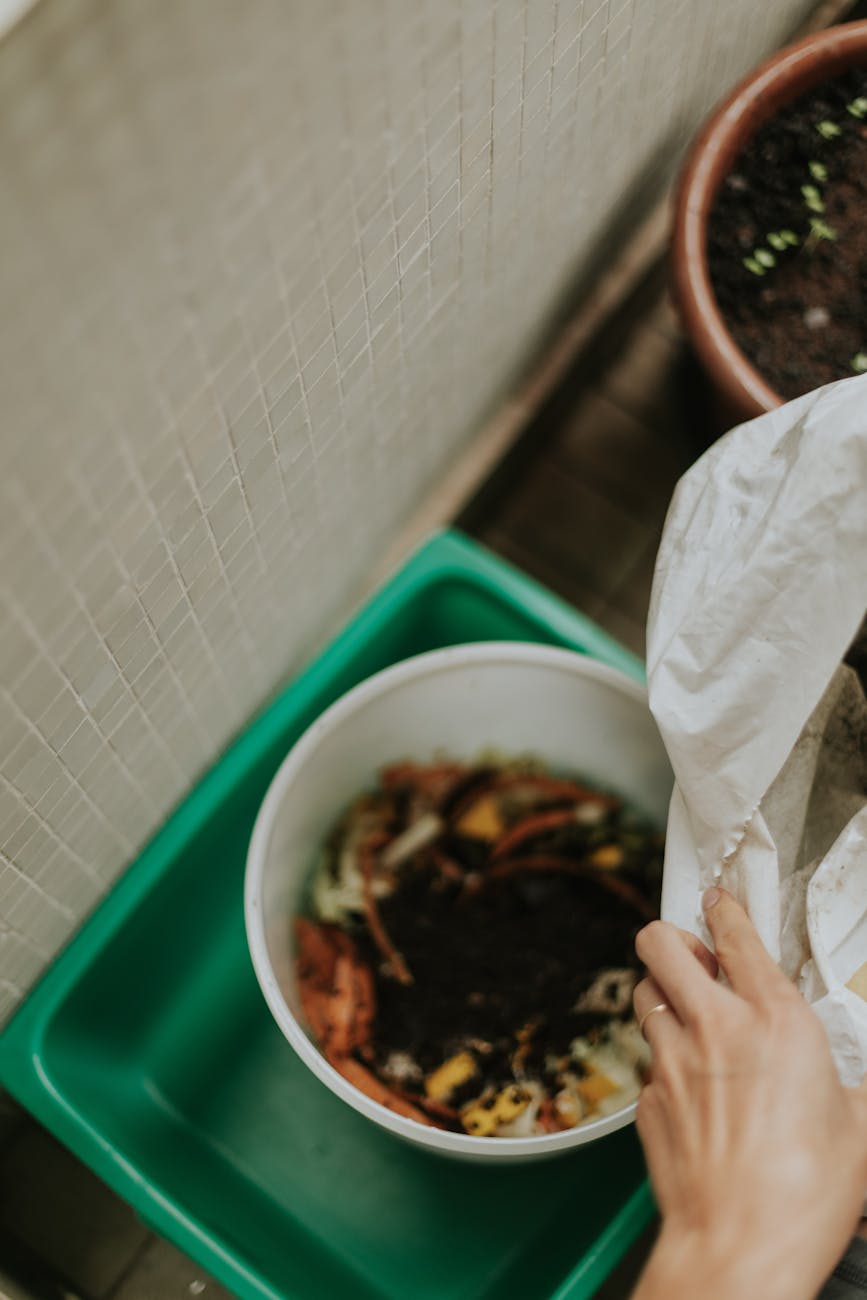
The Mechanics of Vermicomposting for Small Spaces
When considering vermicomposting urban gardening, we are not simply starting a worm bin; we are establishing a closed-loop biological system. This process relies on microbial decomposition, where earthworms consume organic waste and excrete nutrient-dense castings. Understanding this mechanism is the first step toward successful implementation in confined urban environments like balconies or small yards. The goal shifts from simple composting to managing a living bioreactor.
The efficiency of this system hinges entirely on maintaining the correct environmental parameters for the worms, which are highly sensitive organisms. We observe that these invertebrates thrive under specific conditions: consistent moisture levels and stable temperatures. Deviations from optimal ranges cause microbial activity to stall, leading to anaerobic conditions where decomposition becomes slow and inefficient. For instance, if the bedding becomes saturated, oxygen deprivation occurs, shifting the bacterial community toward less desirable, putrefactive processes rather than nutrient cycling.
Establishing Optimal Bioreactor Parameters
To initiate successful vermicomposting in a small footprint, precise environmental control is non-negotiable. Temperature fluctuation directly impacts the worms’ metabolic rate and their feeding behavior. Ideal temperatures for most common composting worms, such as Red Wigglers (Eisenia fetida), generally reside between 55°F and 77°F (13°C and 25°C). Maintaining this thermal stability requires placement away from direct, intense heat sources or cold drafts prevalent on exterior balconies.
Moisture management presents another critical variable we must control. The bedding material needs to be consistently damp, akin to a wrung-out sponge; it should never be waterlogged. Excess free water promotes rapid mold growth and increases the risk of pathogenic fungal infections, especially when dealing with dense organic matter. We see this correlation clearly when people neglect drainage; the resulting saturated substrate creates an environment ripe for issues like Fungal Infections in Small Urban Gardens: Identification & Cure. Proper bedding material—shredded cardboard or coir—acts as a buffer, managing moisture absorption effectively while allowing necessary air pockets to form.
Substrate Selection and Bedding Composition
The foundation of any effective vermicomposting setup is the substrate. This material serves as the worms’ living environment, providing aeration, moisture retention, and microbial habitat simultaneously. We favor shredded, non-glossy materials because they offer a high surface area for microbial colonization while preventing compaction. Cardboard, when properly prepared and shredded, provides excellent structural integrity for the bed.
When setting up systems on balconies, where space is constrained, minimizing bulk becomes paramount. Utilizing layered bedding techniques allows us to maximize volume without sacrificing aeration. We observe that layering coarse, absorbent materials beneath finer bedding enhances drainage capability within a confined container. This careful material selection dictates the rate at which organic matter breaks down and the quality of the final output you harvest.
Feeding Protocols: Balancing Input and Output
The input stream—the kitchen scraps—must be managed carefully to ensure the worms can process it effectively without overwhelming the system. A common mistake is introducing large quantities of high-protein foods or items that cause rapid anaerobic decomposition, such as excessive dairy or oily foods. The worm population must consume material at a rate commensurate with their biomass capacity.
We find that feeding should be gradual; introducing small amounts of food daily allows the microbial community within the bin to adapt incrementally. This slow introduction prevents shock to the worms and minimizes the production of foul-smelling byproducts. Think of the scraps as fuel for the worms, not a sudden dump. Successful vermicomposting urban gardening relies on establishing a sustainable feeding rhythm, where the rate of input matches the system’s biological processing capacity.
Harvesting Castings: The Resulting Nutrient Density
The true value of the vermicomposting process lies in the final product: worm castings. These are not merely compost; they represent highly concentrated, naturally balanced soil amendments rich in humic acids, beneficial bacteria, and essential macro- and micronutrients. Analyzing the composition shows that castings possess a significantly higher concentration of plant-available nitrogen and phosphorus compared to standard compost derived from bulk composting methods.
The physical structure of the castings is also analytically interesting. The fine, granular nature allows for superior water retention while remaining highly porous, which is crucial when these amendments are used in smaller-scale urban applications. When integrating these into container gardening, the enhanced nutrient profile reduces the dependency on external, often chemically intensive, fertilizers.
Integrating Castings into Urban Soil
Using worm castings directly enhances soil structure in small spaces where traditional topsoil might be depleted or poor. We see a tangible improvement in water holding capacity when incorporating high volumes of castings into potting mixes for balcony containers. This improved physical matrix allows roots to explore the substrate more effectively, which is vital given the limited volume available in urban gardening setups.
When dealing with challenging substrates, such as dense concrete or compacted urban soil, amendments derived from vermicomposting offer a superior biological solution compared to simple organic additions alone. For instance, when addressing poor drainage issues in these hard surfaces, incorporating castings helps create an improved medium that supports root establishment, sometimes complementing other solutions like DIY Soil Amendments for Concrete: Urban Gardening Solutions.
Troubleshooting System Performance
Monitoring the system requires observational skills rather than just waiting for a result. Observing worm behavior is key; active, consistent feeding signals a healthy system operating within optimal parameters. If worms become sluggish or cease feeding entirely, we must immediately investigate environmental stress. Low activity often points toward poor aeration or incorrect moisture levels.
If you notice signs of spoilage—excessive slime, foul odor, or rapid breakdown of input materials—the process requires immediate adjustment. This signals an imbalance in the microbial ecosystem. We need to diagnose whether the issue stems from overfeeding, insufficient oxygen, or a pathogenic intrusion. Understanding these early warning signs allows for corrective action before significant nutrient loss occurs.
Scaling Vermicomposting for Urban Density
As urban gardening expands into dense residential areas, scaling vermicomposting requires thinking about vertical integration and maximizing yield from minimal space. While traditional bin setups work well on patios, systems designed for balconies often prioritize compactness and ease of management.
Vertical stacking techniques become highly relevant here. Utilizing tiered containers or specialized vertical worm towers allows gardeners to increase the total biomass processing capacity without increasing the horizontal footprint significantly. This strategy optimizes the utilization of limited balcony real estate. The efficiency gain comes from maximizing the surface area where biological activity can occur, directly enhancing the output per square foot.
The knowledge gained from managing a small-scale vermicomposting system translates directly into understanding microbial ecology in dense environments. Understanding how waste is transformed into usable resource demonstrates a profound connection between waste management and sustainable urban food production. This holistic view supports resilience within small urban gardening projects.
Tags: vermicomposting, urban gardening, worm farm, balcony composting, small yard composting, composting for beginners, indoor composting
Featured Image by Letícia Alvares on Pexels.