
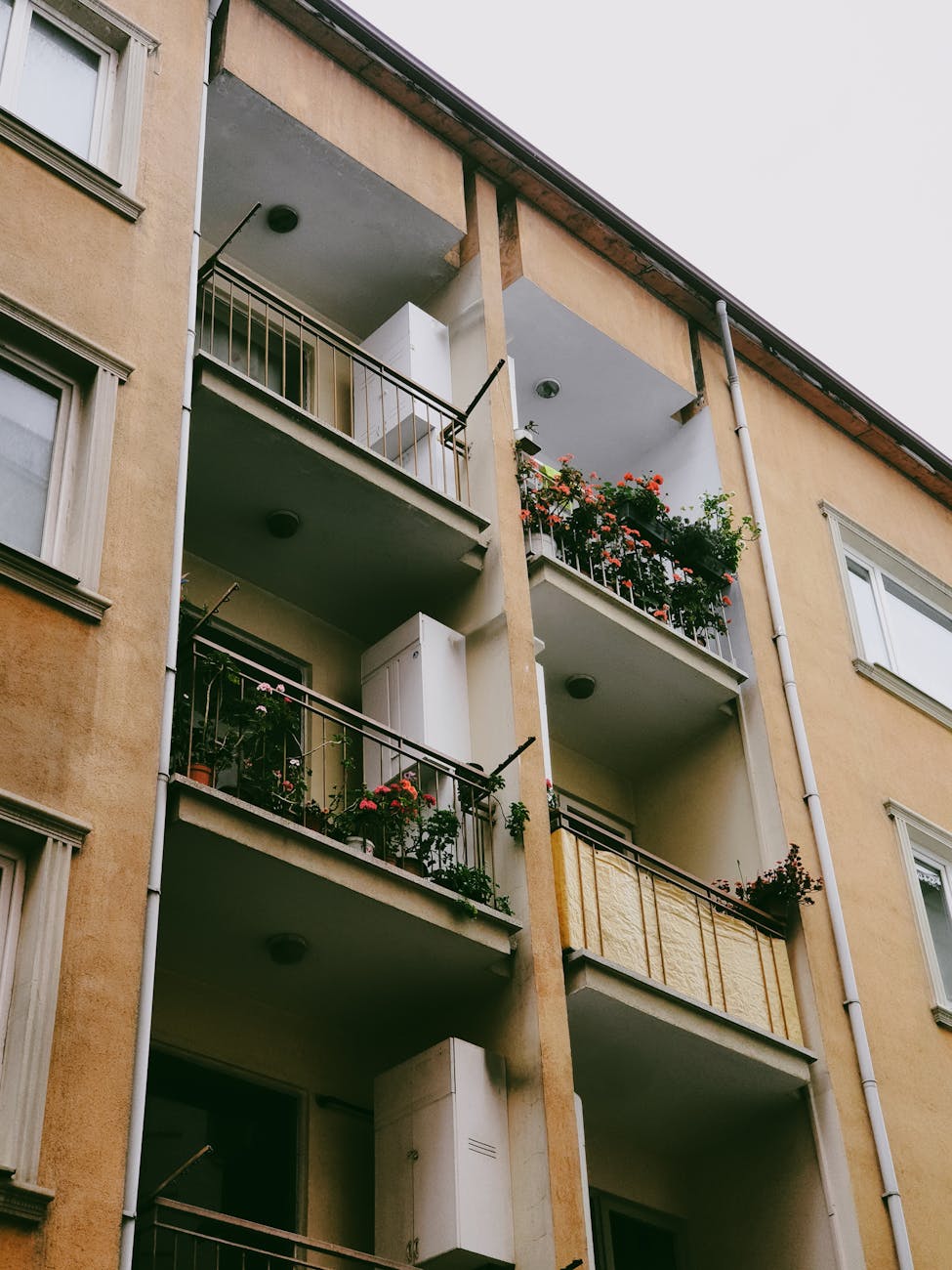
Engineering Yields: Mastering Vertical Gardening in Constrained Environments
The reality of urban living often dictates severe spatial constraints; balconies, patios, and even narrow interior walls present limited horizontal real estate for cultivation. This physical limitation forces a shift in horticultural strategy. We observe that maximizing food production in these small urban spaces necessitates moving beyond traditional row planting and adopting vertical gardening methods. This approach fundamentally restructures how we manage light exposure, water retention, and nutrient delivery across confined surfaces. The mechanism of vertical gardening is simple: by utilizing the three-dimensional space available, we exponentially increase the surface area available for plant growth relative to the footprint consumed on the floor.
This architectural change allows growers to stack plants vertically, optimizing sunlight capture and minimizing wasted space. Consider the implications for light; plants positioned higher receive less direct shading from surrounding structures or neighboring buildings, which can be a significant advantage in dense urban settings where sun exposure fluctuates throughout the day. We are essentially engineering micro-environments.
Optimizing Plant Placement for Light Penetration
The primary challenge in vertical setups is ensuring that each tier receives adequate photosynthetic energy. Sunlight intensity varies dramatically based on orientation and surrounding obstructions; this variability demands an analytical approach to layout design. We must map the light profile of our specific balcony or wall over a full diurnal cycle before selecting plant species or arrangement patterns.
Plants require specific photoperiods, and vertical stacking introduces new layers of potential shading that must be accounted for in the planning phase. For instance, placing sun-loving herbs on a lower tier and shade-tolerant greens on a higher one allows us to manage light gradients effectively. This precise placement directly influences the growth rate and overall biomass accumulation observed in practice.
Selecting Appropriate Vertical Systems
The choice of physical structure dictates the feasibility and efficiency of the entire system. Systems range from simple tiered shelving using standard pots to more complex hydroponic or pocket-based systems. Each system operates on distinct principles regarding substrate management and water delivery mechanisms.
Hanging planters, for example, require robust anchoring to manage the dead load of saturated soil and plant mass. We analyze the material science here: the weight capacity of the mounting points must exceed the maximum projected weight, including water saturation, preventing structural failure. Furthermore, the choice between felt, plastic, or reclaimed wood for these structures affects thermal regulation; materials with high thermal mass can absorb and release heat slowly, which impacts root temperature during cooler periods.
Pocket gardening systems, where small fabric or wooden pockets are attached directly to a wall, offer an extremely space-efficient solution. These systems rely heavily on efficient drainage channels built into the structure itself. The design must facilitate rapid water runoff, preventing the creation of stagnant zones where fungal pathogens thrive. We see that the engineering of drainage is as critical as the planting arrangement itself when dealing with confined soil volumes.
Substrate Management in Small-Space Cultivation
When space is severely limited, managing the growing medium becomes a central operational concern. Soil volume is inherently small, meaning nutrient depletion and water stress occur much faster than in ground-level gardening. Therefore, the substrate must be formulated for high efficiency. We cannot afford to waste valuable surface area on poorly aerated or nutrient-poor material.
We must focus intensely on soil composition because it dictates root health and nutrient uptake capacity. When dealing with small volumes, introducing amendments is not optional; it becomes a necessary step in maximizing yield density per cubic inch of medium utilized. For instance, understanding the principles of soil chemistry allows us to adjust pH levels precisely. Deviations can lock up essential micronutrients, regardless of how much fertilizer is applied externally. Research into balancing urban soil pH provides actionable data for optimizing nutrient bioavailability within these small containers.
Nutrient Delivery Mechanisms
In vertical setups, gravity assists in water distribution, but ensuring uniform moisture delivery across multiple tiers requires deliberate design. Overwatering a lower tier can lead to root rot that compromises the entire structure, a critical failure mode we must avoid. Systems employing self-watering reservoirs or drip irrigation channels are superior because they create a controlled, consistent moisture supply directly to the root zone.
The flow dynamics of water must be carefully calculated based on the density of the plants and the porosity of the chosen growing medium. Water moves differently through dense, tightly packed soil versus looser, more aerated mixes. This necessitates monitoring the substrate’s capacity to hold water versus its capacity to absorb it. We see that systems incorporating inert media or specialized growing substrates often outperform traditional potting mixes in terms of yield per unit volume when maximizing vertical density.
Maximizing Yield Through Strategic Plant Pairing
Achieving high yields on a small balcony demands not just efficient physical arrangement but intelligent biological planning among the chosen crops. Companion planting is an ancient practice that has modern scientific backing regarding symbiotic resource sharing and pest management within confined ecosystems. When designing a vertical garden, we should select pairings based on their specific growth habits and nutrient demands to ensure mutual benefit rather than competitive stress.
For example, positioning tall, vining plants strategically can provide necessary structural support for shorter herbs or leafy greens placed adjacent to them. Understanding the interaction between different plant families allows us to manage light competition effectively across the vertical plane. Exploring companion planting strategies demonstrates how intercropping can increase overall biomass density by utilizing the vertical space more completely, pushing the limits of what the small area can produce.
The process involves iterative testing: observe how plants interact under the specific light conditions, measure the resulting yields, and adjust the layout for the next cycle. This analytical feedback loop transforms gardening from mere planting into applied environmental engineering. The goal is not just to grow food, but to engineer a high-density, self-sustaining micro-farm within the constraints of the urban environment.
Tags: vertical gardening, small space gardening, balcony gardening, hanging planters, urban gardening, container gardening, apartment gardening
Featured Image by Ece Ebrar TOYCU on Pexels.