
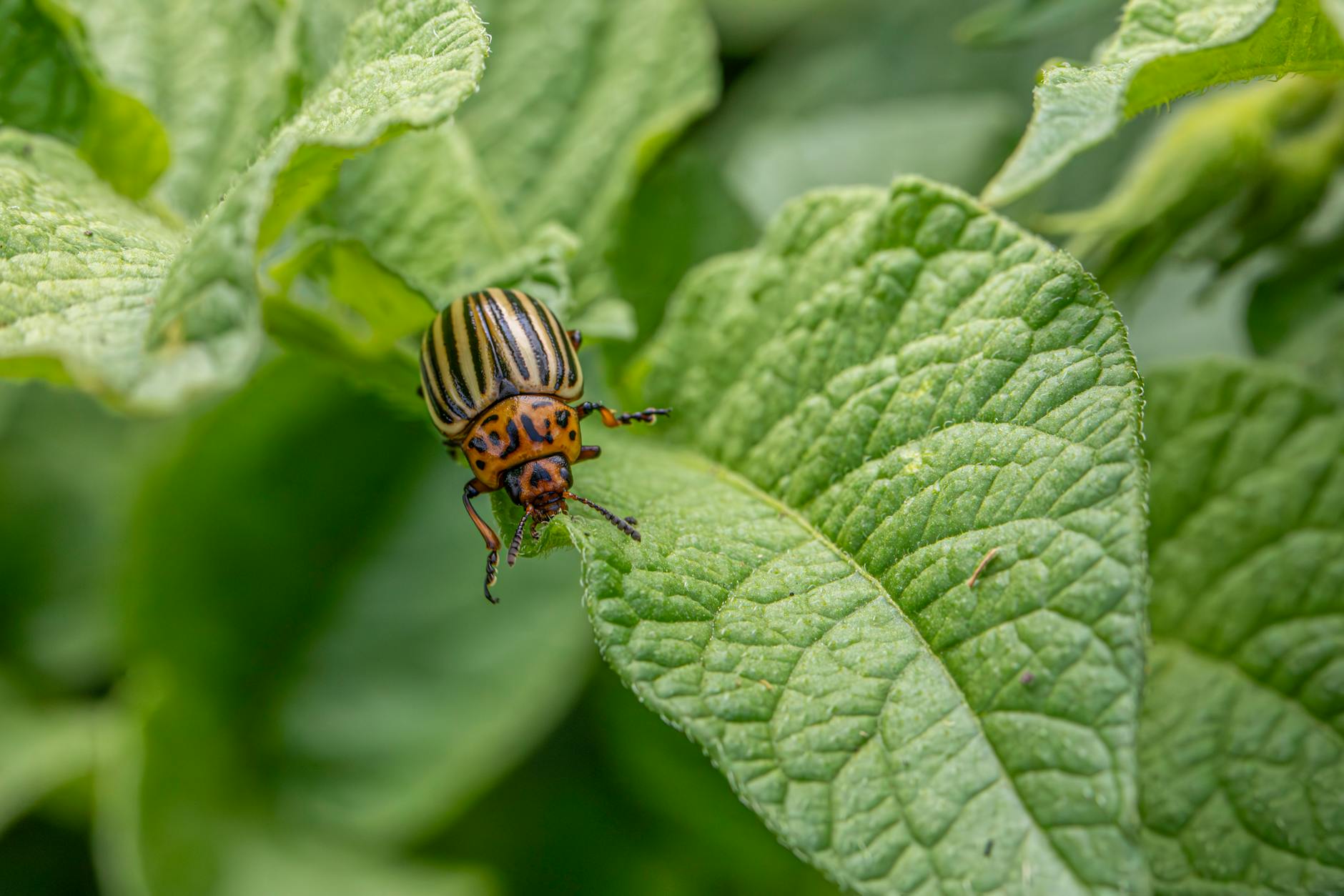
Mastering Organic Pest Control for Urban Gardening
Growing edibles in confined urban spaces presents unique challenges. Pests thrive in these dense environments, and conventional chemical interventions often introduce secondary ecological damage to the very micro-ecosystem we seek to cultivate. Therefore, understanding the specific biological pressures within an urban garden dictates a highly targeted approach to organic pest control urban gardening. We must shift our focus from broad-spectrum toxicity to targeted biological disruption.
The goal here is not eradication through brute force, but establishing an imbalance that favors the beneficial insects while systematically suppressing the damaging populations of common urban nuisances like aphids, whiteflies, and spider mites. This requires an analytical assessment of the pest lifecycle within your specific garden context. We observe that successful organic management hinges on identifying the precise biological mechanism each pest utilizes for feeding and reproduction.
Understanding Urban Pest Ecology
Urban environments often exhibit higher pest densities because they provide concentrated food sources and sheltered microclimates. Pests move between various habitats, making systemic control essential rather than reactive spot treatments. For instance, an aphid infestation is rarely isolated; it establishes itself on multiple host plants simultaneously. This necessitates a proactive strategy targeting the entire infestation zone.
We examine how different pests interact with plant tissues. Aphids excrete sticky honeydew, which fosters the growth of sooty mold, a secondary biological issue that traps moisture and further stresses the foliage. Spider mites, for example, consume cell contents directly, leading to stippling and eventual chlorosis of the leaves. Recognizing these physical and chemical symptoms allows us to diagnose the infestation’s severity before initiating treatment protocols.
The mechanism of action for organic solutions relies on disrupting these biological cycles using naturally occurring antagonists or repellent agents. We are not introducing synthetic toxins; we are manipulating the natural equilibrium. This requires knowledge about predator-prey dynamics in a small-scale setting.
Homemade Repellents and Deterrents
Creating effective homemade sprays involves leveraging potent, readily available materials to create physical barriers or direct repellents that interfere with pest sensory systems. Essential oils represent one powerful avenue for this manipulation. Certain terpenes found in essential oils possess strong volatile organic compounds that can disrupt insect navigation and feeding behaviors.
For example, mixtures incorporating rosemary, peppermint, or garlic oil demonstrate efficacy against many soft-bodied insects. The high concentration of these volatile compounds creates an aversive boundary layer around the foliage. We must ensure proper dilution; applying undiluted essential oils poses a risk to beneficial insects and plant tissues. A common ratio involves mixing the essential oil with a mild, biodegradable surfactant, such as a small amount of pure castile soap, which aids in the contact action of the spray onto the pest cuticle.
Another effective physical deterrent involves creating barriers. Wrapping susceptible plants with fine-mesh netting acts as a physical exclusion mechanism, preventing direct contact for crawling insects like spider mites. This method is particularly useful when managing infestations on delicate foliage where chemical contact must be entirely avoided. We find that this mechanical barrier significantly reduces the overall pest load over time, reducing the need for repeated intervention.
Utilizing Botanical Controls and Insecticidal Preparations
Beyond repellents, we explore botanical compounds known to exhibit fungicidal or insecticidal properties. Neem oil stands out as a widely researched natural agent in organic gardening practice. Its primary mechanism involves interfering with the pest’s endocrine system and feeding apparatus, effectively acting as an anti-feedant rather than a broad poison. When applied correctly, it disrupts the life cycle progression of many soft-bodied pests.
When formulating neem-based solutions, consistency is paramount. We observe that the efficacy scales directly with the proper emulsification of the active ingredients within the water base. In practice, a solution needs sufficient surface tension modulation to spread effectively across the target pest surfaces. Testing small areas first allows us to calibrate the concentration needed for optimal biological impact without causing phytotoxicity to the plants themselves.
Garlic and chili pepper preparations offer another layer of defense through strong olfactory signaling. The sulfur compounds released by these alliums act as potent repellents, discouraging pests from settling in high numbers. This appeals directly to their sensory input system, creating an immediate aversion to the treated area. We see this strategy works well against general foraging insects moving across the garden space.
Establishing a Healthy Foundation for Pest Resistance
The most sustainable method for managing pest pressure stems from strengthening the plant’s inherent resilience. A stressed plant is an easy target; a robust plant naturally deters infestation. This starts at the root level, demanding attention to soil health. We cannot expect strong plant defenses if the nutrient uptake mechanism is compromised.
Analyzing the substrate composition provides crucial insight into how plants manage environmental stress. When soil structure is poor or nutrient availability fluctuates erratically, the plant diverts energy away from defense mechanisms toward basic survival and nutrient acquisition. Therefore, amending the soil directly impacts the plant’s ability to mount a chemical or physical defense against external threats. We strongly recommend assessing your current growing medium and implementing appropriate amendments. Consider testing your soil structure before introducing intensive cultivation practices; understanding these baseline metrics is the first step in building robust, naturally defended urban food sources. For optimal results in container settings, selecting the correct substrate mixture becomes vital to ensuring consistent water retention and nutrient delivery for vigorous growth.
Integrating Biological Controls into Urban Systems
A sophisticated approach integrates chemical deterrence with biological augmentation. Introducing beneficial predatory insects allows the garden ecosystem to manage pest populations autonomously. This shifts the dynamic from constant manual intervention to a self-regulating system, which is the ultimate objective of sustainable organic pest control urban gardening.
Ladybugs, lacewings, and parasitic wasps are effective natural regulators. These predators consume the pest populations directly, reducing the need for continuous spraying. Introducing these organisms requires careful selection; we must ensure that the introduced beneficials are compatible with the specific pests present and the local environment. Observing the presence of these natural controllers signals a healthy biological activity within the garden space. We analyze how to introduce them safely, often by creating small, undisturbed habitats—such as planting flowering companion plants that attract these beneficial hunters.
This integration demands patience. Establishing a thriving population of beneficial predators takes time and observation. Initial observations might show a slight increase in pest numbers before the natural controls fully establish their dominance. This phase requires monitoring the entire trophic level rather than focusing solely on the target pest count. We are observing a shift in ecological roles occurring within the small urban ecosystem we manage daily.
The success of this approach relies on understanding cause and effect across multiple scales: plant health influences insect behavior, which in turn affects the overall population density, all mediated by soil quality and environmental factors. By applying targeted, knowledge-based interventions—using repellent compounds judiciously, reinforcing soil structure, and encouraging natural predators—we move beyond merely suppressing pests toward cultivating an inherently resistant and balanced urban garden environment.
Tags: urban gardening, organic pest control, homemade sprays, garden pests, natural gardening, pest traps, small space gardening
Featured Image by Erik Karits on Pexels.