
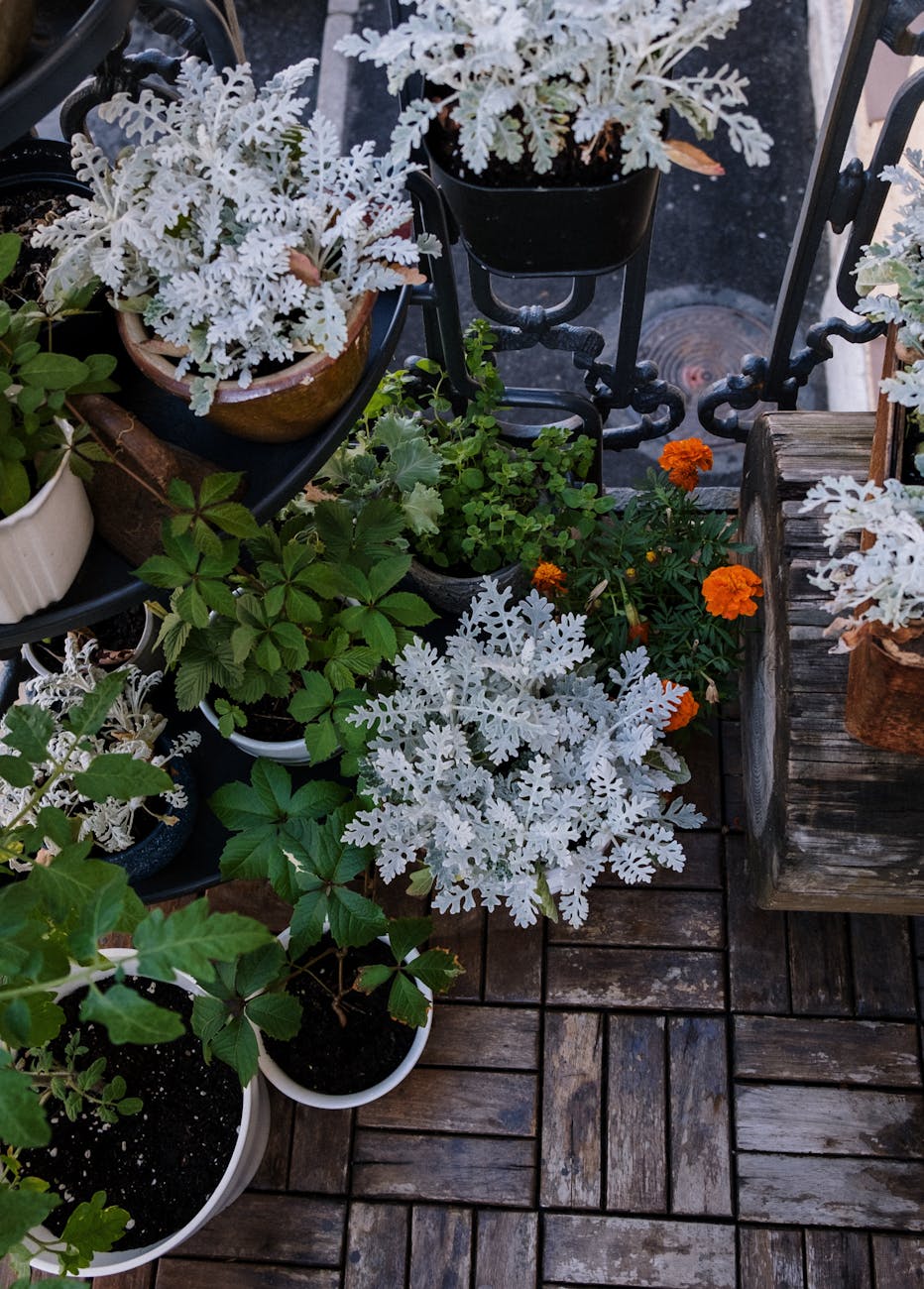
The Mechanics of Container Selection for Urban Blooms
Selecting the correct vessel is not merely a matter of aesthetics; it is the fundamental engineering decision that dictates the success of your container gardening urban flowers. We are dealing with a system where roots interact directly with a finite substrate, meaning the container acts as the primary interface between the plant and the external environment. Ignoring this physical relationship introduces systemic vulnerabilities that inevitably manifest as stunted growth or root rot.
We observe from the data that material selection fundamentally governs water retention rates and oxygen diffusion within the root zone. A poorly chosen pot can create a hostile microenvironment, regardless of how rich your soil amendments are. Understanding this physical constraint shifts the focus from simply buying a pretty pot to selecting a functional piece of horticultural equipment designed for specific biological processes.
Material Science: Assessing Water Dynamics
The choice between terracotta, plastic, ceramic, and wood dictates how water moves through the system. Terracotta, for instance, is porous; it allows water to wick away into the material itself, which can be beneficial in arid conditions but introduces a significant risk of rapid desiccation if the soil dries too quickly. Conversely, high-density plastic offers superior moisture retention capabilities, buffering against the rapid evaporation common in exposed urban settings.
Ceramic and glazed options present a middle ground, balancing porosity with structural integrity. When analyzing drainage mechanisms, we must consider the interplay between the pot’s material permeability and the substrate’s porosity. A dense ceramic pot necessitates meticulous attention to bottom drainage layers, as excess water pooling at the base can quickly lead to anaerobic conditions, which inhibit root respiration.
Plastic containers are highly functional for maximizing water retention; they manage moisture levels effectively, reducing the frequency of watering cycles needed in high-stress urban environments. However, their thermal properties also warrant consideration because they can exacerbate soil temperature fluctuations. We must calibrate our selection based on the specific needs of the plant species we intend to cultivate; a thirsty annual requires different hydrological management than a drought-tolerant perennial.
Drainage Systems: The Non-Negotiable Requirement
The single most critical mechanical aspect of container gardening is establishing an unimpeded drainage pathway. If water cannot exit the system efficiently, root suffocation becomes an inevitable outcome within a short timeframe. This necessitates that every vessel you select possesses adequate perforations. We look for holes large enough to allow free passage, yet small enough to prevent catastrophic substrate loss.
When setting up container arrangements, we often integrate these pots into larger vertical systems, such as those utilizing Vertical Gardening: Maximize Yields with Living Walls & Trellises. In these integrated setups, the drainage profile of each pot must interface correctly with the surrounding structure to ensure that water flows down and does not stagnate against structural elements or other containers. Poor drainage here creates cascading failures across the entire installation.
Sizing Protocols: Root Space Allocation
The volume of soil available directly correlates with the potential for root development and nutrient exchange. Overcrowding roots forces them into a constricted geometry, inhibiting their ability to explore the substrate effectively. This restriction limits nutrient uptake and water absorption rates significantly. We must calculate the required root ball size before selecting the pot diameter.
For shallow-rooted plants, such as herbs or many annual flowers, a container depth of at least six inches provides sufficient anchorage for healthy development. However, deeper-rooted specimens, like certain tomatoes or peppers intended for substantial yields, require significantly larger vessels to accommodate the necessary biomass and root expansion over the growing season. We observe that scaling up the pot size is often more beneficial than simply adding more soil; it allows the plant’s inherent growth architecture to express itself optimally within the container boundaries.
Surface Area and Light Penetration
The physical dimensions of the container also influence light exposure, which is another variable in our equation for successful urban flower cultivation. Larger surface areas allow for a greater volume of soil, which indirectly supports deeper root systems that can better access moisture and nutrients across the entire volume. Conversely, small pots restrict the overall capacity for water storage during peak dry spells.
When placing containers on balconies or patios, we must account for direct solar exposure patterns throughout the day. The material color also plays a role in thermal absorption; dark-colored pots absorb more solar radiation, potentially increasing the root zone temperature during intense midday sun, a factor that requires careful monitoring, especially when dealing with sensitive plant varieties.
Soil Interface: Preparing the Medium for Urban Growth
The container is only one component of the gardening equation; the medium filling it must also be engineered for urban resilience. Standard garden soil, when confined in a pot, often compacts too readily, creating an impermeable barrier between the roots and the air pockets necessary for gas exchange. This demands a specialized substrate composition.
We find that incorporating substantial amounts of inorganic material—such as perlite, coarse sand, or expanded shale—into your potting mix dramatically increases the porosity of the entire medium. This aeration mechanism ensures that oxygen can diffuse to the root hairs efficiently, mitigating the risk of root asphyxiation that plagues densely planted urban systems. When amending your soil for city growers, testing and subsequent amendment protocols become essential steps in ensuring this mechanical functionality is achieved.
The substrate must facilitate water movement without becoming saturated and yet retain enough moisture to sustain growth between irrigation events. We are optimizing the physical properties of the medium so that it functions as an effective reservoir while remaining highly breathable. This preparation phase is where we establish the foundation for sustained container gardening urban flowers.
Tags: container gardening, urban gardening, flower pots, pot selection, container gardening tips, small space gardening, urban flowers
Featured Image by cottonbro studio on Pexels.