
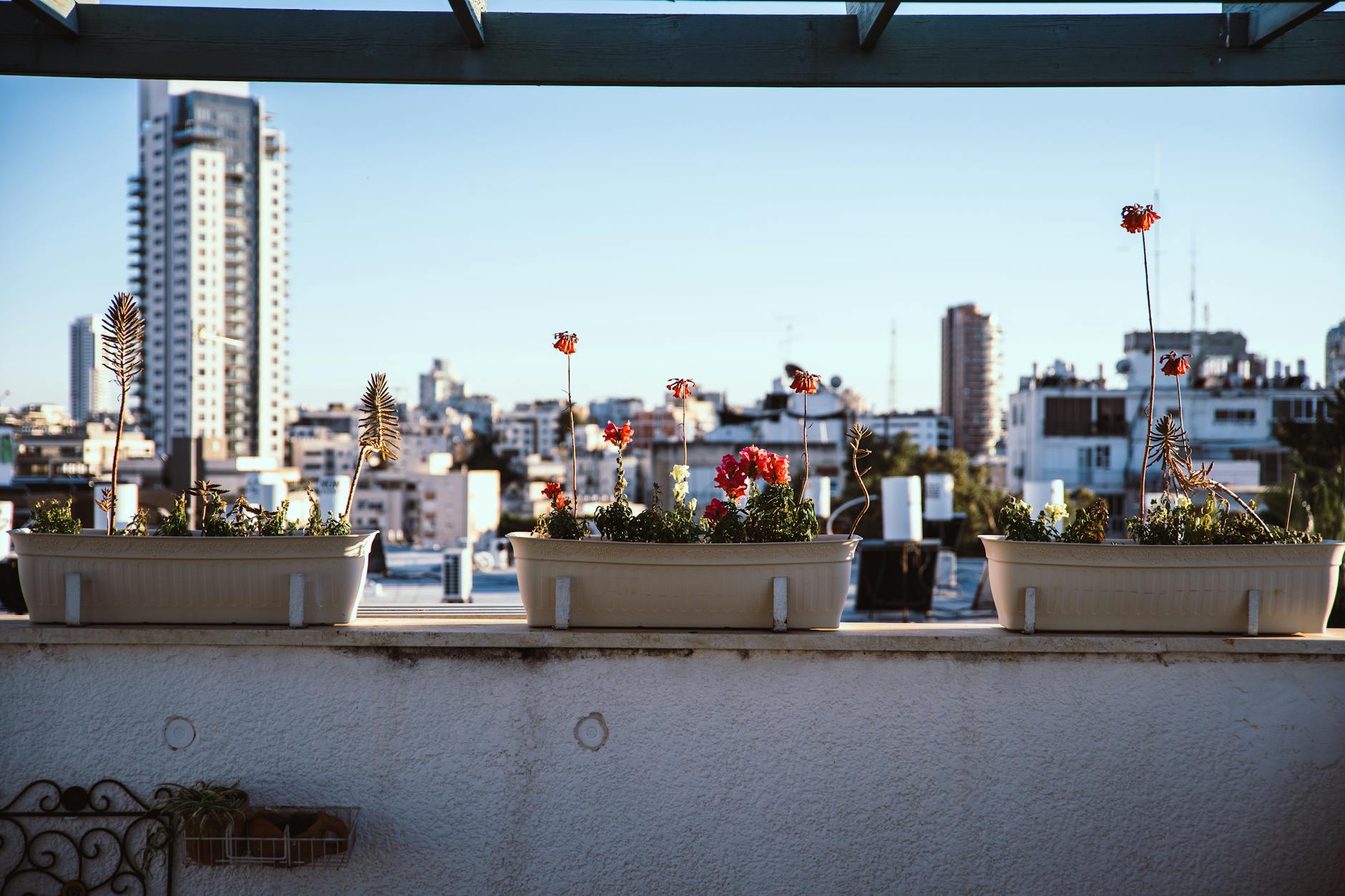
Optimizing Container Gardening for Urban Environments
Growing food in a confined urban space presents unique logistical challenges. We observe that success in this domain hinges not merely on planting seeds, but on mastering the physical constraints of the container itself and the substrate it supports. Container gardening urban systems demand a specialized approach because they integrate horticulture with architectural limitations. Understanding the mechanics of water retention, root respiration, and nutrient availability within a vessel is paramount for achieving robust yields.
Selecting the Optimal Pot Material and Geometry
The material selection dictates the long-term performance of any container system. Terracotta, for instance, possesses high porosity, allowing for rapid evaporative cooling but demanding more frequent watering cycles because it facilitates quicker moisture loss from the soil matrix. Conversely, plastic containers offer excellent water retention capabilities, which can be beneficial in drier urban microclimates, though one must monitor drainage carefully to prevent anaerobic conditions around the roots. We need to analyze the material’s thermal mass and its interaction with ambient city temperatures before making a decision.
Clay-based materials require specific soil formulations because they absorb moisture unevenly, creating localized dry spots that stress plant roots. Ceramic offers a balance, but proper drainage holes are non-negotiable for managing excess water flow effectively. When designing a system, geometry matters immensely; deeper pots allow for larger root systems and greater water reserves, which is critical for larger plants, yet this directly conflicts with space constraints on balconies or patios.
We often see urban gardeners experimenting with recycled materials. Repurposed food-grade plastic containers, when properly sized and vented, become viable options for maximizing limited vertical space. The key mechanism here is controlling the interface between the potting medium and the container walls. This interface must allow for sufficient air exchange to prevent root suffocation, a common pitfall in densely packed setups.
Mastering Substrate Composition: The Foundation of Growth
The soil or growing medium is not inert filler; it functions as the entire hydrological and nutritional system for the plant. Standard garden soil contains excessive organic matter and aggregates that compact under container conditions, impeding aeration and water penetration. For effective container gardening urban endeavors, we must engineer a lightweight, highly aerated substrate.
We observe that a successful mix balances structure, water retention capacity, and porosity simultaneously. A typical high-performing mix incorporates materials like perlite or coarse vermiculite to create air pockets within the medium. This aeration is vital because roots require oxygen for cellular respiration; insufficient oxygen leads to root rot and stunted growth. Organic matter, derived from compost, supplies slow-release nutrients that feed the plant over time.
Analyzing substrate ratios is a practical exercise in material science. A good starting point often involves a base of high-quality potting mix, augmented by inorganic amendments to improve drainage and aeration rates. We are aiming for a medium that feels light and drains rapidly, preventing saturation while still holding adequate moisture for sustained hydration between waterings. This careful formulation directly influences the plant’s ability to manage water stress common in container gardening urban settings.
Implementing Effective Drainage and Watering Protocols
Poor drainage is perhaps the most frequent cause of failure in container gardening. When water cannot escape the root zone efficiently, the soil becomes saturated, creating an environment ripe for fungal pathogens and root decay. The physical mechanism of gravity must be leveraged effectively when setting up systems. Every container requires an adequate drainage aperture, whether drilled or naturally present.
When implementing watering schedules, we shift from time-based routines to moisture-based assessments. Instead of watering every Tuesday, we monitor the substrate’s moisture content. A simple test involves inserting a moisture meter or feeling the soil several inches down. When the substrate is dry to a specific depth, then irrigation commences. This practice ensures that water delivery targets the root zone directly without over-saturating the surrounding medium.
The method of application also changes based on the container type. Containers with small drainage holes necessitate more precise watering, as excessive volume will immediately exit the system. Larger containers allow for deeper saturation, but this necessitates a correspondingly richer soil mix to manage the increased water volume effectively across the entire root mass. This differential response demands tailored protocols.
Managing Urban Microclimates and Environmental Stressors
The urban environment introduces specific stresses that must be accounted for in container gardening urban practices. Exposed balconies experience intense solar radiation and rapid temperature fluctuations that can significantly accelerate evapotranspiration rates from the soil surface. Plants in these exposed positions require a substrate formulation that buffers against this thermal stress.
We must assess light exposure meticulously. A spot receiving intense midday sun demands a faster-draining, heat-tolerant medium to prevent waterlogging during peak heating periods. Shaded areas benefit from slightly more moisture retention but still require excellent drainage to avoid stagnant water pooling at the base of the plant stem. Understanding how sunlight intensity modulates soil temperature dictates the necessary substrate composition for optimal root health.
Pest and disease management in container setups often correlates directly with environmental stress. Stressed plants are inherently more susceptible to infestation. For instance, when plants experience inconsistent watering or poor air circulation due to overly dense planting, their natural defenses weaken, making them vulnerable targets for pests like aphids. Implementing strong, healthy root systems through correct substrate and drainage acts as a primary preventative measure against many common issues. Successful management often involves integrated strategies, such as understanding the lifecycle of pests alongside maintaining optimal growing conditions.
Scaling Up: Vertical Strategies in Small Spaces
When horizontal space is severely limited, the spatial strategy must pivot to vertical integration. Utilizing vertical gardening techniques allows gardeners to exploit the three-dimensional potential of small urban environments. Systems that stack plants or utilize wall space effectively transform neglected areas into productive zones. Vertical gardening: Creative Ways to Maximize Small Balcony Space demonstrates how plant density can be managed efficiently when space is constrained horizontally. This approach requires careful consideration of container weight distribution and ensuring that the vertical structure does not impede necessary air flow across all levels.
This transition from flat cultivation to vertical systems changes the hydrological demands. In a vertically oriented setup, water delivery must account for gravity’s influence on runoff and pooling between tiers. Each tier must be assessed individually regarding its capacity to manage moisture, reinforcing the need for highly specific, localized substrate management at every level of the arrangement.
By applying these principles—understanding material science, engineering the soil matrix, controlling hydrology, and adapting spatial strategy—container gardening urban transforms from a hobby into a predictable, resilient system capable of thriving amidst the complexities of city living.
Tags: container gardening, urban gardening, potting mix, container gardening tips, city gardening, urban farming, soil mix
Featured Image by aner tau on Pexels.