
Maximizing Yield Through Symbiotic Plant Interactions
When managing limited space on a balcony or small urban plot, maximizing every square inch becomes a critical engineering challenge. We are not simply placing plants next to each other; we are manipulating the microclimate of the growing area to promote resource efficiency and pest resistance. Understanding companion planting urban vegetables moves beyond simple aesthetic arrangement into the realm of ecological synergy. Plants do not exist in isolation; they engage in biochemical interactions that directly influence growth rates, nutrient uptake, and defense mechanisms within the soil matrix.
We observe from the data that strategic placement dictates the success rate of high-density cultivation. Certain plant pairings create a functional ecosystem where one species provides a physiological benefit to another, leading to increased biomass production. This mechanism relies on manipulating volatile organic compounds (VOCs) released by the foliage and root systems, which then act as signaling molecules for neighboring plants. For instance, certain herbs release specific terpenes that can deter common garden pests from establishing themselves near more vulnerable vegetable crops.
The Mechanism of Beneficial Plant Pairing
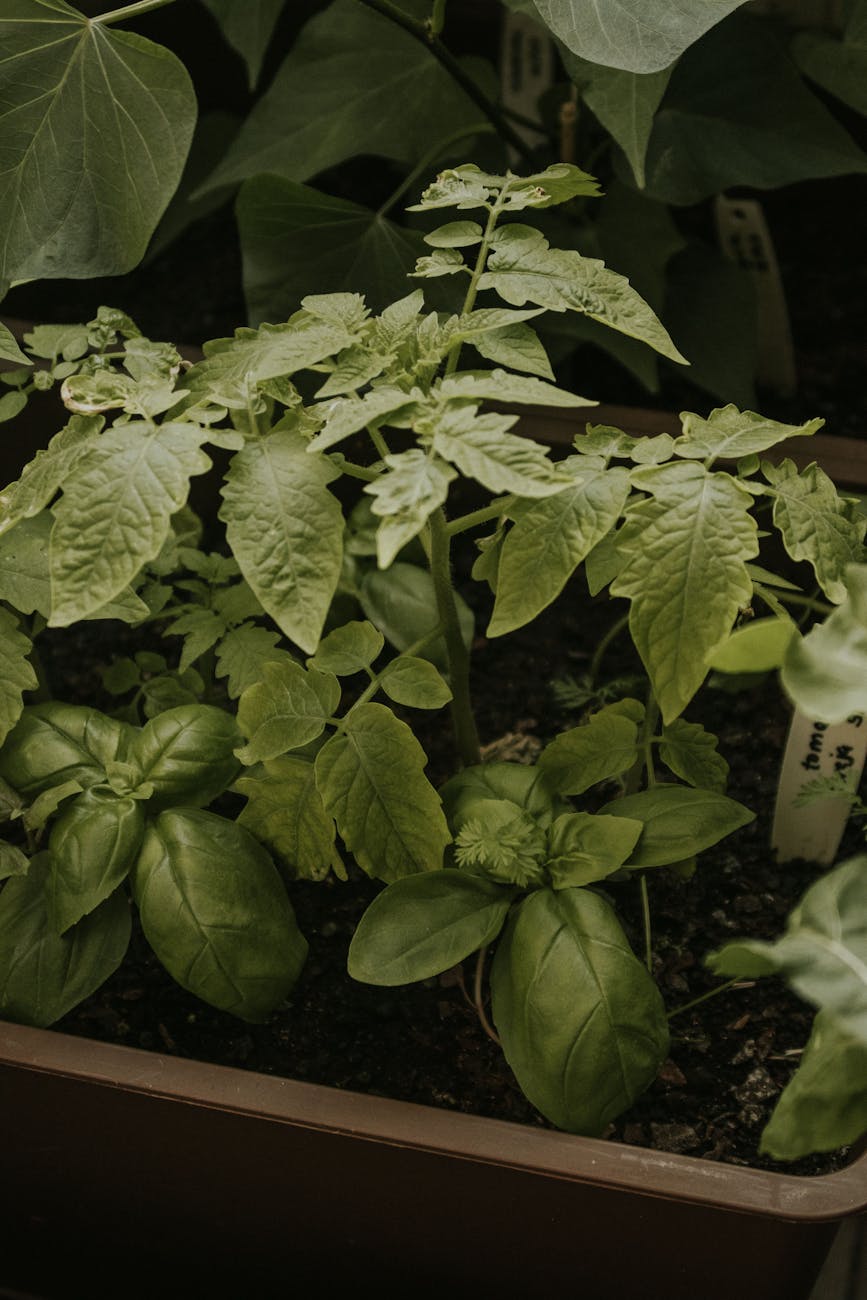
The core principle behind effective companion planting involves exploiting these chemical communication pathways. Consider the classic example of placing basil near tomatoes. Basil, with its strong aromatic profile, appears to interfere with the olfactory signals that attract certain tomato-damaging insects, effectively acting as a natural repellent. This interaction reduces the need for external intervention, which is highly desirable in confined urban settings where chemical sprays are often restricted or undesirable.
We look at the nutritional exchange as well. Plants with different root structures and nutrient demands can share resources more efficiently than monocultures. Deep-rooted plants stabilize the soil structure, improving water retention, while shallow-rooted companions can access surface moisture more readily. This interconnectedness is a fundamental mechanism we exploit when designing small-scale systems.
Selecting Compatible Combinations for Balcony Environments
Choosing which species to integrate depends entirely on the specific environmental constraints of your balcony—sun exposure, wind patterns, and available substrate depth. A plant combination suited for a south-facing, windy balcony will perform very differently than one chosen for a shaded, sheltered nook.
When assessing potential pairings, we must account for light requirements alongside chemical interaction. Tomatoes and beans form a well-documented symbiotic relationship; the beans provide essential nitrogen fixation through root nodules, directly supplying this crucial macronutrient to the heavier-feeding tomato plants. This natural nitrogen cycling drastically reduces the need for external fertilizer input for the beans, streamlining resource management.
We also see strong results when integrating culinary herbs with vegetables. Mint, for example, can be surprisingly effective in repelling aphids when planted adjacent to leafy greens, although its vigorous growth necessitates container management. Chives and carrots offer a simple demonstration of below-ground synergy; chives’ allelopathic properties can help manage shallow root competition near the carrots.
Optimizing Space Through Vertical Strategies
When horizontal space is severely limited, the strategy pivots toward vertical utilization, which intrinsically enhances companion planting potential. Implementing vertical gardening systems transforms a flat plane into a multi-tiered ecological zone. Utilizing structures like living walls or trellises allows us to stack layers of cultivation, mimicking the density found in natural ecosystems while minimizing ground footprint.
Vertical arrangements allow plants to access different light spectra and manage airflow more effectively across the entire growing area. This addresses the constraint of limited sunlight exposure on small balconies by optimizing light capture across multiple vertical planes. As we implement these structures, we see an immediate increase in the usable surface area for planting, directly impacting overall yield potential, especially when paired with efficient container gardening practices. For instance, utilizing a trellis allows climbing plants to maximize sun exposure while simultaneously supporting lower-growing companion crops beneath them.
Managing Resource Flow and Pest Dynamics
Successful companion planting is fundamentally about proactive risk management against biological threats. By establishing a diverse plant community, we increase the overall complexity of the local environment, making it less hospitable to specialized pest populations that target single crop types. A dense, varied planting confuses herbivores because they encounter multiple defensive chemical signals simultaneously rather than a singular, predictable food source.
We must focus on creating layered defenses. Incorporating strong-smelling deterrents naturally discourages pests from initiating infestation cycles in the first place. This approach reduces reliance on synthetic interventions that can introduce secondary environmental stressors into the delicate urban setting. We are engineering resilience directly into the garden design itself.
When considering advanced techniques, understanding soil health becomes paramount for maximizing nutrient uptake. The microbial life in the substrate dictates how effectively companion plants exchange resources. Healthy soil supports robust root systems, which in turn enables the symbiotic relationships to function optimally. This realization pushes us toward adopting practices like using high-quality compost to inoculate the growing medium before introducing any companion species.
Scaling Up Cultivation Efficiency
The goal is not just planting; it is achieving peak productivity from minimal real estate. We must analyze how different configurations interact with established yield maximization principles. When integrating multi-tiered systems, for example, one layer might focus on nitrogen fixers like beans, while the layer above focuses on light-intensive vegetables, creating a vertical nutrient cascade. This layered approach ensures that all growth stages benefit from the optimized microenvironment.
The data suggests that systems incorporating vertical support enhance this efficiency dramatically. Trellises and living walls not only maximize photosynthetic surface area but also create sheltered microclimates where moisture retention is improved, which is critical when managing container-based food production. We see these physical structures acting as scaffolds for biological interaction, supporting the complex interplay of companion planting urban vegetables successfully in constrained spaces.
Ultimately, harnessing the power of companion planting urban vegetables on a balcony requires an analytical approach to ecology. It demands understanding plant biochemistry, spatial constraints, and resource dynamics simultaneously. By intentionally designing symbiotic relationships, we transition from simply growing food to actively cultivating a productive, resilient micro-ecosystem right outside our door.
Tags: companion planting, urban gardening, balcony gardening, vegetable growing, small space gardening, container gardening, plant health
Featured Image by Letícia Alvares on Pexels.