
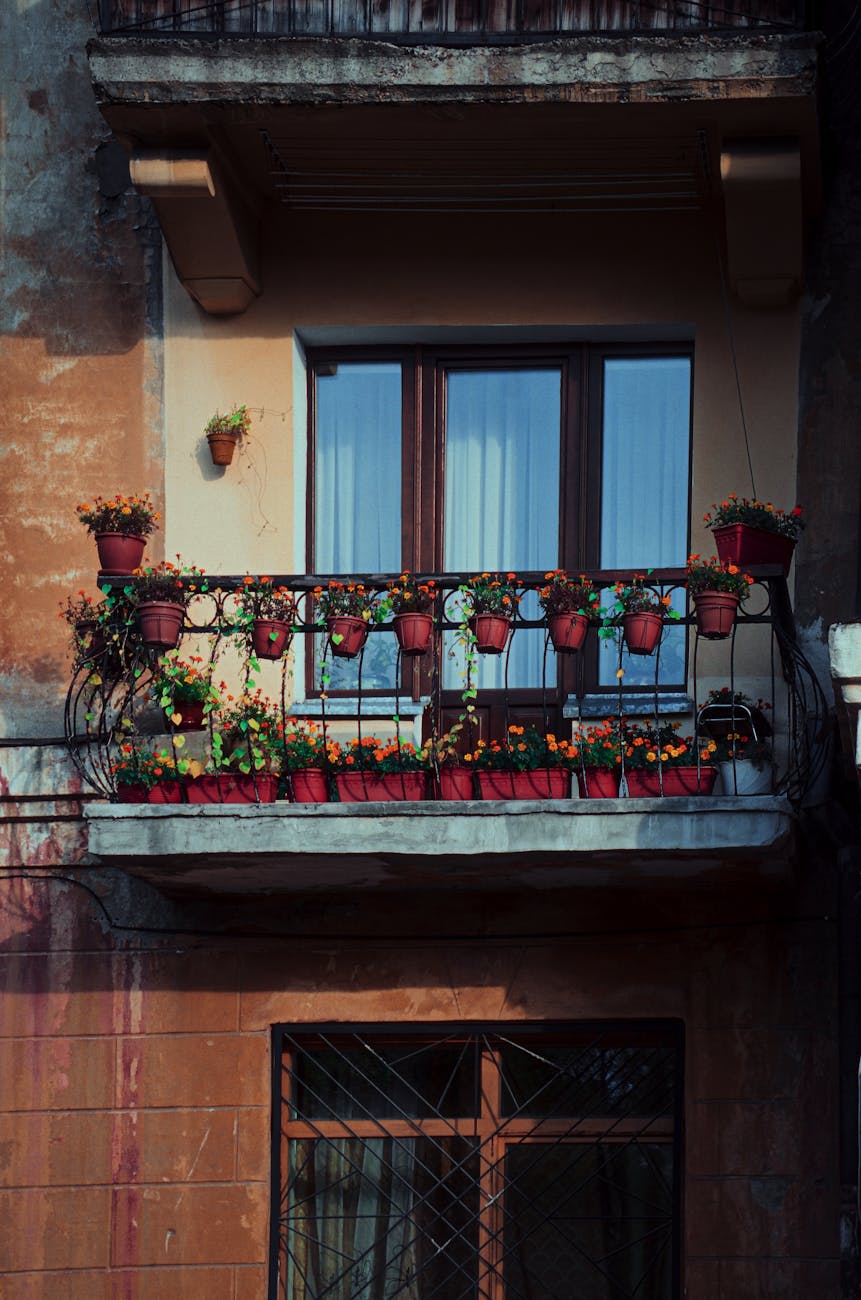
The Geometry of Growth: Why Vertical Gardening Transforms Small Urban Lots
City living presents unique constraints. Space is often measured in feet, not acres. For urban dwellers, maximizing yield from limited square footage requires a shift in perspective. We stop thinking horizontally and start thinking vertically. This approach redefines how we interact with our small balconies, patios, and even narrow exterior walls. Vertical gardening is not just a cute aesthetic choice; it is an engineering solution for space scarcity. It leverages the three-dimensional plane that most urban environments offer to cultivate lush, abundant plant life where traditional ground planting simply cannot compete.
The fundamental mechanism at play here is spatial efficiency. By moving plants upward, we access airspace that was previously wasted. This allows for exponentially greater plant density in a minimal footprint. Consider the implications for sunlight exposure. A wall, when utilized vertically, captures light across a surface area that might otherwise remain bare concrete or brick. Understanding how light behaves is crucial. You must observe the orientation of your space. Tracking sun, shade, and wind for better gardening is essential groundwork before selecting your specific plant palette. This environmental awareness dictates which vines will thrive on a south-facing wall versus a shaded north-facing one.
Deconstructing Space: Walls, Trellises, and Railings
The primary structural component in vertical gardening involves creating a supportive matrix. This matrix determines the system’s stability and the root space available for the plants. Materials matter immensely. Corroded metal or weak wood will inevitably fail under the weight of saturated soil and mature foliage. Investigate robust materials. Metal shelving systems, treated lumber, or even repurposed pallets can serve as the foundation.
Trellises are perhaps the most classic method. A trellis functions as a skeletal framework, providing necessary physical support for climbing plants like peas, beans, or climbing roses. The process involves selecting a structure with appropriate spacing. Too dense, and airflow becomes stagnant, promoting fungal issues. Too sparse, and the plant struggles to establish a strong root anchor. Experimentation here yields specific results for particular plant types.
Wall planters offer an alternative approach. These systems involve attaching containers directly to a vertical surface. This is excellent for creating defined pockets of soil. The key challenge shifts from structural support to water management. You must ensure effective drainage within the container walls, preventing root rot when watering occurs. Successful wall gardening demands careful attention to substrate depth and moisture retention capacity.
Selecting the Right Flora for Vertical Display
Not every plant is suited for vertical confinement. Success hinges on matching the plant’s inherent growth habit with the system’s physical constraints. Certain species are inherently adapted to climbing or trailing behaviors; others prefer dense, mounding growth that might be better suited for tiered shelf systems rather than sheer vertical climbs.
Consider flowering plants specifically. The goal often becomes maximizing the visual impact of vertical gardening flowers. Annuals offer a fast, high-impact display but require more intensive care regarding soil amendments. Perennials, while requiring longer commitment, establish a more stable ecosystem over time. Succulents and certain trailing ivies thrive in shallower containers attached to railings or window ledges.
When planning your vertical tapestry, think about the light intensity you are working with daily. If the area receives dappled shade, focus on shade-tolerant bloomers. If it receives intense midday sun, select heat-loving varieties that can handle the thermal load of the exposed surfaces. This interaction between plant biology and environmental physics is what separates a hopeful attempt from a thriving garden structure.
Engineering Your System: Practical Techniques for Urban Success
Moving beyond simply hanging pots requires an understanding of water flow and nutrient delivery within a vertical matrix. A successful system functions as a miniature, interconnected ecosystem demanding precise management. Neglecting these processes leads to inevitable failure, often manifesting as stunted growth or root distress.
Mastering Water and Nutrient Delivery
Watering is arguably the trickiest part of vertical gardening. Water runs down surfaces rapidly, which can either flood containers or cause rapid dehydration in the upper layers. You must design a system that manages this flow intentionally. Implementing drip irrigation or using self-watering pockets within the structure mitigates surface runoff issues significantly.
Nutrient delivery needs careful consideration too. Since water moves down the vertical plane, ensuring that nutrients are evenly distributed to all root zones requires a thoughtful approach. Standard potting mixes can become depleted quickly when plants are densely packed against a wall. Supplementing with slow-release organic fertilizers ensures sustained feeding. Observing soil health allows you to diagnose deficiencies before they become visible symptoms on the leaves.
Integrating Indoor and Outdoor Growing Strategies
Urban gardening is not confined to exterior walls. The principles of vertical density apply equally well indoors, especially in apartments where window space is limited. Utilizing vertical space inside a kitchen or living area can dramatically increase the fresh produce available. This indoor strategy often benefits from controlled environments. For those just beginning their journey, mastering basic cultivation skills indoors provides a solid foundation for tackling larger outdoor projects. Understanding the nuances of indoor growth preparation aids this transition successfully.
For instance, starting seeds indoors offers a controlled environment where you can perfect techniques before introducing them to the variable conditions outside. Establishing robust indoor growing habits ensures that when you transplant your vertical garden outdoors, the plants are already acclimatized to proper feeding schedules and handling protocols. This linkage between indoor prep and outdoor execution streamlines the overall gardening process.
The Psychological Reward of Vertical Abundance
Beyond the practical botany, there is a profound psychological benefit. Watching a wall transform from an empty plane into a living tapestry provides immediate visual gratification. This connection to nature, nurtured within the confines of the city infrastructure, reduces stress. It transforms overlooked, hard surfaces into vibrant sources of beauty and sustenance. The act of nurturing these vertical gardening flowers becomes a daily ritual, offering tangible proof of creative control over one’s immediate environment.
The process demands patience. Plants do not grow at the speed we desire. They respond to subtle shifts in humidity, light exposure, and nutrient availability. Observing the slow, deliberate unfolding of a vine or the emergence of a vibrant bloom teaches a necessary lesson: true abundance is achieved through patient observation and responsive care. It reframes the concept of gardening from a labor of yield to an exercise in dynamic spatial design.
Tags: vertical gardening, urban gardening, flower display, small space gardening, wall planters, vertical gardens, container gardening
Featured Image by Egor Litvinov on Pexels.