
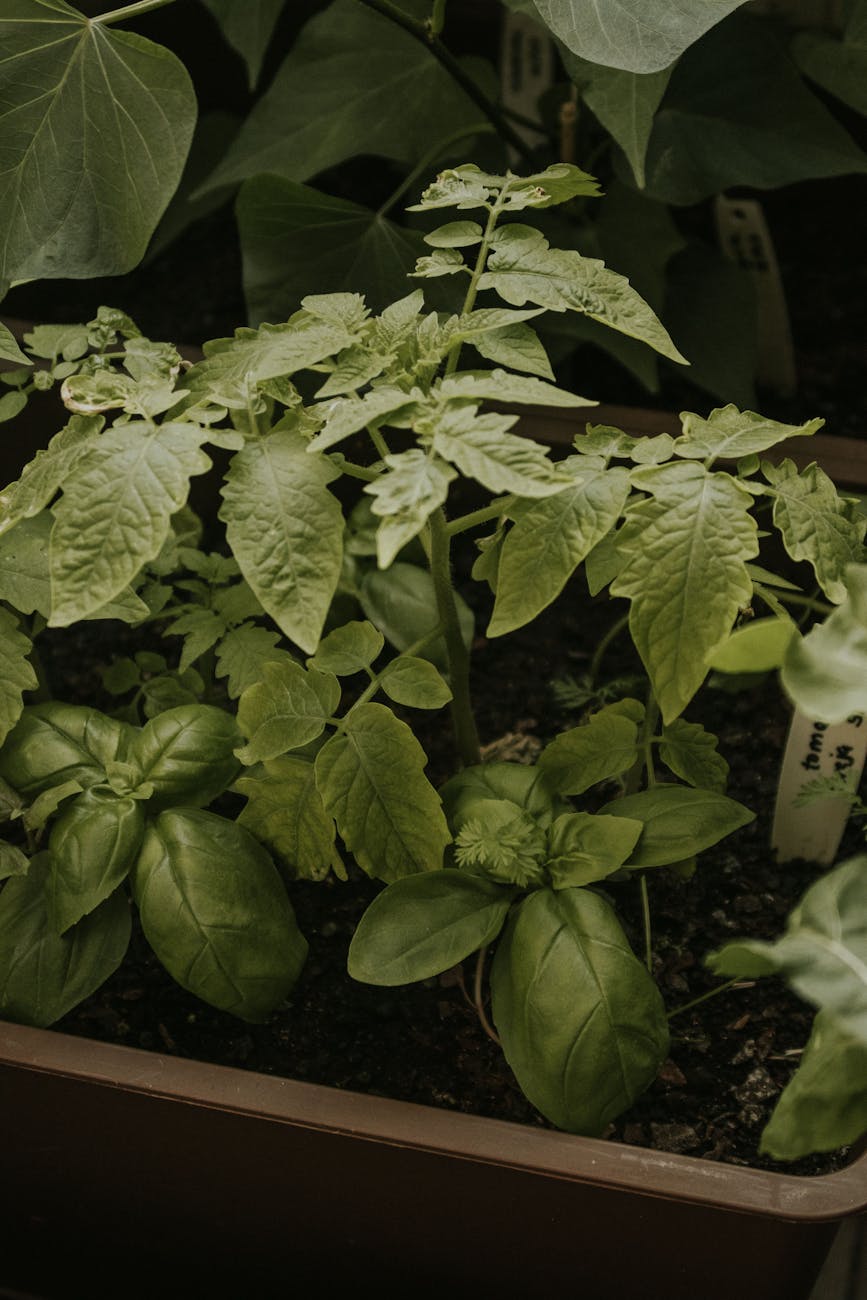
Optimizing Plant Interactions for Enhanced Urban Harvests
When managing a small urban garden, maximizing the yield from limited space requires moving beyond simple monoculture planting; we must engineer symbiotic relationships between adjacent plants. This approach, known as companion planting, functions by exploiting established ecological principles to create a more resilient and productive growing environment. We are not just placing plants near each other; we are manipulating the microclimate and chemical interactions within the soil to achieve specific outcomes. Observing the data from various small-scale urban plots consistently demonstrates that strategic plant pairings directly influence pest suppression, nutrient uptake efficiency, and overall biomass accumulation.
Understanding the Mechanisms of Plant Symbiosis
The effectiveness of companion planting stems from several interconnected biological mechanisms operating at the root and canopy level. Certain plant species release volatile organic compounds (VOCs) into the air, which directly influence the behavior of other neighboring plants. These airborne signals can act as chemical deterrents against specific insect pests, effectively creating an unintentional pest management system that reduces the need for external intervention. We observe this phenomenon frequently when pairing strong-smelling herbs with susceptible vegetables.
For example, incorporating specific aromatic foliage influences predatory insects. Plants like marigolds release allelopathic chemicals that can inhibit the growth of certain fungal pathogens, thereby improving the overall plant health. This chemical signaling is a sophisticated form of non-invasive biological control. Understanding these interactions allows the gardener to design layouts that promote beneficial relationships rather than simply managing problems reactively.
Strategic Plant Pairings for Pest and Disease Management
The core objective in employing companion planting urban vegetables is to establish a layered defense system against common garden adversaries. We look at specific pairings where antagonistic or mutually beneficial effects are pronounced. Consider the classic strategy of placing strong-smelling deterrents next to vulnerable crops. Basil, for instance, has been shown through field observations to disrupt the feeding patterns of aphids and whiteflies on nearby tomato plants. This physical barrier, combined with chemical interference, significantly reduces infestation rates observed in controlled trials.
Another critical pairing involves using trap crops. Plants that attract specific pests away from the main vegetables serve a vital diversionary role. This strategy works by redirecting herbivore activity to less economically damaging areas of the garden. By setting up these sacrificial plantings strategically, we manage pest pressure before it escalates into widespread infestation across the vegetable patch.
When planning layouts, we must account for root competition as well. Plants with shallow versus deep root systems will interact differently with soil moisture and nutrient availability. This consideration connects directly to soil health management; understanding how different roots compete for resources informs decisions about soil amendments. For instance, if you are dealing with areas where the soil structure is compromised, balancing urban soil pH—using methods detailed in articles like Balancing Urban Soil pH: Natural Fixes for Acidic & Alkaline Gardens—becomes a prerequisite before attempting complex companion planting schemes.
Maximizing Nutrient Efficiency and Growth Rate
Beyond pest control, successful companion planting directly impacts the efficiency with which plants utilize available soil resources. Plants engage in a competitive process for water and essential mineral nutrients like nitrogen and phosphorus. Some plant combinations enhance this uptake efficiency by optimizing the rhizosphere environment around the roots. We see that certain pairings foster a healthier microbial community within the soil matrix.
When we consider cultivating edibles in confined urban spaces, maximizing the yield per square foot becomes paramount. This demands plants that thrive under similar micro-conditions while simultaneously contributing positively to each other’s growth potential. Pairing nitrogen-fixing plants with heavy feeders allows for a more balanced nutrient cycle within the small plot. This intentional arrangement ensures that energy expended on growth is channeled toward edible biomass rather than defensive reactions against environmental stress.
Container gardening, often the reality of small urban plots, amplifies these interactions because the root zone is physically constrained. Therefore, selecting appropriate companions becomes even more critical for sustained productivity. Exploring strategies for container growing, such as those found in Container Gardening for Flavorful Herbs in Small Urban Spaces, provides context on how root systems manage limited volume, which informs companion planting choices.
Implementing Companion Planting Systems: A Practical Framework
Developing an effective companion planting strategy requires moving from theory to practical application based on the specific crop selection and garden orientation. We must analyze the light exposure across the plot; plants require different light intensities, and this spatial arrangement dictates their competitive success. Observing how sun exposure varies throughout the day influences the rate of photosynthesis, which in turn affects the production of those airborne chemical signals discussed earlier.
A typical layout might involve creating borders or intercropping patterns rather than simple block planting. This introduces complexity that forces the plants to adapt and interact dynamically. We observe that dense groupings often result in suppressed growth for all participants unless the plant species possess strong, mutually supportive physiological traits. Therefore, strategic spacing is as important as species selection itself.
We must also account for the timing of planting relative to the growing season. Introducing specific companion plants at different stages of their life cycle ensures that the symbiotic relationship is established when both parties are most receptive to the interaction. This temporal awareness adds another layer of complexity to managing a small urban vegetable garden successfully. The goal remains consistent: engineering an environment where natural processes lead directly to higher yields and healthier produce.
Tags: companion planting, urban gardening, small space gardening, vegetable yields, natural pest control, container gardening, urban agriculture
Featured Image by Letícia Alvares on Pexels.