
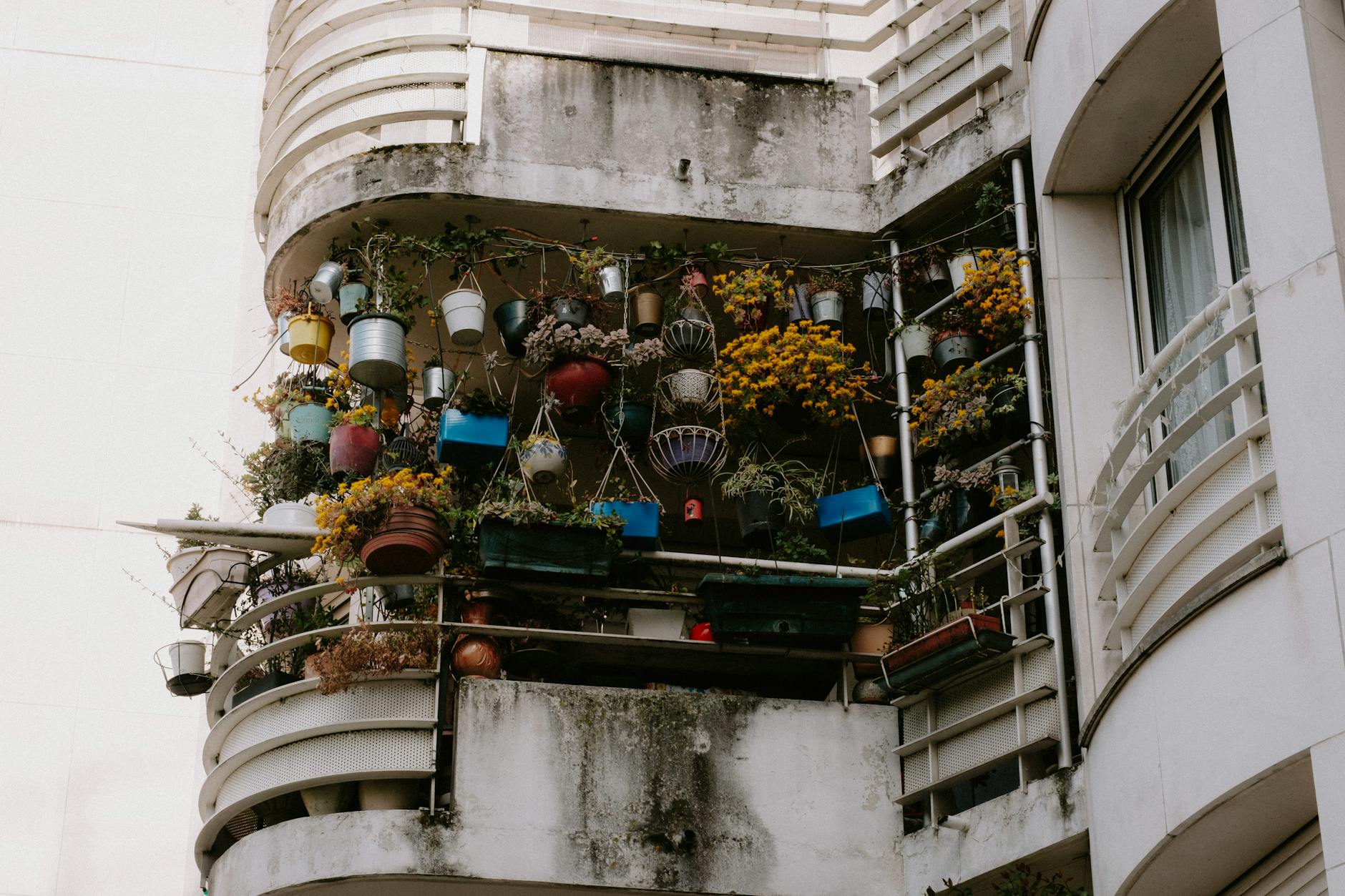
Container Gardening for Flavorful Herbs in Small Urban Spaces
The desire to cook with fresh herbs is powerful. You want that vibrant basil on your windowsill, or that fragrant mint thriving on a sunny balcony. The challenge often isn’t the desire; it’s fitting that ambition into the realities of small urban living. Container gardening herbs urban offers a direct solution. It transforms a perceived limitation—limited space—into an opportunity for intense culinary reward. Mastering this art means understanding how plants interact with their immediate environment, especially when roots are confined to a pot rather than sprawling across a traditional garden bed.
Selecting the Right Vessels for Herb Success
The container itself is not just a vessel; it’s the ecosystem where your herbs will live and breathe. Choosing the wrong pot introduces unnecessary stress that stunts growth before the seeds even germinate. Think about drainage capacity above all else. Herbs hate sitting in soggy, waterlogged conditions because this suffocates the fine feeder roots necessary for nutrient uptake.
Drainage is Non-Negotiable
When you select pots—whether terracotta, plastic, or ceramic—ensure there are ample holes at the bottom. Poor drainage causes root rot swiftly. Water must be able to escape freely so that the soil mix can breathe and the roots remain oxygenated. This mechanism dictates survival in a container setting.
Material Matters: Porosity and Temperature Regulation
Different materials manage moisture retention differently. Terracotta, for instance, is porous; it allows excess moisture to evaporate through the sides, which can be beneficial in very hot climates but demands more careful watering management. Plastic retains moisture longer. Ceramic offers a middle ground. Understanding this relationship between the pot material and the watering schedule is critical for maintaining a healthy root environment.
Crafting the Perfect Growing Medium
You cannot simply use garden soil in a container. The density, aeration, and ability to retain necessary moisture must be precisely engineered for container life. Herbs require well-draining, light, and airy substrates. If the medium compacts too easily, growth stalls; if it holds too much water, roots drown.
Soil Composition: Balancing Structure and Nutrition
A standard potting mix is a good starting point, but true success often involves modification. Incorporating materials like perlite or coarse sand increases aeration dramatically. This increased air space prevents compaction, which allows the roots to expand outward effectively. When you are dealing with dense plantings, maximizing root space becomes an immediate concern. If you want to maximize yields in narrow window boxes, focusing on lightweight, well-aerated mixes is paramount.
Soil pH: The Hidden Chemical Factor
The chemical environment of your soil directly impacts how efficiently the herb absorbs nutrients. Many herbs prefer a slightly acidic to neutral pH range. If you are working with urban or balcony soil, testing its pH is an act of due diligence. Adjustments made to this balance ensure that essential micronutrients become available to the plant tissues for growth. Understanding how to manage this requires knowing about balancing urban soil pH: Natural Amendments for City Gardens.
Mastering Water Management in Container Settings
Container gardening herbs urban shifts the responsibility of watering squarely onto the gardener’s shoulders. Because the soil volume is small, moisture levels fluctuate much faster. Overwatering remains the single most common pitfall for beginners.
The Mechanism of Watering Frequency
The frequency you water depends entirely on the pot size, the type of soil used, and the ambient temperature and humidity of your specific urban space. Always test the soil before watering again. Stick your index finger two inches deep. If it feels dry at that level, it is time to water thoroughly. Avoid the temptation to follow a rigid schedule; respond to the plant’s physical signals.
Technique: Deep Watering vs. Frequent Light Sprinkling
When you do water, water deeply. Allowing the water to penetrate the entire root zone encourages deep, strong root growth, rather than encouraging superficial, shallow roots that are susceptible to drying out quickly. Use a gentle stream so the water saturates the medium evenly. This practice supports robust plant health as they seek deeper moisture reserves within their confined space.
Specific Herb Strategies for Small Spaces
Not all herbs thrive under identical conditions. Some demand more attention regarding light and drainage than others. Understanding these specific needs allows you to optimize your limited urban footprint.
Basil: The Sun-Loving Favorite
Basil thrives in warmth and bright, indirect sunlight. It requires consistent moisture but hates wet feet. Place it where it receives at least six hours of direct sun daily. Monitor its leaves closely; yellowing often signals either insufficient water or poor drainage. Keep the soil consistently moist, never saturated.
Mint: The Spreading Invader
Mint is notoriously vigorous and thrives on consistent moisture. While it loves water, it must be contained carefully. Mint is excellent for container gardening herbs urban, but because it spreads so aggressively, consider planting it in its own dedicated, slightly larger pot to prevent it from choking out neighboring plants.
Thyme and Rosemary: The Mediterranean Choices
These woody herbs prefer drier conditions. They need excellent drainage and enjoy slightly cooler roots than basil. When using containers for thyme or rosemary, use a grittier soil mix, as these plants are less tolerant of perpetually saturated roots. Their success depends on allowing the top layer of soil to dry out between waterings.
Maximizing Space Through Smart Planting Techniques
When space is tight, planting strategy becomes as important as soil composition. Think vertically and utilize every available inch effectively.
Stacking and Cascading Arrangements
Instead of spreading herbs horizontally, look up. Use vertical gardening techniques by stringing small pots or using tiered shelving units. This utilizes the airspace above your balcony railing or windowsill. Cascading plants, where trailing herbs like thyme drape over a railing planter, maximize visual impact without consuming floor space.
Utilizing Narrow Spaces Efficiently
If you have very narrow window boxes, focus on compact varieties and strategic placement. Experiment with planting herbs in staggered rows rather than dense blocks. This allows air circulation between the stems, which mitigates fungal issues common in crowded environments. Remember that even slight spacing differences can result in a significantly larger overall yield for each individual plant.
Ongoing Maintenance: Feeding Your Urban Garden
Once established, container herbs require consistent attention to nutrition. Because the soil volume is limited, nutrients are depleted more rapidly than in a large garden bed.
The Role of Feeding
Container plants deplete nutrients faster because the water cycle pulls elements from the limited medium. Implement a diluted, balanced liquid fertilizer every few weeks during the active growing season. Use a slow-release granular option sparingly, as over-fertilizing can lead to salt buildup in small pots, which is detrimental to root health. Observe how the plant responds to feeding; adjust the concentration based on observed growth rates.
Pruning for Abundance
Regular harvesting is an essential part of maximizing your yield. When you snip herbs regularly, you signal the plant to produce more foliage rather than focusing energy solely on producing seeds or stems. Pinching back the tips encourages bushier, denser growth. This ongoing process ensures that your small space continuously provides fresh, flavorful ingredients season after season.
Tags: container gardening, urban gardening, culinary herbs, balcony gardening, small space gardening, indoor herbs, fresh herbs
Featured Image by Mathias Reding on Pexels.