
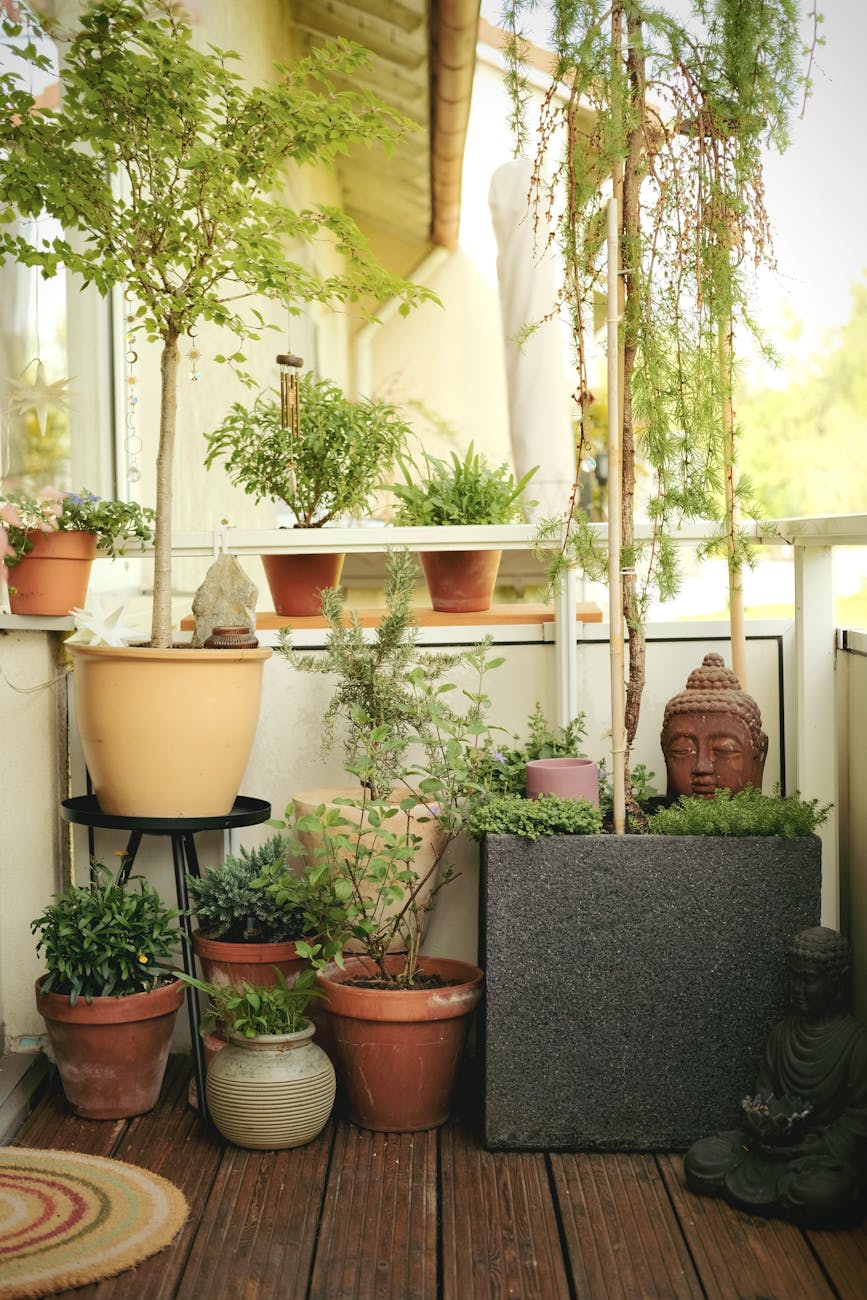
Choosing Containers for Small Urban Gardening Spaces
The decision of what to put your plants into is far more than just picking a pretty pot. It involves understanding physics, water retention, drainage, and the specific microclimate of your small urban gardening area. For city dwellers, whether you are wrestling with a narrow balcony or utilizing a small patio, the container selection dictates success or failure. Getting this wrong means battling constantly for moisture and nutrients, turning a simple hobby into an exercise in frustration. We need to analyze what each material does when interacting with soil and water.
Understanding the Core Principles of Container Selection
The fundamental challenge in urban gardening is managing resources within limited boundaries. Containers act as the interface between your plant roots and the environment. This interface must facilitate efficient gas exchange, water uptake, and root respiration. Ignoring these physical principles leads to root rot or stunted growth very quickly.
A critical factor involves porosity. How much air can move through the walls of the container? If a pot is too dense, roots become suffocated; this is a common pitfall for beginners using heavier terracotta without proper drainage holes. Conversely, containers that allow good aeration prevent anaerobic conditions in the root zone. Think about the material itself. Clay pots offer thermal mass but require meticulous drainage management. Plastic offers light weight and consistent water retention but can sometimes impede airflow if poorly designed.
Material Deep Dive: Terra Cotta vs. Plastic vs. Fabric
Different materials possess distinct properties that affect plant health over time. Understanding these properties informs your container selection urban gardening strategy.
Terracotta and Clay: The Breathable Option
Terracotta, or fired clay, is popular for its aesthetic appeal and perceived breathability. However, its main advantage is thermal regulation; it allows the soil to wick away some moisture through the walls, which can help prevent overwatering in very humid conditions. The drawback emerges when considering drainage. Unless you drill numerous holes, water retention becomes high, forcing gardeners to become hyper-vigilant about watering schedules. For balcony setups where drainage space is limited, this material demands careful layering of materials underneath if you opt for a decorative finish.
Plastic: Flexibility and Water Management
Plastic containers offer unparalleled flexibility. They are lightweight, which is excellent when dealing with weight constraints on balconies or patios. The key mechanism here lies in water retention capacity. Plastic holds moisture effectively. This means that when using plastic, the drainage mechanism must be explicitly engineered. If you use a simple plastic bucket without intentional drainage holes, you risk creating a stagnant pool at the bottom, which is fatal to roots over time. Always inspect the manufacturer’s specifications regarding drainage holes before purchasing.
Fabric and Felt: The Specialized Approach
Fabric grow bags and felt pots introduce an entirely different mechanism of interaction. They prioritize root space and air circulation above all else. These systems excel in environments where root restriction is a major concern, such as when growing root vegetables or densely packed herbs. The porosity here is excellent because the entire surface allows for maximum gas exchange between the soil and the roots. This approach pairs exceptionally well with systems like Vertical Gardening Systems for Balconies: Maximize Your Balcony Space, maximizing vertical potential.
Sizing Up Your Needs: Matching Container Size to Plant Type
The size of the container directly influences the root system’s ability to expand and access resources. A small pot limits growth potential; a large pot risks excessive water holding that may lead to overwatering if the soil is not managed correctly. This relationship must be calibrated based on what you intend to grow.
For shallow-rooted plants, like many herbs or leafy greens, shallower containers suffice. However, for fruiting plants—tomatoes, peppers, or larger root vegetables—you need substantial depth. Roots need room to develop an extensive network. Attempting to force a sprawling plant into a narrow container creates chronic stress and stunted development because the roots hit physical barriers prematurely.
When planning your space, consider the mature size of the plant you aim to cultivate. A single tomato plant demands significantly more volume than a collection of basil plants. This spatial calculation is essential before moving to the next step, perhaps exploring Indoor Seed Starting: A Beginner’s Guide for Urban Gardeners, as these systems often start small and build up.
Drainage Systems: The Non-Negotiable Element
No matter which material you choose, poor drainage negates all other efforts. Water must be able to escape the root zone rapidly after watering. If water pools at the bottom, the soil becomes saturated, creating an environment ripe for fungal diseases like root rot.
The physical structure of your container dictates how effectively drainage occurs. This is why simple pots often fail in dense urban settings without intervention. Solutions involve layering or utilizing specialized systems. For instance, you can use a double-pot system where the inner pot holds soil and excess water, and the outer container acts as a reservoir to catch overflow—a form of passive drainage management. Alternatively, ensuring every single container has at least three substantial holes is the simplest, most direct method for ensuring proper hydrostatic pressure relief.
Optimizing for Urban Constraints: Verticality and Repurposing
In small urban spaces, horizontal real estate is often scarce. This forces a shift in strategy toward vertical expansion. Utilizing vertical gardening systems maximizes yield per square foot dramatically. These systems allow growers to stack plants, increasing overall productivity without consuming more floor space on the balcony or patio. This concept transforms a two-dimensional problem into a three-dimensional opportunity.
Repurposing existing materials is another smart tactic for constrained spaces. Old food-grade buckets, sturdy wooden crates, or even large, clean plastic bottles can be adapted into functional planters, provided they are thoroughly cleaned and fitted with adequate drainage holes. The key remains assessing the structural integrity of any repurposed item before introducing living roots to it.
Final Considerations on Soil and Media
The container is only one component in the equation. The growing medium inside profoundly affects how the container performs its function. Using dense garden soil directly in a pot can compact easily, impeding air flow even if the pot has holes. Urban gardeners often benefit from using a lighter, more aerated mix. Incorporating materials like perlite or coarse sand into your potting mix increases porosity, ensuring that even in smaller containers, the roots breathe effectively and water penetrates the entire volume uniformly. This focus on the medium complements the selection of the physical container beautifully.
Tags: urban gardening, container selection, small space gardening, balcony gardening, container guide, container types, beginner gardening
Featured Image by Laura Cleffmann on Pexels.