
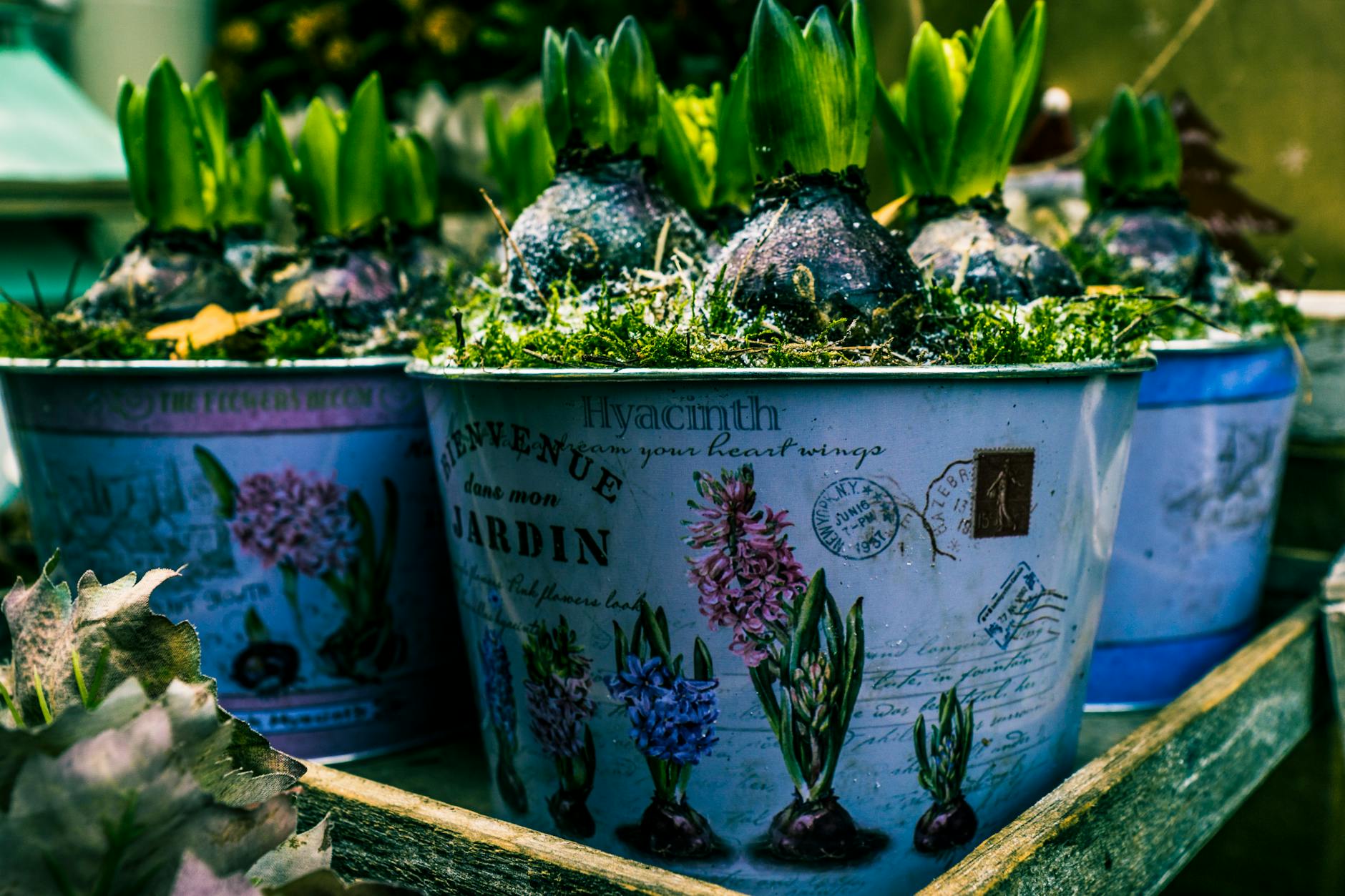
Mastering the Art of High-Density Container Gardening
The reality of urban gardening is space constraint. You have a balcony, a narrow patio, or a small windowsill. The temptation is to aim for sprawling, lush beds. Experience teaches otherwise. True success in these environments hinges not on volume, but on intensity. This is where high-density container gardening becomes the essential strategy. It means rethinking every inch of vertical and horizontal real estate available to your plants. We are moving away from traditional, spaced-out planting and embracing a symbiotic approach where every pot contributes its absolute maximum potential.
The Physics Behind Maximizing Pot Space
When you reduce the volume of soil, you increase the concentration of plant matter. This forces roots to explore more aggressively for nutrients, which ironically leads to healthier, more robust plants. Think about root competition. In large beds, roots sprawl and compete inefficiently. In tightly packed containers, the roots are channeled, creating a dense, interconnected network that efficiently exploits the limited substrate. This mechanism is key to achieving bumper yields in small footprints.
Consider the principles of water retention. Smaller pots dry out faster. This demands a shift in watering technique. Instead of deep, infrequent saturation, you must adopt consistent, shallow moisture management. The soil-to-water ratio changes drastically when you pack containers closely together. You need to understand how moisture moves through that dense matrix immediately.
Strategic Planting Techniques for Density
Achieving high density requires deliberate planning, not just shoving plants in side-by-side. We are manipulating the relationship between different plant types to create a living ecosystem within those confines. This is where companion planting stops being a nice idea and starts becoming a biological necessity.
Layering and Vertical Stacking
If horizontal space is limited, vertical space opens up infinite possibilities. Trellising techniques are not just for aesthetics; they are crucial for maximizing light exposure in dense setups. Use sturdy netting or vertical supports to stack climbing beans, peas, or small cucumbers. This utilizes the air column above the soil level effectively. When setting up these vertical structures, ensure your container selection is robust enough to handle the weight of mature vines and the moisture demands placed upon them.
For shallow containers, think about tiered systems. A simple, stable stack allows you to utilize height without consuming excessive floor space. The lower tiers can house shallow-rooted herbs, while upper tiers accommodate slightly deeper-rooted vegetables. This layered approach multiplies your usable gardening area exponentially.
Intercropping and Succession Planting in Containers
The concept of succession planting must be adapted for container density. Instead of waiting for a large plot to clear, you cycle crops within the same pot or adjacent pots over a short time frame. Plant fast-maturing crops like radishes or lettuce in the initial phase. Once they are established, immediately introduce slower-growing companion plants that will provide support or shade.
For example, planting bush beans alongside determinate tomatoes creates an immediate symbiotic relationship. The beans use the tomato cage for vertical support, and the beans improve soil nitrogen levels as they grow. This interplay minimizes wasted space because each plant performs multiple roles simultaneously. When considering what to plant next, look at nutrient cycling rather than simple acreage allocation.
Optimizing Soil and Nutrition in Small Volumes
The substrate itself is no longer just dirt; it is the primary medium for all life in a high-density setup. Because water and nutrients move through this soil so rapidly, poor substrate quality results in immediate plant stress. You cannot afford to compromise on the medium.
When selecting your growing mix, avoid heavy, dense garden loam. Opt instead for a light, fluffy, well-aerated mix. Incorporating perlite or coarse sand into your potting mix increases porosity significantly. This increased air space is vital for root respiration and preventing the suffocating conditions that develop when containers are packed tightly together.
When you start seeds indoors—a crucial step in maximizing yield—the initial environment must be perfect. Use a high-quality, sterile seed-starting mix. When transplanting these delicate seedlings into your dense containers, ensure they have access to consistent moisture without becoming waterlogged. Understanding how these young plants need aeration is paramount for survival and subsequent growth.
Managing Water and Nutrient Delivery Systematically
In densely packed systems, watering becomes an exercise in precision rather than volume. Overwatering leads quickly to root rot because the limited soil mass cannot buffer excess moisture effectively. Underwatering causes rapid wilting because the roots have nowhere else to draw sustenance quickly. This dynamic demands attentive observation of the soil’s surface texture.
Implement a system where you assess moisture depth before applying water. Use a finger test deep into the substrate. Only water when the top layer is demonstrably dry to the touch. For dense plantings, consider using self-watering containers or building simple wicking systems. These systems manage the moisture reservoir internally, offering stability that manual top-watering often cannot provide in tightly packed arrangements.
Nutrient delivery must also be precise. Since you are using a limited volume of soil, any added nutrients must be delivered efficiently. Use a slow-release organic fertilizer mixed into the initial potting medium. This ensures that nutrients are released gradually, matching the slower growth cycle of container plants. Avoid aggressive fertilization, as this can burn roots in small volumes. Focus on providing foundational elements so the plant’s natural, dense growth mechanism can take over the heavy lifting.
The Long-Term View: Harvesting Density
The goal of high-density container gardening is a continuous harvest cycle. Because you are cycling crops and maximizing the space per plant, you experience more frequent yields throughout the season rather than one large, delayed bounty. This rhythm keeps your motivation high.
Observing how plants interact in close quarters teaches you about light competition. Taller plants must be positioned strategically to avoid completely shading out shorter neighbors. This spatial awareness prevents the yield of the entire system from collapsing under a single dominant plant’s shadow. Successful high-density container gardening is less about fitting more plants and more about engineering an efficient, interconnected biological unit within a small boundary. Embrace the density; let it inform your planting choices.
Tags: container gardening, urban gardening, small space gardening, container gardening tips, succession planting, companion planting, small garden
Featured Image by Francesco Paggiaro on Pexels.