
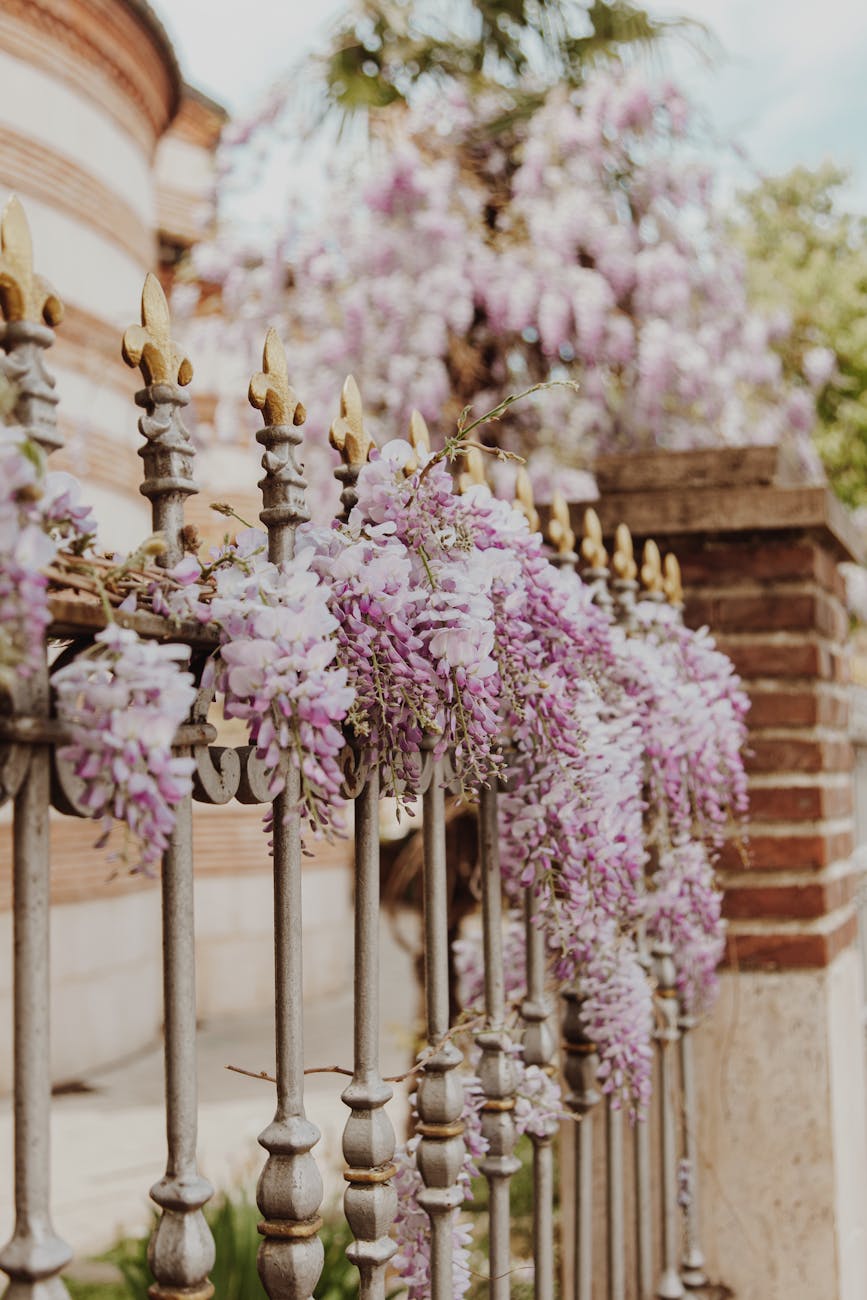
Maximizing Space: Why Vertical Gardening Flowers Are the Urban Gardener’s Secret Weapon
The concrete jungle demands creativity. When traditional ground space evaporates in dense urban environments, the solution shifts upward. This is where vertical gardening flowers move from a quaint hobby to an essential architectural strategy for small-space dwellers. It is not simply about placing pots on a balcony; it involves manipulating light, utilizing existing structures, and creating living facades that maximize visual impact while minimizing footprint. We are observing a fundamental shift in how we interact with limited real estate.
This approach addresses the physical constraints of city living directly. By engaging vertical surfaces—walls, fences, and railings—we transform seemingly dead or neglected boundaries into vibrant, productive ecosystems. The resulting effect is profound: an infusion of nature that softens the harsh lines of the built environment. Understanding the mechanics behind how these systems function is key to successful implementation, whether you are installing a simple trellis or designing a complex living wall.
The Physics and Practicality of Vertical Systems
Vertical gardening operates on principles of resource optimization. In a constrained space, every square inch must serve multiple functions. A vertical setup addresses this by stacking plants, allowing root systems to explore different planes while the canopy captures sunlight efficiently. This layered approach enhances plant health because it mimics natural growth patterns.
Consider the mechanism of support. Trellises and vertical racks provide the necessary structural integrity. They are not just decorative; they act as a living scaffold. A well-chosen system dictates how much weight the soil and moisture can bear, directly impacting long-term viability. Ignoring this structural aspect leads to inevitable failure, wilting, and eventual collapse.
When planning these installations, the angle of the structure relative to the sun is paramount. South-facing walls in the Northern Hemisphere offer maximum solar exposure for flowering plants. Positioning your vertical garden accordingly ensures that the flowers receive the necessary energy to bloom profusely rather than merely survive. This consideration moves beyond aesthetics into horticultural science.
Selecting the Right Vertical Mediums and Support Structures
The choice of material dictates the longevity and type of plant you can successfully cultivate. You must assess the substrate’s ability to retain moisture while permitting adequate aeration. For many vertical setups, using lightweight, well-draining potting mixes is essential. Heavy, dense soil packed too tightly will create anaerobic conditions, suffocating the roots.
Different systems require different approaches to containment. Pocket systems, often utilizing felt or recycled fabric pockets attached to a wall, are excellent for shallow-rooted annuals and trailing vines. They offer flexibility for plants with less aggressive root systems. Conversely, systems involving hanging planters or vertical shelving units demand more robust support beams. The material itself—be it reclaimed wood, metal piping, or sturdy mesh—must resist rust, rot, and the pull of moisture over time.
When integrating these botanical displays, think about water management immediately. Water runs down surfaces easily. Therefore, implementing a system that channels excess water back into the growing medium, or using integrated drip systems for vertical setups, becomes a critical design element rather than an afterthought. This attention to water dynamics is inseparable from successful urban gardening.
Cultivating Blooms: Which Flowers Thrive Vertically?
Not all flowers are created equal when grown in confined vertical settings. Selection must be based on light exposure and the specific structural support provided by your chosen system. Plants that naturally trail or climb perform exceptionally well, utilizing the verticality to their advantage.
For structures offering more surface area but less intense, direct midday sun—such as shaded north-facing walls—focus on shade-tolerant varieties like certain types of mint, trailing sweet peas, or delicate ivy variants. These plants thrive in diffused light.
When maximizing visual impact, consider the bloom cycle. Choosing flowers that offer continuous color throughout the season provides a greater return on your investment. Petunias, calibrachoa (라고나), and various morning glories are excellent choices because they tolerate some environmental stress while delivering abundant, accessible blooms. Experimenting with cascading varieties allows the aesthetic to flow naturally down the structure, emphasizing the vertical theme inherent in vertical gardening flowers.
Integrating Food and Soil: The Holistic Urban Ecosystem
A truly successful urban garden moves beyond just aesthetics; it becomes a source of sustenance. The principles used for growing decorative flowers apply seamlessly to cultivating edible plants. The success of your floral display is intrinsically linked to the health of the soil you use, whether it feeds roses or lettuce.
This connection necessitates a deep understanding of soil biology. When dealing with intensive planting in confined spaces, managing nutrient cycling becomes crucial. Understanding how organic matter decomposes and releases nutrients dictates what thrives. For those looking to manage their waste responsibly within an urban context, practices like composting are invaluable. Effective composting systems ensure that the limited resources available—water and nutrients—are recycled efficiently back into the system. Focusing on soil health directly impacts the vibrancy of any vertical arrangement you create. For instance, establishing a healthy microbial environment is vital for managing moisture levels effectively in high-density planting scenarios; understanding factors like Worm Bin Moisture & Aeration: Urban Composting Secrets provides insight into maintaining this crucial balance.
Beyond Flowers: Designing Multi-Functional Vertical Spaces
The potential of vertical gardening extends far beyond ornamental blooms. By employing smart design, you can create multi-functional living walls that serve multiple urban needs simultaneously. This shifts the focus from single-purpose planting to integrated living architecture.
One strategy involves layering. You might dedicate one section to flowering annuals for visual appeal, another to shade-loving herbs, and a third to creeping edibles. This stratification ensures that the overall structure remains productive regardless of the specific plant arrangement chosen for each zone.
Consider how vertical systems interact with other urban necessities. A system installed on a fence can serve as a living screen against noise pollution while simultaneously providing a source of color. Balcony railings, often overlooked, become prime real estate when utilized with modular planters to introduce greenery where horizontal space is nonexistent. These installations redefine the boundary between private living space and public urban space.
The act of creating these vertical gardens is an exercise in spatial problem-solving. It demands observation—of light patterns, wind exposure, water runoff, and structural limitations. It requires a commitment to experimentation. You learn quickly that what works on a south-facing brick wall will fail miserably on a shaded east-facing siding. This iterative process of testing, observing the results, and adjusting your approach is the hallmark of an experienced urban gardener.
Ultimately, mastering vertical gardening flowers in the city is about harnessing geometry and biology. It is about respecting the constraints of the environment while aggressively pursuing growth. By viewing walls and fences not as barriers but as canvases, you unlock a dimension of gardening previously inaccessible in dense settings. The result is a dynamic, beautiful, and highly productive urban oasis, proving that even the smallest spaces can yield extraordinary botanical rewards when approached with expert insight.
Tags: vertical gardening, urban gardening, wall planters, flower display, trellises, small space gardening, urban gardening
Featured Image by ROMAN ODINTSOV on Pexels.