
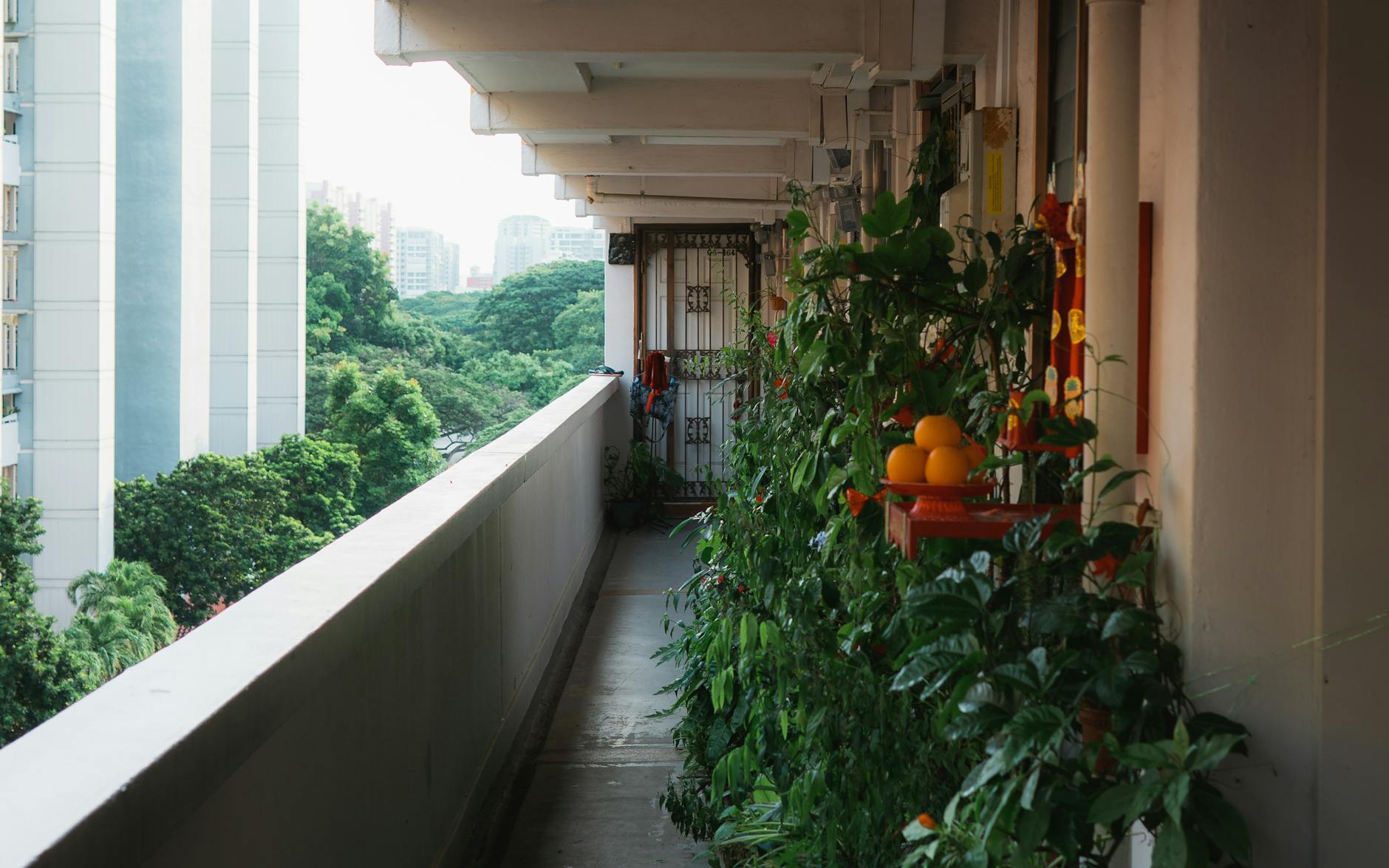
The Symbiotic Science of Companion Planting in Urban Spaces
There is a profound relationship operating within any thriving garden, a silent communication happening between the plants themselves. When we talk about companion planting urban gardening, we are not just talking about placing things near each other; we are engaging with established ecological principles. This practice moves beyond simple aesthetics. It involves manipulating the microclimate of your small space to foster mutual support and resource efficiency among diverse plant life. Understanding this dynamic is the key to transforming a patch of balcony or windowsill into a highly productive ecosystem.
Establishing an Optimized Microclimate
The success of any urban garden hinges on managing limited resources—sunlight, water, and nutrients. Companion planting acts as a sophisticated system for managing these constraints. By strategically selecting which plants sit next to one another, you can influence the environment immediately surrounding each individual plant. Think about light competition. Some plants demand intense direct sun; others thrive in dappled shade. Placing a tall, sun-loving plant next to a short, shade-tolerant one creates an unintentional shading effect that benefits the weaker neighbor. This spatial arrangement mitigates harsh conditions and reduces stress on delicate foliage.
This process is fundamentally about resource partitioning. Plants release volatile organic compounds (VOCs) into the air, which can influence the growth patterns of neighboring species. These chemical signals are invisible to the naked eye but very real drivers of plant behavior. Certain aromatic herbs naturally repel common pests, creating a natural, living pest control system without resorting to harsh synthetic interventions. It is an elegant, self-regulating mechanism that urban gardeners often overlook in favor of simple placement.
Strategic Pairing for Pest and Disease Management
One of the most immediate benefits observed in successful companion planting schemes involves natural defense mechanisms. Instead of relying on external treatments, we utilize the inherent chemistry of the garden. Consider placing strong-smelling plants among your edibles. Marigolds, for instance, release compounds that disrupt the feeding patterns of various soil-borne nematodes and other unwelcome arthropods. This creates a subtle barrier effect across the entire planting area.
The goal here is not just proximity; it is strategic juxtaposition. Imagine pairing pungent herbs like basil or mint with susceptible vegetables. Basil, known for its strong scent, can help deter certain insect pests from settling on nearby tomatoes or peppers. Mint, another powerful aromatic player, creates a dense, inhospitable environment for many common garden invaders. This layering of scents builds a defensible zone for your more valuable crops.
When optimizing space, this principle becomes even more critical when dealing with container gardening. Because the root systems and available soil volume are inherently constrained in pots, maximizing the benefits of every square inch is essential. When you are working with limited substrate, the interactions between plants become amplified. Therefore, focusing on density and strategic pairing is crucial for achieving robust health within small containers. For detailed strategies on managing high-density planting in limited space, explore methods like Maximize Yield in Tiny Pots: High-Density Container Gardening Secrets.
Nutrient Cycling and Soil Health Mechanisms
Companion planting extends beyond pest control into the realm of nutrient cycling. Different plant families possess distinct root architectures and nutrient demands. Legumes, for example, perform a vital service in urban settings: they fix atmospheric nitrogen through symbiotic relationships with bacteria in their root nodules. When you integrate these nitrogen-fixing plants—like beans or peas—with heavy feeders like corn or squash, you establish a cyclical flow of nutrients within the immediate soil matrix.
This interaction means that the heavier, established plants contribute to the overall soil structure and organic matter, while the nitrogen-fixers enrich the environment for their neighbors. This creates a closed-loop system where less external amendment is required over time. You are essentially engineering a more fertile substrate through biological partnership. Observing this process reveals how interconnected the entire urban ecosystem truly is.
Vertical Strategies and Spatial Efficiency
Urban gardening inherently involves dealing with vertical constraints, whether it is a narrow balcony or an exposed wall. Companion planting techniques integrate perfectly with vertical growing methods. When space demands height, layering becomes your ally. Utilizing vertical structures allows you to stack different plant types in ways that respect their light and water needs while maximizing surface area utilization.
For instance, positioning climbing plants strategically allows them to shade the lower foliage, preventing root rot caused by excessive moisture retention near the base. Integrating edibles with vining plants creates an interwoven structure. This approach leverages the three-dimensional space available. Mastering this spatial awareness is what elevates a simple container setup into a multi-tiered living system. To see how you can best arrange your crops across vertical surfaces, review insights on Vertical Gardening: Maximize Yield on Small Balconies and Walls.
Selecting Compatible Plant Families
Not all pairings are equal; some relationships are more beneficial than others. Understanding the general family traits—solanaceae, brassicas, legumes, etc.—helps guide your initial decisions. Generally, grouping plants with similar water requirements and light tolerances creates a stable environment where stress is minimized. Avoid forcing highly disparate needs into direct contact if possible.
For example, grouping heat-loving, sun-demanding peppers might benefit from being placed near slightly more moisture-retaining herbs, rather than directly against delicate lettuce varieties that prefer cooler conditions. The analysis here shifts from mere preference to environmental necessity. You are setting up a predictable, manageable environment where successful outcomes become the baseline expectation rather than the exception.
This thoughtful selection ensures that every plant has the necessary physical space and chemical context to perform at its peak potential. It transforms gardening from a series of individual efforts into a cohesive, mutually supportive endeavor. The resulting harvest is not just bigger; it is healthier, more resilient, and infinitely more rewarding.
Tags: companion planting, urban gardening, balcony gardening, small space gardening, beginner gardening, plant health, container gardening
Featured Image by William Gan on Pexels.