
Decoding the Infestation: A Practical Guide to City Garden Pest Identification
When cultivating edibles or ornamentals in confined urban spaces—balconies, windowsills, and small patios—the introduction of pests is an inevitable ecological interaction. Understanding these interactions moves the process beyond simple reaction toward proactive management. We observe from the data that the success of small-scale urban gardening hinges on accurately diagnosing the specific threat present before deploying any intervention. Misidentifying a pest often results in ineffective treatments, wasted resources, and the potential escalation of secondary issues, such as fungal outbreaks or widespread plant damage.
The goal here is to establish a reliable system for city garden pests identification. This requires moving past anecdotal observation toward recognizing the specific physiological signatures left by different insect groups. We must analyze the visual cues—the texture of the foliage, the presence of excrement, and the physical damage patterns—to determine the correct course of action.
Common Invaders in Urban Habitats
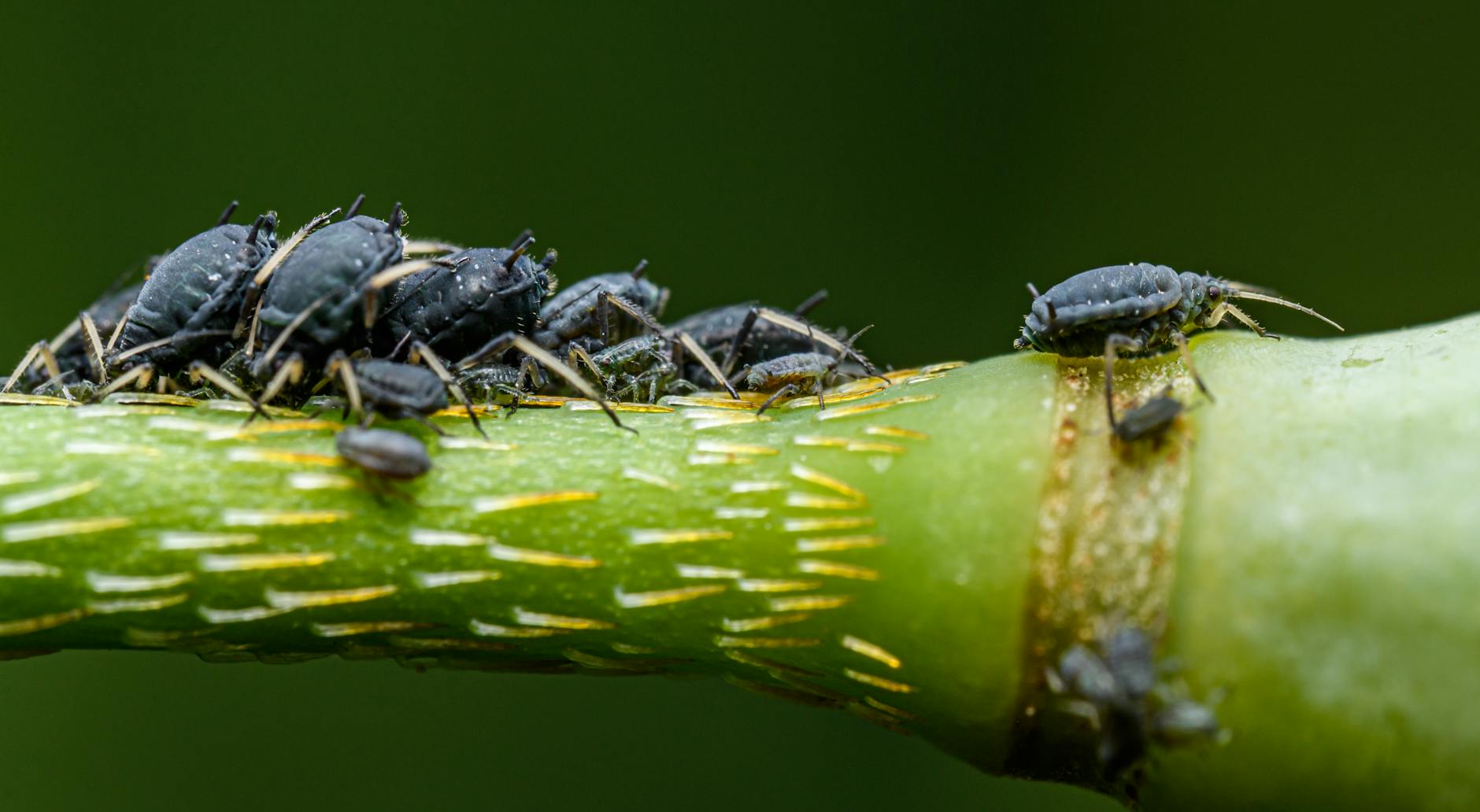
Many common urban garden pests share a similar opportunistic feeding habits, yet their specific morphology dictates the necessary control strategy. Aphids represent one of the most ubiquitous challenges. These tiny, soft-bodied insects congregate on new growth tips or tender stems, extracting phloem sap which compromises the plant’s photosynthetic capacity. When you observe aphids, look for the characteristic sticky residue, often appearing as a pale, waxy film on the underside of leaves, and check for the presence of pear-shaped, immobile insects clustered densely along stems.
Spider mites present a different threat. These are microscopic hunters that thrive in dry, hot conditions frequently found in poorly ventilated urban spaces. Their presence is often signaled by fine, silvery or yellowish stippling across the leaf surface; this symptom results from the mites extracting cellular fluids, leading to chlorosis and eventual bronzing of the foliage. Detecting spider mites requires a closer examination, focusing on the minute webbing that may appear between leaves, which acts as their physical anchor.
Whiteflies are another frequent visitor. These small, winged insects feed by piercing plant tissues and sucking out sap. They often cause the plant to exhibit stunted growth and a dull, bleached appearance over time because the continuous drain of resources starves the plant’s growth mechanisms. Observing whiteflies involves scanning the undersides of leaves for clusters of tiny, cotton-like masses or small, pale, winged insects in flight near the foliage.
Analyzing Damage Patterns for Specific Identification
The key to effective pest control resides in pattern recognition. We analyze how the pest interacts physically with the host plant tissue. For instance, chewing insects leave behind telltale ragged holes or chewed edges on leaves and stems; this pattern strongly suggests caterpillars or beetles are active feeders. Conversely, sucking pests cause systemic damage; a wilting that appears disproportionate to environmental stress, accompanied by sticky residue or fine webbing, points toward mites or scale insects.
We must also consider the implications of pest presence on the broader garden ecosystem. If you notice discoloration or fuzzy growth on the stems or undersides of leaves, this often signals an underlying issue with water retention and air circulation, prompting consideration for Fungus Mold Control in Small Urban Gardens as a necessary parallel step. Many pests thrive when humidity is high; managing moisture levels directly impacts pest proliferation rates.
Recognizing Scale and Specialized Threats
Beyond the common soft-bodied insects, larger or more specialized threats require distinct identification protocols. Stink bugs, for example, are often identified by their distinctive, dark, rounded bodies and their tendency to congregate in dense swarms on specific plant parts, particularly tender new growth. Their feeding mechanism involves piercing and sucking, causing localized damage that can be easily spotted if one scans the foliage closely enough.
Scale insects present a more insidious challenge. These are sessile pests that attach themselves firmly to the plant surface, gradually developing into immobile, armored forms that excrete sticky honeydew. When you see small, waxy bumps or clusters of tiny, immobile insects adhering tightly to stems and leaves, you are likely observing scale. These organisms reproduce slowly but cause chronic, incremental damage by impeding nutrient flow.
Implementing Integrated Pest Management (IPM) Strategies
Once the correct identification is made, the subsequent treatment protocol becomes highly specific. Applying broad-spectrum insecticides indiscriminately disrupts beneficial insect populations essential for natural biological control. A proper IPM strategy focuses on targeted intervention based on the observed infestation density and pest type.
For low-level infestations of aphids or spider mites, mechanical removal often suffices. A strong jet of water can physically dislodge these pests, reducing their population immediately without chemical input. This physical removal works because it removes the immediate source of feeding and allows the plant’s natural defenses to reassert control over the remaining foliage.
When chemical intervention is necessary, selecting the appropriate agent is critical. Insecticidal soaps or horticultural oils work by disrupting the pest’s external cuticle, causing desiccation or suffocation; this mechanism targets the pest directly without broad ecological damage. We observe that these contact treatments are highly effective when applied precisely to the infested areas, minimizing exposure to beneficial organisms residing on the leaf surface.
Structuring for Higher Yields in Small Spaces
Managing pests is one facet of successful small-scale urban cultivation; maximizing spatial efficiency provides another layer of control. When growing vertically or utilizing living structures, the physical environment itself becomes a powerful management tool. Implementing Vertical Gardening: Maximize Yields with Living Walls & Trellises changes the plant’s architecture, often reducing pest access points by positioning plants away from ground-level congregation areas.
Trellising allows vines to grow upward and outward, effectively utilizing vertical space that would otherwise be wasted on horizontal sprawl. This structure not only increases the total biomass harvested but also improves air circulation around the entire canopy, which is a known deterrent for many pests, including mites and some fungal spores. By optimizing light exposure and airflow through strategic placement, we manipulate the microclimate of the garden, making it less hospitable to pest establishment in the first place.
Understanding these biological mechanics allows the gardener to shift from reactive problem-solving to predictive cultivation. The consistent application of knowledge regarding city garden pests identification empowers the urban grower to maintain a balanced, productive, and healthy environment with minimal reliance on harsh chemicals.
Tags: urban gardening, pest control, apartment gardening, aphids, spider mites, indoor gardening, small space gardening
Featured Image by Petr Ganaj on Pexels.