
Understanding Urban Soil pH Dynamics
When engaging in small-scale urban gardening, understanding soil chemistry moves beyond simple guesswork; it becomes a critical operational requirement. The pH level dictates the availability of essential macronutrients for plant uptake, controlling root health and overall photosynthetic efficiency. We observe that city soils often exhibit highly variable chemical profiles because they are frequently amended with various materials—concrete dust, salvaged topsoil, or municipal compost—each introducing distinct mineral compositions. This variability means a generalized approach to watering or fertilization will invariably lead to suboptimal growth outcomes.
The goal in managing urban soil pH is not simply to achieve a specific number, but to establish a stable chemical environment where the target plants thrive. Plants have narrow tolerance windows for nutrient absorption; for instance, phosphorus availability shifts dramatically based on whether the soil is highly acidic or alkaline. This fundamental principle necessitates a diagnostic approach before any intervention occurs. We must first determine the existing state of the substrate before attempting corrective action.
The Impact of pH on Nutrient Availability
Soil pH acts as the master switch governing nutrient solubility. In highly acidic conditions, such as those often found in heavily weathered urban soils, elements like aluminum and manganese become more soluble, while essential micronutrients like calcium and magnesium can become locked up or less accessible to root systems. Conversely, alkaline soils restrict the uptake of iron, zinc, and manganese, causing deficiency symptoms even if these elements are physically present in the soil matrix.
We analyze the relationship between pH and cation exchange capacity (CEC). The ability of the soil to hold onto positively charged nutrient ions is directly modulated by the surface charge of soil particles, which is intrinsically linked to the pH level. When the pH shifts too far from the optimal range—generally considered slightly acidic to neutral for most vegetables—the mechanism of ion exchange becomes inefficient, leading to nutrient lockout regardless of fertilization input. This dynamic interaction requires careful monitoring during the gardening process.
Diagnosing Your Urban Soil pH
Accurate diagnosis requires moving beyond surface observation; we must measure the actual chemical potential within the soil profile. Relying on visual cues is insufficient when dealing with complex urban substrates. The correct methodology involves periodic, quantitative testing to establish a baseline for future adjustments.
Laboratory Testing Versus Field Assessment
While simple field tests offer immediate feedback on perceived plant health, they lack the precision required for long-term remediation strategies. Laboratory analysis provides the necessary data points regarding hydrogen ion concentration, which is the direct measure of pH. This precise measurement allows us to calculate the exact magnitude of the correction needed, minimizing unnecessary amendments and resource expenditure.
We find that inconsistencies arise when practitioners attempt to extrapolate field observations to laboratory readings without understanding soil buffering capacity. Urban soils possess a complex history of material deposition, meaning the pH can fluctuate rapidly depending on the specific layer being sampled. Therefore, sampling should be strategic, targeting the root zone where the plant actively interacts with the medium.
Identifying Sources of Acidity and Alkalinity
The source of the imbalance is often embedded in the materials used to construct or fill urban spaces. Concrete dust, for example, can contribute alkalinity when leached into the soil structure over time. Conversely, certain organic materials decompose, releasing acids that lower the pH significantly. Understanding these input sources informs the necessary counter-measures.
When analyzing a site, we look for evidence of high mineral content from construction debris. This observation points toward the need for specific buffering agents rather than just adding bulk organic matter. Recognizing where the water flows and where amendments settle is crucial to predicting how soil chemistry will respond to future inputs.
Natural Methods for Balancing Urban Soil pH
Correcting an established imbalance requires introducing materials that chemically react with the existing substrate over time, a process we term soil amendment. These natural fixes work by altering the cation exchange complex within the soil structure. We focus on slow-release mechanisms rather than rapid chemical shocks.
Utilizing Organic Matter for Long-Term Adjustment
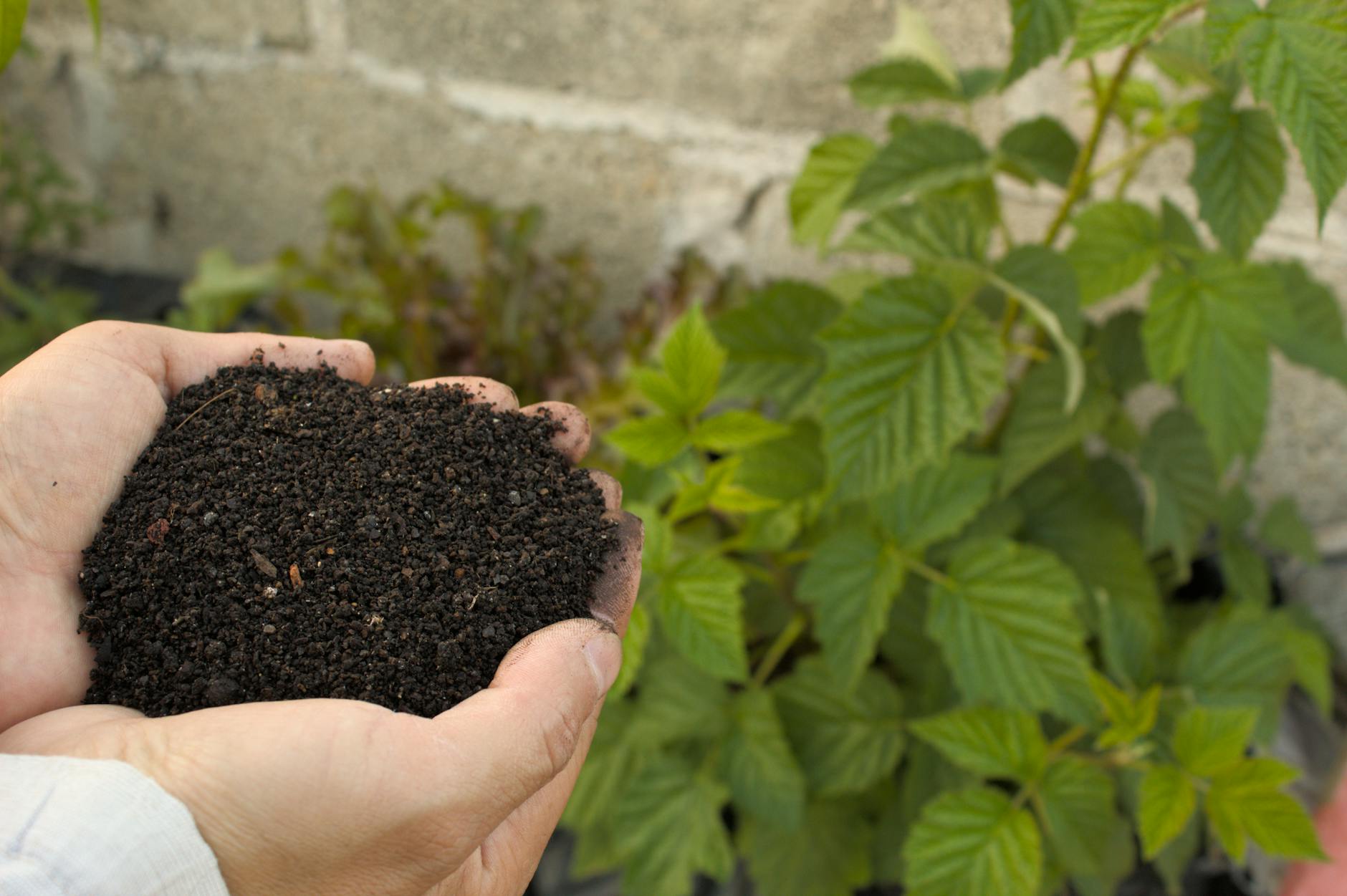
Incorporating high-quality organic matter is perhaps the most sustainable intervention. Compost, well-decomposed leaf litter, and aged manure introduce a long-term buffering effect. As this material breaks down, it releases humic acids and other organic compounds that slowly mediate the soil’s reactivity over months or years. This process mitigates rapid pH swings observed in raw mineral substrates.
When managing compost inputs, paying attention to the moisture content and aeration of the compost pile is essential for microbial activity. Poorly aerated compost results in anaerobic conditions, slowing down the necessary chemical reactions that drive beneficial pH changes. For instance, ensuring adequate water and air exchange in composting systems directly correlates with a more vigorous biological reaction within the substrate. Consider optimizing the process by focusing on factors like Worm Bin Moisture and Aeration: Urban Composting Secrets (https://twigharbor.com/worm-bin-moisture-aeration-urban-composting/).
Strategic Use of Specific Amendments
For immediate or targeted corrections, specific amendments offer predictable results based on their chemical properties. To lower alkaline soil pH, applications of elemental sulfur are a common approach; this allows sulfate-reducing bacteria to facilitate the necessary acid production within the soil matrix. Conversely, raising acidic soils requires the application of agricultural lime, which is primarily calcium carbonate.
When applying lime or sulfur, the rate and method of application must be calibrated to the scale of the area being treated. Over-application can induce phytotoxicity, stressing the plant roots through osmotic imbalance. We must assess the existing soil structure before introducing bulk materials that fundamentally change the medium’s physical properties. For scenarios involving highly compacted substrates, employing specialized amendments designed for these conditions proves more effective; reviewing DIY Soil Amendments for Concrete: Urban Gardening Solutions (https://twigharbor.com/diy-soil-amendments-concrete-urban-gardening/) provides practical context for substrate management.
Integrating pH Management with Composting and Water Management
Soil pH is not an isolated variable; it interacts dynamically with the biological processes occurring within the garden ecosystem, particularly composting and water dynamics. These systems work synergistically to refine the soil chemistry naturally.
The Role of Biological Activity
Microorganisms drive the conversion of organic inputs into stable mineral forms, influencing the overall chemical state. Healthy microbial populations accelerate the decomposition rates, which in turn dictate how quickly amendments integrate into the soil solution. When microbial activity is suppressed by poor aeration or water stress, these beneficial chemical transformations stall. Therefore, maintaining optimal moisture and airflow in composting systems ensures that the biological drivers of pH change operate efficiently.
We observe that high organic matter content provides a reservoir for nutrient cycling. This stored organic material slowly releases minerals that naturally buffer the soil against extreme pH shifts caused by external inputs or natural weathering processes. A rich, biologically active soil resists rapid chemical alteration better than inert substrates do.
Water Application and Chemical Reactions
The method of applying water influences how quickly soil chemicals are mobilized to the root zone. In some cases, consistent irrigation can help maintain a more uniform chemical profile across the root system by ensuring that amendments are distributed evenly. However, excessive irrigation into highly alkaline or acidic soils can exacerbate issues by leaching soluble ions deeper into the profile. This necessitates balancing the input volume with the soil’s inherent buffering capacity.
We must approach water as a delivery mechanism for nutrients and moisture, not simply as a solvent. Understanding the hydraulic properties of the substrate, which are tied to its pH and texture, allows us to manage irrigation precisely, ensuring that the physical and chemical requirements of the plant are met simultaneously. This holistic view transforms gardening from simple maintenance into applied soil science.
Tags: urban gardening, soil chemistry, garden pH, acidic soil, alkaline soil, natural gardening, soil amendment
Featured Image by Juan J. Morales-Trejo on Pexels.