
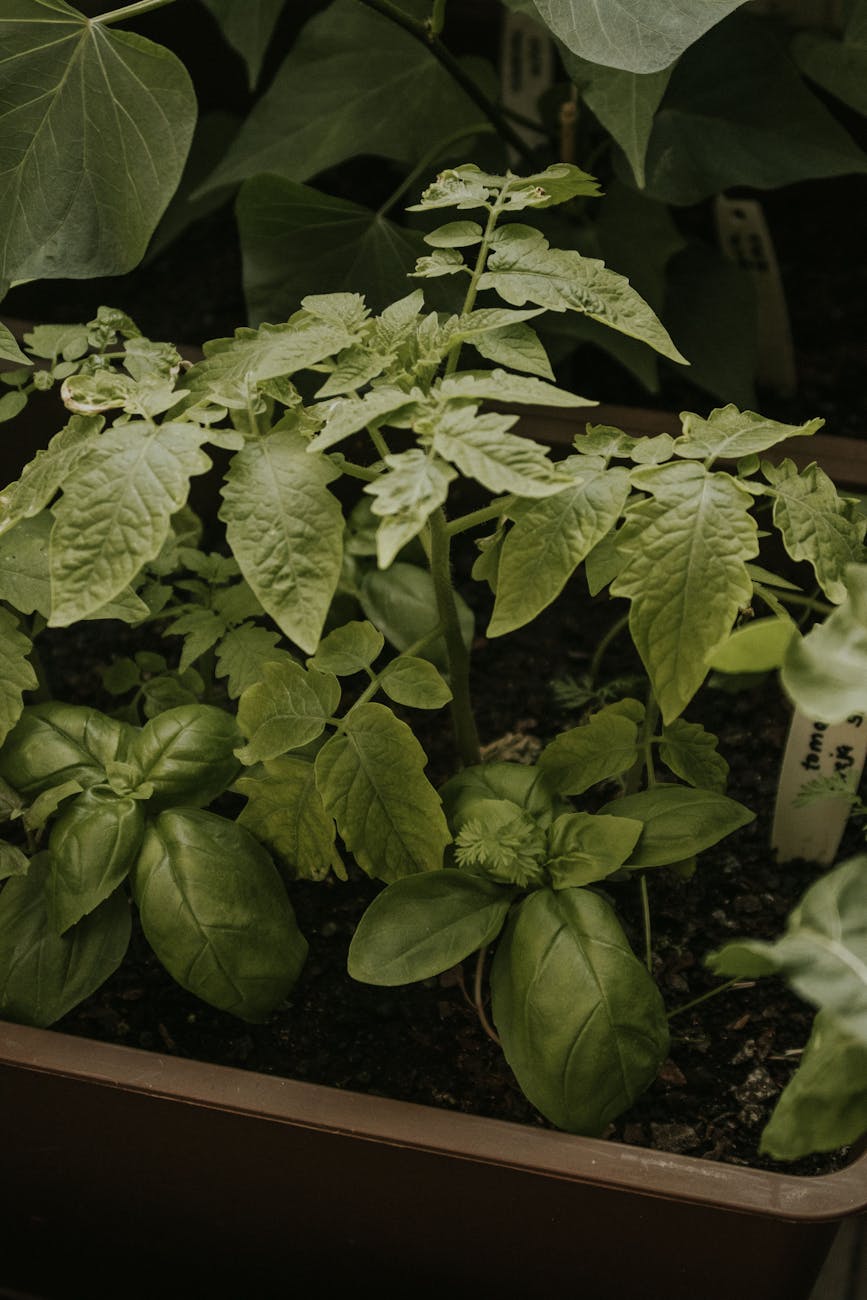
Optimizing Spatial Efficiency Through Companion Planting
When managing limited square footage in an urban setting, every plant placement becomes a calculated decision. We observe that maximizing yield does not solely depend on the volume of soil available; it fundamentally depends on optimizing the symbiotic relationships between adjacent plants. This principle forms the basis of effective companion planting urban gardening. It involves manipulating the microclimate and nutrient cycling within a confined space to enhance overall plant vigor.
We are not simply placing plants near each other; we are engineering an ecological interaction. Consider the principles at play when you arrange herbs next to tomatoes. The goal is to reduce competition for water and nutrients while simultaneously deterring common pests. This strategy shifts gardening from a series of isolated cultivation attempts into a unified, interdependent system.
The Mechanism of Pest and Disease Suppression
One primary mechanism behind successful companion planting involves natural pest control. Certain plant combinations create a chemical environment that actively repels harmful insects. For instance, the strong volatile organic compounds (VOCs) emitted by plants like basil or marigolds can interfere with the olfactory cues that pests use to locate susceptible hosts. This creates an unfavorable sensory landscape for aphids or whiteflies attempting to colonize the space.
We see this effect most clearly when using strong-smelling deterrents. Planting nasturtiums near susceptible vegetables acts as a trap crop; pests often focus their feeding efforts on these more palatable, less nutritious neighbors, effectively diverting them away from your primary crops. This redirection of feeding activity reduces the overall infestation rate across the garden plot.
The concept is rooted in plant chemistry. Some plants produce secondary metabolites—compounds that serve a defensive function against herbivores. When these compounds are released into the immediate environment, they act as a physical or chemical barrier. Our analysis suggests that maximizing this natural defense system minimizes the necessity for external chemical interventions later on.
Nutrient Cycling and Soil Health Dynamics
Companion planting also addresses the dynamics of nutrient acquisition within the soil matrix. Different plant families exhibit distinct root structures and nutrient appetites. Legumes, for example, engage in symbiotic nitrogen fixation with soil bacteria, drawing atmospheric nitrogen and converting it into plant-available forms. When integrated alongside heavy feeders like corn or beans, this process enriches the entire rhizosphere.
This interaction means that plants are not just competing; they are collaborating in cycling resources. The dense root systems established by companion species improve soil aeration. This physical disruption enhances water infiltration and allows beneficial microbial communities to establish themselves more effectively within the growing medium. When you focus on building superior substrate, the subsequent uptake of nutrients becomes exponentially more efficient for all participants.
If you are container gardening, this synergy is even more critical because the volume of soil dictates the concentration of these interactions. Understanding how roots intertwine in pots demands an awareness of shared resource depletion and replenishment cycles. For optimal results in containers, ensuring the substrate composition supports this biological activity is paramount; therefore, selecting the right medium, such as using a high-quality mix like the one detailed in Best Soil Mix for Container Gardening & Urban Vegetables, sets the foundational stage for these beneficial interactions to occur successfully.
Selecting Symbiotic Plant Pairs
The selection process requires an understanding of plant physiology and environmental needs. Successful pairing depends on matching species based on their growth habits, light requirements, and nutritional profiles. We must move beyond simple proximity and look at functional synergy.
Consider the classic pairing of the ‘Three Sisters’: corn, beans, and squash. This arrangement is a prime example of intentional spatial planning. The corn provides vertical support, the beans fix nitrogen into the soil, and the squash creates a living mulch that shades the ground, suppressing weeds and moderating soil temperature. This configuration demonstrates how different functional roles can be integrated efficiently within a small footprint.
When moving to smaller urban spaces, the focus shifts to high-impact pairings. For example, placing aromatic herbs like mint or rosemary near vegetables addresses both pest deterrence and flavor enhancement simultaneously. Mint’s aggressive growth habit acts as an excellent physical barrier against many soft-bodied pests, while its strong scent confuses generalist feeders.
We observe that plants requiring similar amounts of sunlight should be grouped together. Placing shade-tolerant greens near sun-loving fruiting plants minimizes the stress differential across the entire arrangement. This spatial organization directly impacts light penetration and photosynthetic efficiency for every plant involved in the urban gardening setup.
Practical Application for Urban Growers
Implementing companion planting requires an iterative approach, testing hypotheses on a small scale before scaling up. Start by identifying your most vulnerable crops—those susceptible to specific pests or those with high nutrient demands. Then, research established combinations that address those specific vulnerabilities. Do not attempt complex arrangements immediately; begin with simple pairings where the benefits are easily observable.
When you consider vertical space constraints common in city dwellings, maximizing the yield per vertical layer is essential. Container gardening inherently forces this consideration. By employing smart spatial planning, you leverage the limited horizontal real estate to its fullest potential. Resources that would otherwise be wasted on fighting isolated battles against pests or nutrient deficiencies are instead channeled into robust, mutually supportive growth patterns. This strategic approach transforms a collection of pots into a functioning micro-ecosystem.
Tags: companion planting, urban gardening, small space gardening, beginner gardening, plant pairings, container gardening, gardening tips
Featured Image by Letícia Alvares on Pexels.