
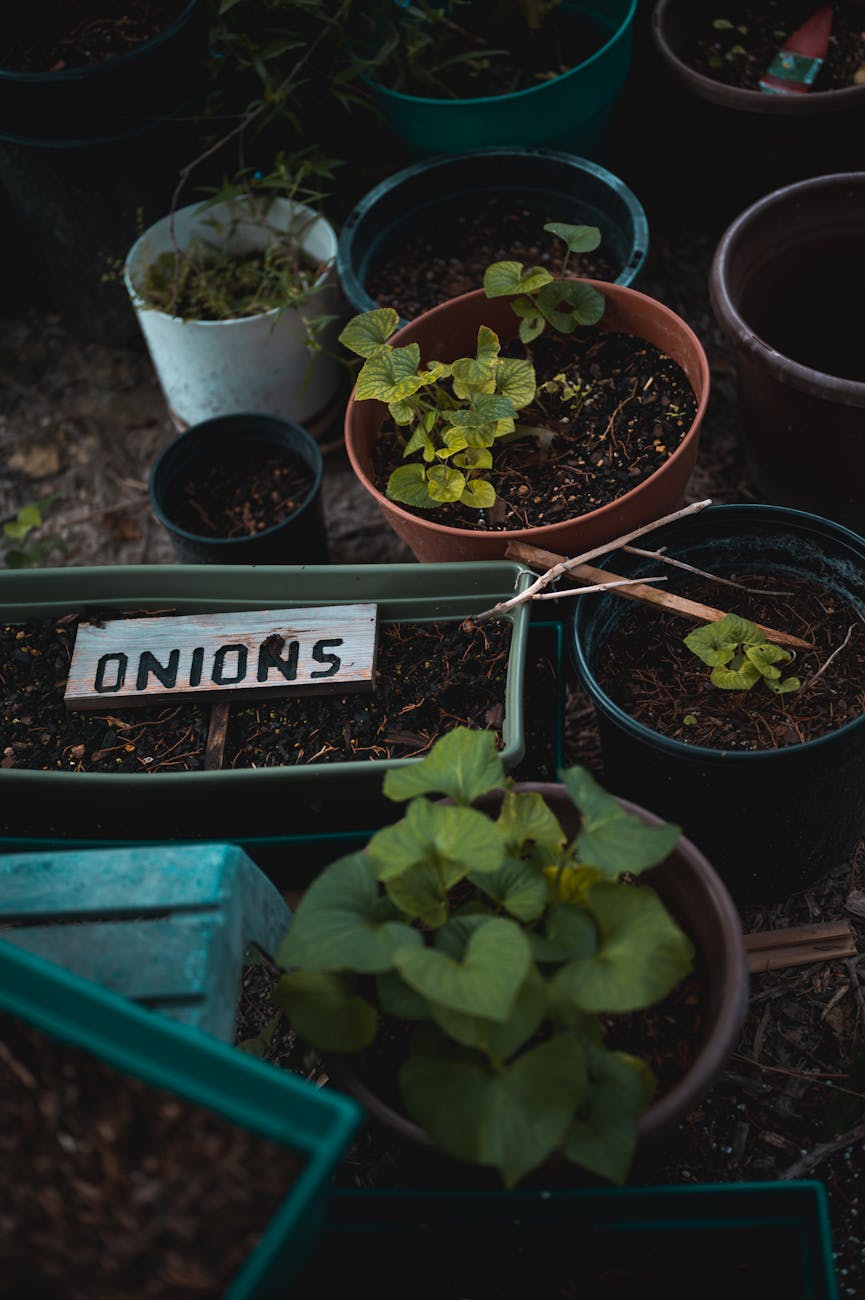
Mastering Space Efficiency: The Science of Container Gardening Yield Maximization
The challenge in small urban gardening is not a lack of space, but a constraint on resource distribution. Containers force us to confront how plant roots interact with finite substrates and available light exposure. Achieving superior yields within these confined geometries requires moving beyond simple placement; we must engage in intentional cultivation strategy. Understanding the mechanics of root competition and nutrient uptake directly dictates how much biomass a container can realistically support. This is where advanced techniques become critical for maximizing every inch of growing real estate.
Optimizing Substrate Depth and Drainage Dynamics
The physical limits of a container dictate the hydrological environment inside it. Shallow pots rapidly experience substrate desiccation, causing roots to reach an unfavorable equilibrium point where nutrient uptake slows dramatically, regardless of external watering frequency. We observe that deeper containers allow for a more stable moisture reservoir, mitigating the stress associated with daily fluctuations in urban microclimates. When setting up your growing system, assess the physical depth you have available before assessing your plant needs.
We must focus on creating an environment where water management is precise. Poor drainage leads to anaerobic conditions, which actively inhibit the microbial processes necessary for nutrient mineralization. If water pools at the bottom of a container, oxygen depletion occurs, suffocating the root zone and impeding nutrient absorption mechanisms. Therefore, ensuring adequate substrate depth allows for better aeration and prevents the formation of these detrimental waterlogged zones. This directly impacts the efficiency of your entire system.
Succession Planting for Continuous Harvest Cycles
A common pitfall in container gardening is treating each pot as a static, single-season entity. True yield maximization involves cycling crops to ensure the growing season remains productive throughout the warmer months. Succession planting manipulates the temporal flow of harvests across a fixed spatial footprint. By introducing new plantings immediately after harvesting older ones, we maintain consistent biomass production rather than experiencing a sharp decline mid-season.
Consider rotating your plantings based on their growth rate and maturity cycle. Plant fast-maturing greens like lettuce or radishes in early spring to provide an immediate, manageable yield. Once these are harvested, you can immediately introduce slower-growing root vegetables or more robust herbs into the vacated space. This strategy minimizes the idle time between harvests. We see that this continuous turnover prevents substrate exhaustion and maximizes the overall annual caloric output from a limited area.
Nutrient Delivery Mechanisms: Beyond Simple Feeding
Container gardening demands a highly managed nutrient profile because the soil volume is so restricted; nutrients are depleted much faster than in an in-ground setting. Plants in containers rely almost entirely on the provided medium for their entire nutritional supply, making precise feeding non-negotiable. We analyze the relationship between plant demand and substrate capacity when determining feeding schedules.
The primary mechanism of yield enhancement involves ensuring that essential macro- and micronutrients are available exactly when the plant requires them for active growth phases. This often means supplementing based on observed growth rates rather than strictly adhering to a fixed calendar schedule. For instance, plants in the intense light exposure typical of urban balconies require higher concentrations of certain elements to support photosynthesis efficiently.
When formulating your feeding regimen, remember that the quality of the base matter dictates the uptake potential. We find that amending the initial soil structure significantly influences long-term nutrient retention. Investing time into preparing the medium correctly sets the stage for successful yield maximization far better than simply adding soluble fertilizers on top. For optimal foundational health, understanding how to amend your starting material is paramount; examine resources concerning Soil Secrets for City Growers: Test & Amend Your Balcony Soil.
Strategic Companion Planting in Constrained Environments
Even with limited space, we can manipulate plant proximity to create synergistic growth effects. Companion planting is not merely about aesthetics; it involves managing resource competition and mitigating pest pressure through biological interaction. By strategically placing certain species adjacent to others, we influence the microclimate of the entire growing area.
Plants release volatile organic compounds that can inhibit the growth of competitors, effectively carving out space for themselves. This spatial negotiation allows multiple types of produce to coexist in a small footprint without significant yield reduction. For example, positioning certain aromatic herbs near fruiting vegetables can create a localized environment less susceptible to certain insect pressures. Research into Companion Planting for Small Urban Gardens: A Beginner’s Guide demonstrates that this proximity effect is a tangible driver of yield stability in small systems.
Light Intensity and Root Architecture
Light exposure remains the most fundamental limiting factor when dealing with container constraints. In dense urban settings, light quality and intensity fluctuate based on surrounding architecture, neighboring foliage, and the orientation of the container itself. Understanding photoperiodism and light intensity allows us to position crops optimally for maximum photosynthetic efficiency.
Plants respond to light gradients by altering their root architecture; they grow downward or outward to capture the most available energy photons. If a plant is shaded by an adjacent structure or dense foliage, its growth pattern shifts, potentially leading to leggier stems and reduced root density. We must orient plants based on observed light patterns throughout the day. This careful assessment ensures that every cell in the plant is dedicated toward biomass production rather than defensive shading. Maximizing light interception directly translates into maximizing potential yield per square foot of container surface.
Water Management Protocols for Peak Efficiency
Watering containers requires a shift from reactive watering to proactive hydrological management. The goal is to deliver sufficient moisture to support root function without inducing water stress or promoting disease vectors. Overwatering is perhaps the single greatest destroyer of container yields, as it creates the perfect environment for fungal pathogens and nutrient lockout.
We must establish a consistent method for assessing soil moisture content before initiating any irrigation cycle. Using simple methods, such as probing the substrate to a depth of two inches, provides a tangible measure of water availability at the root zone level. When applying water, prioritize deep, infrequent saturation over shallow, frequent sprinkling. This encourages roots to grow deeper into the medium, accessing greater water reserves and improving overall structural integrity against drought stress. Mastering this precise control over moisture delivery is a core element of container gardening yield maximization.
Tags: container gardening, urban gardening, yield maximization, small space gardening, container gardening tips, succession planting, container growing
Featured Image by Alfo Medeiros on Pexels.