
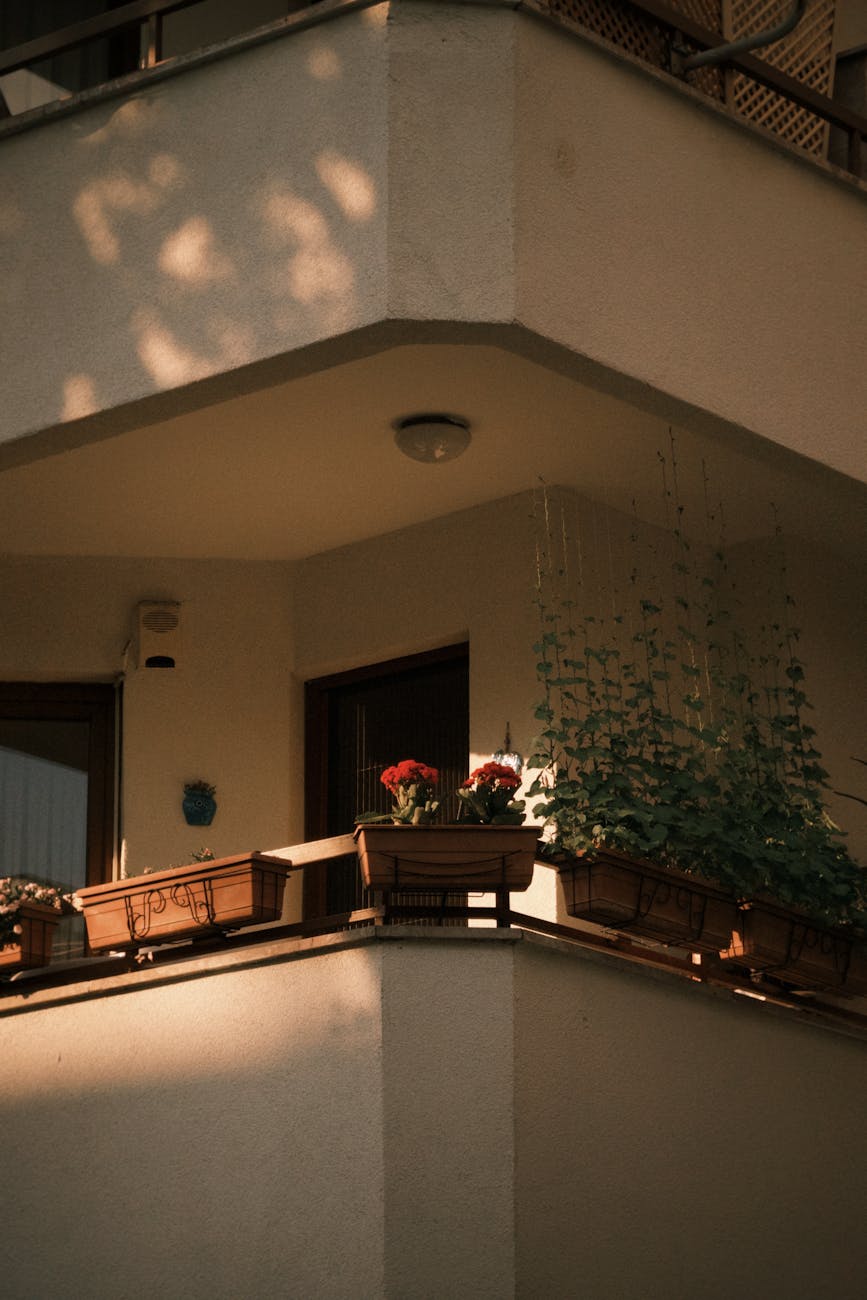
Mastering Light Management for Balcony Flora
The success of any urban gardening endeavor hinges entirely on accurately assessing the light profile available at a specific location. Balconies present an incredibly dynamic environment, shifting dramatically based on orientation, surrounding architecture, and the presence of neighboring structures. We observe that what appears to be “shady” one afternoon might receive intense, unfiltered direct sun later, meaning relying on a single visual assessment is insufficient for horticultural success. Therefore, understanding the light mechanics—the intensity, duration, and angle of photons hitting the growing medium—becomes the primary mechanism for selecting appropriate plant material.
Shade tolerant balcony flowers thrive not just in areas that receive minimal direct sun, but in microclimates where light exposure fluctuates predictably throughout the day. We need to move past generalized assumptions about shade; we must analyze the light quality itself. Low-light conditions often necessitate plants with lower photosynthetic demands, which directly informs our selection process for shade tolerant balcony flowers. This involves understanding the difference between dappled shade, partial shade, and deep shade, as these categories dictate the necessary chlorophyll production rates for sustained growth.
Analyzing Light Intensity and Quality
Light intensity is measured in terms of Photosynthetically Active Radiation (PAR), which dictates how efficiently plants can convert light energy into chemical energy. In densely built urban environments, structures cast significant shadows that reduce PAR levels substantially. Plants adapted to these lower-intensity conditions possess specialized photosynthetic pathways; they optimize their light-harvesting antennae to capture diffuse or low-intensity light effectively. Conversely, plants requiring high light exposure must be strategically placed where ambient illumination is maximized throughout the daylight cycle.
The quality of the light also matters immensely. Direct, intense midday sun, even if not excessively hot, can cause photoinhibition and leaf scorching in sensitive varieties. Plants selected for shady spots often exhibit higher concentrations of protective pigments to mitigate this stress, which is a measurable adaptation within their physiology. We see that plants thriving in these conditions are physiologically acclimated to lower light saturation points than their sun-loving counterparts.
Selecting Appropriate Flora for Specific Light Gradients
When designing a balcony garden, we must map the light exposure across the entire space before introducing any species. Plants designated as shade tolerant balcony flowers are those that possess reduced light requirements compared to sun-loving varieties. These selections allow us to manage expectations and ensure plant survival in less illuminated zones. For instance, ferns and certain shade-loving perennials demonstrate an efficient mechanism for utilizing lower PAR levels without experiencing growth stunting or chlorosis.
Exposed areas, conversely, require species capable of handling high light saturation. These plants must possess robust mechanisms for managing excess energy to prevent cellular damage while maximizing biomass accumulation. This differential requirement necessitates a careful spatial arrangement; grouping plants with similar light needs minimizes the stress on any single group. Our analysis suggests that mixing highly demanding and extremely shade-demanding species in close proximity introduces unsustainable physiological conflict.
Optimizing Substrate and Root Environment
The medium into which these plants are rooted acts as the primary interface between the plant’s root system and the external environment, controlling water retention, nutrient availability, and aeration. In container gardening, substrate choice is not merely about filling a pot; it involves engineering a stable, supportive environment for root respiration and nutrient uptake. Poor substrate quality leads directly to compromised water dynamics and inhibited nutrient assimilation.
The Role of Soil Structure in Urban Containers
For balcony settings, the goal shifts from bulk volume to maximizing the porosity and water-holding capacity of the growing medium. Standard garden soil, when used unmodified in containers, often compacts excessively, restricting oxygen flow to the roots and promoting anaerobic conditions that inhibit healthy microbial activity. We observe that utilizing specialized mixes allows us to manipulate this structure effectively.
When dealing with concrete or hard surfaces common in urban settings, the substrate needs specific engineering. The structural integrity of the container material interacts directly with the soil composition; therefore, incorporating amendments becomes a necessary step for long-term viability. Understanding how roots interact with these inert materials informs decisions regarding aeration and drainage design within the pot itself.
Implementing Soil Amendments for Optimal Root Health
Introducing organic matter is critical because it enhances the substrate’s ability to manage water and nutrient cycling. Decomposing organic material creates pore spaces, facilitating air exchange—a necessity for aerobic root respiration. We find that incorporating materials like compost significantly increases the substrate’s cation exchange capacity, allowing it to retain essential mineral nutrients rather than leaching them away immediately upon watering.
For urban environments where soil structure is inherently poor due to compaction or proximity to concrete, specific amendments provide necessary structural support. Implementing solutions for DIY Soil Amendments for Concrete: Urban Gardening Solutions allows us to build a functional root zone where none naturally exists. These amendments facilitate the creation of an environment that supports healthy microbial communities which, in turn, drive nutrient cycling essential for plant metabolism. We are essentially engineering the soil properties to compensate for environmental limitations.
Water Management in Variable Light Conditions
Water delivery is intrinsically linked to light exposure and substrate composition; plants under intense sun require more frequent hydration cycles than those adapted to lower light conditions. The rate of evapotranspiration changes based on the intensity of incident radiation, meaning a plant in full sun will experience greater water loss per unit time compared to one in deep shade.
Managing this dynamic requires an understanding of the plant’s physiological response. Shade-loving plants often possess thicker cuticles or adapted root systems that manage moisture retention more efficiently under lower evaporative stress. Conversely, high-light demanding species require consistent moisture input to prevent wilting and subsequent metabolic shutdown. Observing patterns in watering schedules relative to light exposure allows us to fine-tune irrigation protocols for maximum efficiency.
Adapting Irrigation Strategies Based on Light Exposure
When selecting shade tolerant balcony flowers, the risk of overwatering must be carefully mitigated because the roots in these environments are more susceptible to asphyxiation if the substrate remains saturated too long. We monitor soil moisture content rather than adhering strictly to a fixed calendar schedule. Utilizing moisture meters provides empirical data regarding the actual water potential within the root zone, which is far more reliable than external observation alone.
For plants thriving in high light, consistent moisture delivery ensures that the necessary turgor pressure is maintained for optimal stomatal function and CO2 uptake. The mechanism here involves balancing the rate of water loss with the rate of replenishment, a process highly dependent on the substrate’s ability to buffer these changes. We observe that fluctuating light patterns necessitate responsive watering techniques rather than static routines when managing diverse plant life in constrained urban spaces.
Tags: balcony gardening, shade tolerant plants, urban gardening, balcony flowers, container gardening, shade gardening, city gardening
Featured Image by Khadijah Karaca on Pexels.