
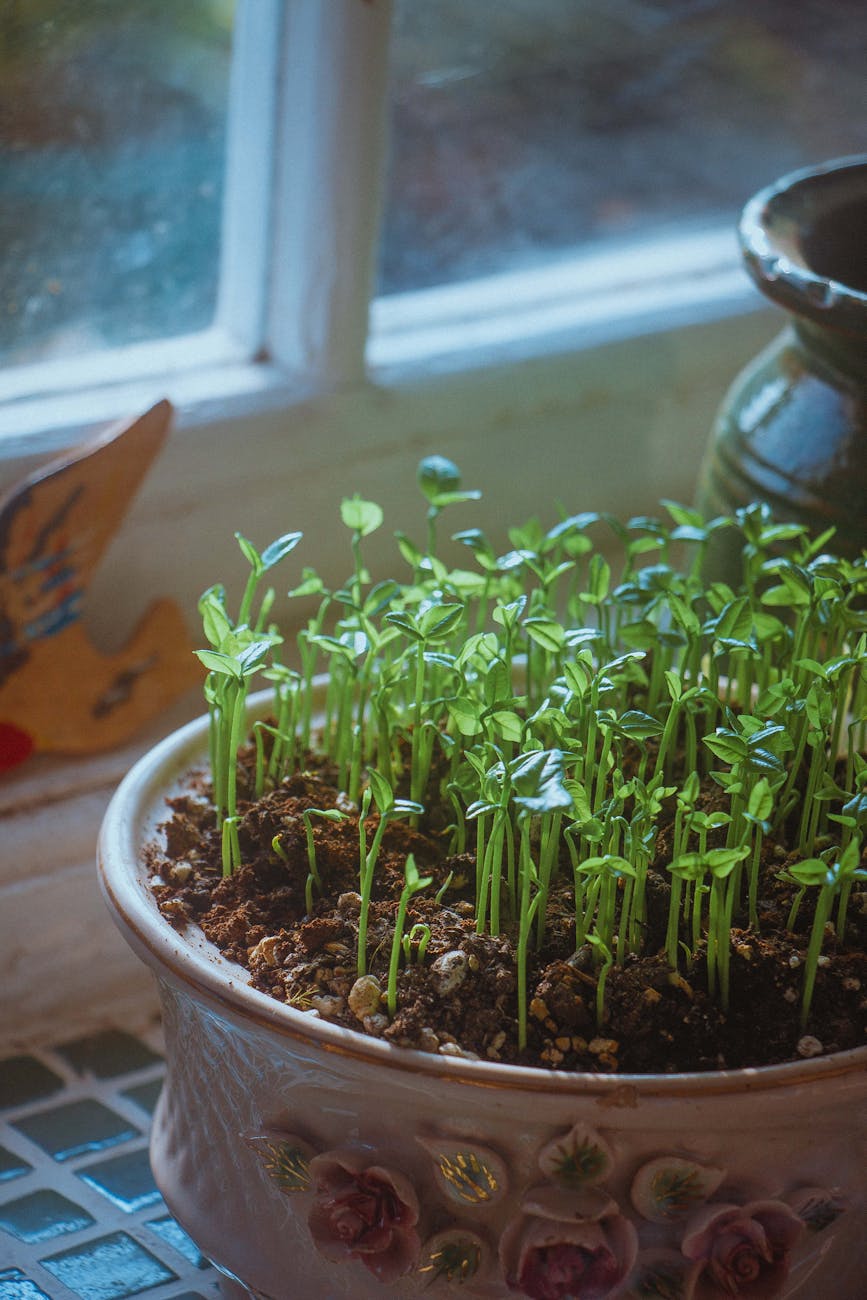
Optimizing Conditions for Seed Starting Indoors
When initiating seeds indoors, the primary objective shifts from simple planting to precise environmental manipulation. We are essentially mimicking optimal external conditions inside a controlled environment, which requires understanding the specific physiological needs of germinating seeds and the subsequent growth stages. Observing the data, we see that success hinges on controlling temperature, moisture retention, and light intensity with acute accuracy. A common pitfall for new urban gardeners is assuming standard indoor room temperatures translate directly to ideal seed development; this assumption invariably leads to stunted or failed germination rates.
The mechanism of germination itself is highly sensitive to these external variables. Seeds require a specific thermal trigger to initiate metabolic activity within their embryo, and deviations from this threshold can cause dormancy or irreversible damage. Understanding this process dictates the necessary setup for successful seed starting indoors urban gardening. We must move beyond simple surface watering and delve into the physics of root development.
Establishing the Ideal Thermal Profile
Temperature acts as the master regulator for all biological processes within the seed. For most common vegetables and herbs, warm soil temperatures accelerate the imbibition process—the critical uptake of water necessary to break dormancy. If the environment is too cool, metabolic rates slow dramatically, delaying or preventing successful sprouting. We observe that optimal germination typically occurs when the substrate temperature remains consistently between 70 and 85 degrees Fahrenheit.
When setting up your indoor station, utilize a heat mat positioned beneath the seed trays. This provides a consistent thermal gradient that prevents cold spots near the seeds, which is a significant mechanical failure point in many novice setups. Insufficient heat results in slow, erratic sprouting, whereas excessive heat can cause rapid moisture loss and fungal proliferation if ventilation is inadequate. We need to ensure the energy input directly supports the seed’s internal biochemistry without causing thermal shock.
Mastering Moisture Management Protocols
Moisture is arguably the most challenging variable to manage successfully during the initial indoor phase. Seeds require consistent, gentle hydration; they cannot tolerate waterlogged conditions, which create anaerobic environments ripe for microbial decay. Conversely, desiccation halts growth entirely. The ideal moisture level must balance the need for constant imbibition with the risk of root rot development.
We find that using a substrate that retains moisture without becoming saturated is crucial. Peat-based mixes or coco coir are generally preferred because they provide excellent water retention capacity while allowing adequate aeration around the developing roots. Applying water should be done sparingly, focusing on saturation rather than flooding. A small amount of water applied consistently allows for steady, controlled imbibition across the entire seed mass. Monitoring the substrate’s moisture level daily provides immediate feedback on whether the current hydrological regime is supportive of germination or if corrective action—such as adding a thin layer of water—is required.
Light Requirements and Photoperiod Control
Light energy dictates photosynthesis, which is the engine driving plant growth; therefore, its intensity and duration must be meticulously calibrated when starting seeds indoors. Seeds require significant light exposure to transition from dormancy to active vegetative growth, and insufficient photons result in etiolated, weak seedlings lacking necessary structural integrity. The mechanism here is simple yet profound: light signals the plant to deploy energy for biomass accumulation.
The type of light source matters immensely. Low-intensity fluorescent bulbs often fail to provide the necessary Photosynthetically Active Radiation (PAR) required for robust seed development. We observe that full-spectrum LED grow lights offer superior efficacy because they deliver concentrated wavelengths directly into the spectrum plants utilize most effectively. When selecting your lighting system, prioritize those capable of delivering high Photosynthetic Photon Flux Density (PPFD).
We must account for the light distance. Placing seedlings too close to the light source can cause photoinhibition, where excess light damages the developing tissues. We recommend maintaining a specific distance calibrated to the intensity output of your chosen fixture, ensuring even illumination across all trays. This spatial relationship is as critical as the light’s spectral quality itself.
Controlling Photoperiod for Vegetative Growth
The duration of light exposure, or photoperiod, influences the plant’s internal circadian rhythms and growth patterns. For most indoor starting procedures, a consistent 16-hour light/8-hour dark cycle simulates natural daylight conditions effectively. This predictable rhythm allows the seedling to establish robust root systems before the transition to outdoor conditions.
When managing your indoor space for urban gardening, consider how vertical space impacts light distribution. If you are utilizing vertical methods, such as stacking containers or using shelving units, ensure that light penetration is uniform across all levels. Shadowing one plant can inhibit the growth of its neighbors through differential resource acquisition. Maximizing exposure means eliminating occlusions where possible, allowing every seed to access the necessary energy input equally.
Substrate Selection and Potting Mechanics
The growing medium serves as the physical anchor for the developing root system while simultaneously regulating the moisture and nutrient exchange. Selecting the appropriate substrate is not merely about filling a container; it is about engineering a stable micro-environment around the delicate seed. A poor choice here introduces systemic weaknesses that compound throughout the plant’s life cycle.
We analyze various media based on their capacity for aeration, water retention, and microbial activity. Standard garden soil, when used directly in containers without modification, often compacts too easily, suffocating emerging roots and impeding the necessary gas exchange. Therefore, amendments are frequently necessary to enhance the physical properties of the medium.
Balancing Aeration and Retention
The substrate must possess a delicate equilibrium between holding sufficient moisture for prolonged imbibition and providing ample air pockets for root respiration. We see that using pure, dense potting mixes often results in anaerobic conditions near the root zone when moisture levels fluctuate slightly. Introducing organic materials like perlite or coarse sand mechanically increases the pore space within the medium. This increased porosity ensures that oxygen can reach the developing roots efficiently, preventing the stagnation that leads to root rot.
For urban settings where space is constrained, utilizing vertically oriented growing systems becomes a critical strategy for maximizing usable surface area. When optimizing these small footprints, techniques like Maximize Yields with Vertical Gardening in Small Urban Spaces allow you to stack layers of growth efficiently while maintaining superior access to light and air circulation for every plant unit.
Nutrient Delivery in Early Stages
While seeds require minimal nutrient input initially, the medium must be primed for future feeding. Introducing a balanced, slow-release organic fertilizer into the substrate at the time of planting ensures that the seedling has immediate access to essential macro- and micronutrients upon germination. This preemptive nutrient delivery bypasses the initial lag phase where seedlings are most vulnerable to nutritional deficiency. The mechanism here is establishing a foundational nutrient reservoir directly into the growing medium, ensuring efficient uptake from the moment the first root emerges.
Transitioning to Outdoor Cultivation
The indoor seed starting phase is merely preparatory work; the true test of the urban gardener’s skill lies in successfully executing the transition to outdoor cultivation. Moving seedlings from a highly controlled environment to the dynamic conditions of the outdoors introduces several new variables that demand heightened observational skills.
The shift involves managing intense solar radiation and significantly increased evaporative water loss rates. Seedlings must adapt their physiological responses to these greater environmental stresses without experiencing fatal shock. Exposure to direct, unfiltered sunlight for prolonged periods demands careful monitoring to prevent scorching or desiccation while simultaneously encouraging robust stem elongation.
We observe that the timing of this transition is dependent on the specific plant species and the local microclimate conditions within the urban environment. Before transplanting, seedlings must exhibit sufficient root mass and stem strength; otherwise, they lack the structural integrity required to withstand the mechanical stresses of outdoor growth. Successful transplantation requires assessing the seedling’s ability to self-regulate water uptake and manage light intensity before exposure to the full environmental spectrum.
If you are considering integrating soil management into your small urban space, establishing a closed-loop nutrient system proves highly advantageous. Implementing techniques such as Urban Worm Farm: Vermicomposting for Balconies & Small Yards offers a method for recycling organic waste into nutrient-rich compost. This creates a localized, sustainable source of amendments that feeds the garden directly, minimizing reliance on external inputs and optimizing resource cycling within your immediate environment. This integration demonstrates how different systems—indoor starting, substrate engineering, and closed-loop feeding—interconnect to produce resilient urban harvests.
Tags: seed starting, indoor gardening, urban gardening, beginner gardening, seedlings, small space gardening, seed starting indoors
Featured Image by TIVASEE . on Pexels.