
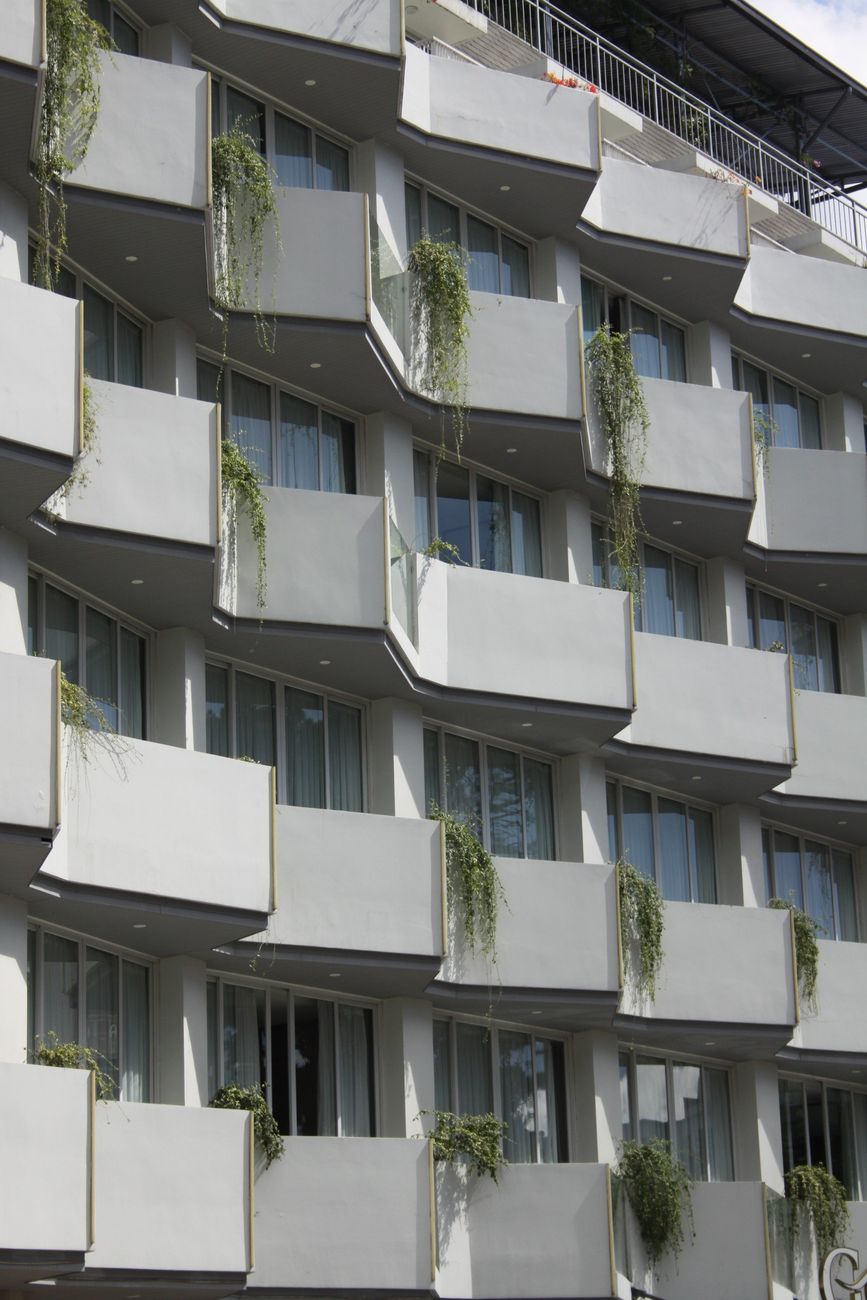
Maximizing Space: The Mechanics of Vertical Gardening Systems
The constraint of limited horizontal space in urban environments demands a shift in cultivation strategy. When we consider balconies and exterior walls, the potential growing area expands exponentially into three dimensions. This realization drives the adoption of vertical gardening systems, transforming neglected architectural surfaces into productive ecosystems. We are not simply stacking pots; we are engineering an interface between horticulture and built structure, optimizing light exposure, water distribution, and root environment simultaneously. Understanding the mechanics behind these setups is crucial for achieving successful, sustained urban cultivation.
Analyzing Structural Load and Material Selection
Before any installation commences, a rigorous assessment of the substrate’s capacity is necessary. We observe that the weight load exerted by saturated soil and moisture-laden plants must be factored against the structural integrity of the balcony or wall material. For concrete slabs, for example, excessive saturation can lead to long-term deterioration; therefore, proper drainage pathways are non-negotiable engineering considerations.
We see various mounting methods emerge in this field, each presenting a distinct set of mechanical challenges. Choosing between modular pocket systems, stacked pallet designs, or custom-built shelving requires an understanding of the substrate’s density and the wall material’s tensile strength. A failure to account for these physical constraints results in system collapse or structural damage, which is unacceptable in a residential context. We must calculate the potential stress points before introducing living biomass into the equation.
Hydroponic vs. Soil-Based Vertical Solutions
The choice between water-based and soil-based vertical systems dictates the necessary management protocols for nutrient delivery. Soil-based approaches offer familiarity; they allow plants to utilize traditional growing media, but managing water retention across multiple stacked layers presents a complex hydrological challenge. You must control capillary action effectively so that upper levels receive adequate moisture without oversaturating the lower ones.
Conversely, hydroponic or semi-hydroponic vertical setups introduce precise control over nutrient delivery via recirculating or drip systems. This method allows for highly efficient use of water resources, as excess runoff is captured and cycled back into the system. The mechanism here relies on controlled root zone saturation rather than bulk soil volume. When designing a wall system, the plumbing integration—the pipes, reservoirs, and distribution channels—becomes the primary design element alongside the plant support structure.
Optimizing Light Penetration and Plant Placement
Light is the ultimate limiting factor in any growing environment. In vertical setups, light exposure is uneven; plants positioned lower on a wall or balcony will inevitably experience shading from those situated above them, directly affecting photosynthetic rates. Our analysis shows that plant species selection must be correlated with the orientation and proximity of other elements.
We observe that specific foliage types thrive under varying light intensities. For instance, shade-tolerant herbs may perform better in areas receiving indirect morning sun, while sun-loving vegetables require intense, direct exposure. This interaction between plant biology and physical placement requires iterative testing in practice. Consider how companion planting strategies interface with vertical arrangements; grouping plants with complementary light needs can enhance overall system productivity. We see clear benefits when pairing certain species, as detailed in resources like Companion Planting for Maximum Yields in Small Urban Gardens.
Designing for Specific Microclimates
Each balcony and wall experiences a unique microclimate determined by exposure to prevailing winds, solar gain patterns, and thermal mass. These environmental variables influence evapotranspiration rates significantly, directly impacting the water demands of the plants housed within the vertical structure.
Understanding these localized conditions allows us to select appropriate growing media mixes. In areas prone to intense afternoon sun, systems require materials that can manage high surface temperatures without causing root burn. Conversely, shaded wall sections benefit from moisture-retentive substrates that buffer against rapid desiccation during cooler periods. Furthermore, selecting the right flora for the specific spatial context is paramount; knowing what thrives where dictates long-term success over short-term aesthetic appeal. When selecting plants for these exposed areas, consulting guides on suitable flora, such as Balcony Bloom Secrets: Choosing Flowers for Your Urban Microclimate, provides a foundational understanding of plant tolerance in these specific conditions.
System Maintenance and Long-Term Viability
The complexity of vertical systems scales the maintenance requirement. Water delivery mechanisms, drainage channels, and nutrient reservoirs all require periodic inspection for blockages or leaks. A small blockage in one channel can halt the entire system’s hydration cycle, causing stress across multiple levels simultaneously.
Regular monitoring of substrate moisture is essential; overwatering leads to anaerobic conditions where roots suffocate, while underwatering causes rapid systemic failure. Developing a routine involves establishing clear visual checks for moisture gradients and nutrient solution levels. This proactive approach shifts maintenance from reactive crisis management to preventative system upkeep. We must treat the entire vertical structure as a singular, interconnected living machine that requires constant calibration. The success of these ambitious urban gardening experiments relies on treating the physical structure and the biological processes with equal analytical rigor.
Tags: vertical gardening systems, urban gardening, balcony gardening, wall gardening, DIY gardening, small space gardening, container gardening
Featured Image by Hoang Thanh Giang on Pexels.