
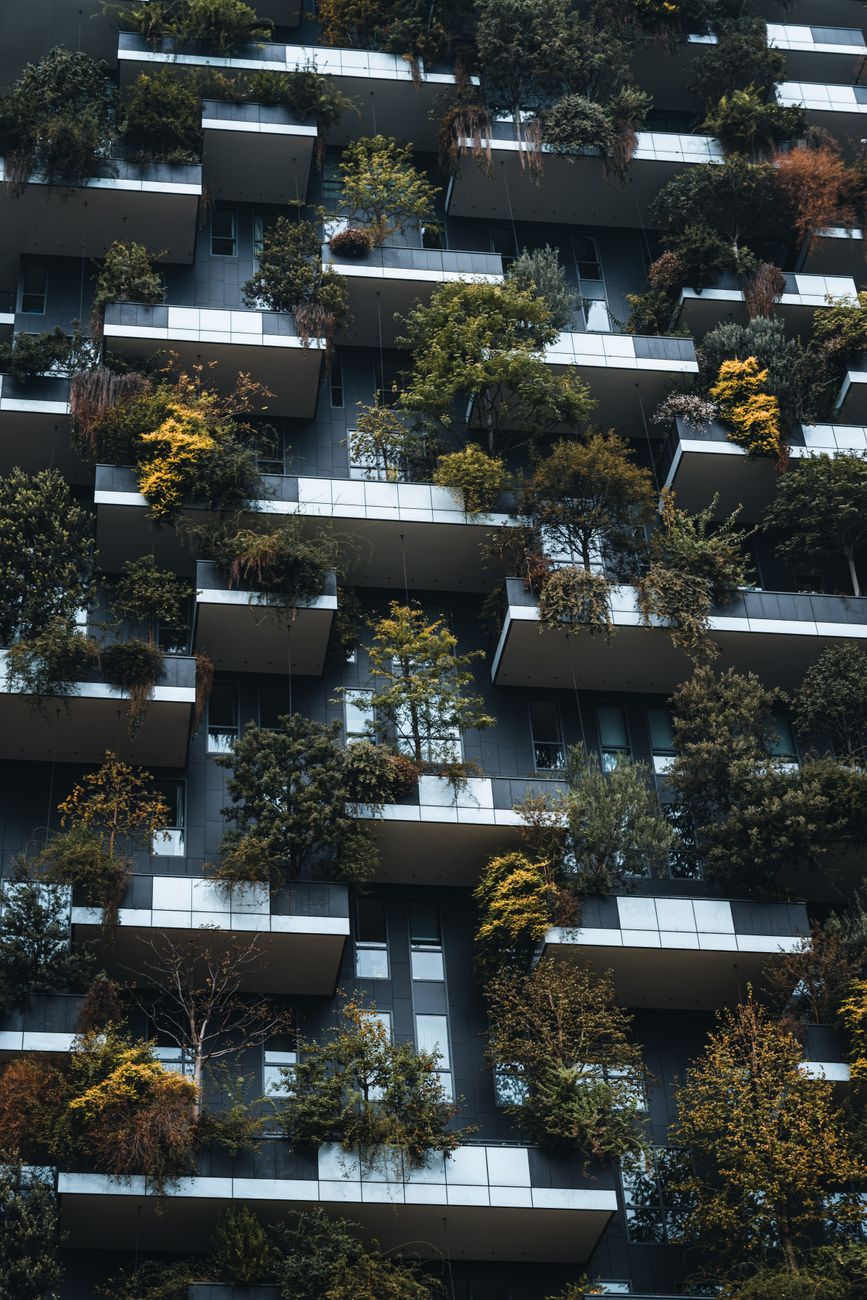
Engineering Space: How Vertical Gardening Optimizes Urban Yields
When confronting the spatial constraints of an urban environment, maximizing photosynthetic surface area becomes the primary engineering challenge. We observe that traditional horizontal gardening methods often lead to inefficient use of vertical real estate. By implementing vertical gardening techniques, we fundamentally alter the growth dynamics, forcing plants into a more productive three-dimensional configuration. This approach directly addresses the scarcity inherent in city living by multiplying potential growing zones within a limited footprint.
The mechanism at play involves optimizing light exposure and root access simultaneously. In dense urban settings, sunlight penetration can be uneven, meaning strategic placement is crucial. Vertical structures allow growers to stack plants, ensuring that lower-growing crops receive adequate direct light while higher-reaching vines utilize ambient light effectively across the entire vertical plane. This stratification mitigates shading effects that plague ground-level cultivation.
Structural Mechanics of Trellising Systems
The selection and installation of support structures define the success of any vertical system. We are not simply placing plants against a wall; we are installing an ecological framework. Trellises, stakes, and netting must be rated to handle the cumulative weight of mature, water-saturated biomass. Observing successful implementations, materials like sturdy metal or treated lumber offer superior tensile strength compared to flimsy alternatives.
For climbing crops such as beans, cucumbers, and tomatoes, the support system must be robust enough to manage the sheer mechanical stress exerted by vigorous growth. A weak structure will inevitably fail, leading to crop collapse and wasted potential. We analyze the load-bearing capacity required based on plant density and expected yield. This engineering consideration directly impacts long-term sustainability.
Optimizing Plant Placement for Maximum Photosynthesis
The way plants interact with their environment dictates their output. In a vertical setup, we manipulate light interception rates significantly. When vines are trained along a trellis, the leaves develop an increased surface-area-to-volume ratio relative to a densely packed horizontal row. This exposure maximizes the opportunity for chlorophyll production under available light conditions.
Consider the specific requirements for different plant types. Tomatoes, for instance, require substantial vertical support to manage their sprawling canopy and prevent stem breakage. Beans thrive when trained upward, allowing their growth to follow the structural lines provided. This intentional training directs metabolic energy toward biomass accumulation rather than unproductive lateral spread. We see a measurable increase in fruit production when this geometric constraint is imposed effectively.
Integrating Water Management into Vertical Systems
A common pitfall in intensive gardening is neglecting resource allocation across different growing planes. When cultivating vertically, the distribution of moisture becomes inherently uneven. The soil volume available per plant is often reduced compared to deep beds. Therefore, meticulous water management becomes an essential operational component. We must account for runoff and ensure that moisture is distributed efficiently throughout the root zone of each tier.
Mastering water management in container gardens requires a nuanced approach; this principle scales directly to vertical systems. If one section of a trellis receives excessive saturation while another remains dry, the entire system suffers from differential stress. Understanding substrate porosity and drainage rates becomes paramount when stacking containers or planting densely against a vertical plane. Reference guides on managing moisture levels are necessary for this delicate balance. For instance, mastering the principles of watering tiny pots requires understanding how water moves through the substrate; this awareness translates directly to managing runoff across multiple tiers.
Selecting Appropriate Containers and Substrates
The choice of vessel dictates the capacity for root development and water retention. When utilizing vertical gardening, containers must be selected based on their ability to sustain long-term moisture equilibrium under varying conditions. We need to assess container material, depth, and drainage holes meticulously.
Choosing containers for small urban gardens involves weighing volume against structural integrity. Shallow pots limit root depth, restricting the plant’s access to necessary water reserves during dry spells. Deeper, well-draining containers allow roots to establish themselves securely, which is critical when supporting heavy fruiting plants like tomatoes. The substrate filling these vertical spaces must possess the correct balance of aeration and water retention capacity. Analyzing soil composition allows us to tailor the medium specifically for the plant’s needs, ensuring that nutrient uptake is optimized throughout the vertically arranged system.
Practical Application: Implementing a Multi-Tiered Strategy
We observe that a single, monolithic vertical structure may not suffice for diverse urban plots. A successful strategy often involves creating layered systems. One tier might feature vining crops requiring strong external support, while another level accommodates bushier plants or those needing deeper root space. This multi-tiered approach allows for the simultaneous cultivation of various plant families within a restricted footprint.
This layering enhances biodiversity within the small space. Different plants occupy different vertical niches, managing light and moisture gradients more effectively across the entire garden area. We manage the interaction between the plants by understanding their specific spatial requirements. The system becomes an integrated biological machine where structural support enables physiological optimization. This intentional design moves beyond simple planting; it becomes architectural cultivation.
The process demands iterative testing. Initial setups require observation of growth patterns and resource consumption. Adjustments to spacing, support angles, and watering schedules are made based on observed plant response. We track biomass accumulation against the applied resources to quantify the efficacy of the vertical approach versus traditional methods. This data-driven feedback loop refines the technique with every growing cycle.
Ultimately, harnessing vertical space is about applying mechanical principles to biological growth. By understanding load distribution, light dynamics, and water flow within this framework, urban gardeners transform restrictive boundaries into highly productive cultivation zones. The result is a significantly enhanced yield density that redefines what is achievable in small urban environments.
Tags: vertical gardening, urban gardening, trellising, staking, container gardening, small space gardening, vegetable growing
Featured Image by Salvatore De Lellis on Pexels.