
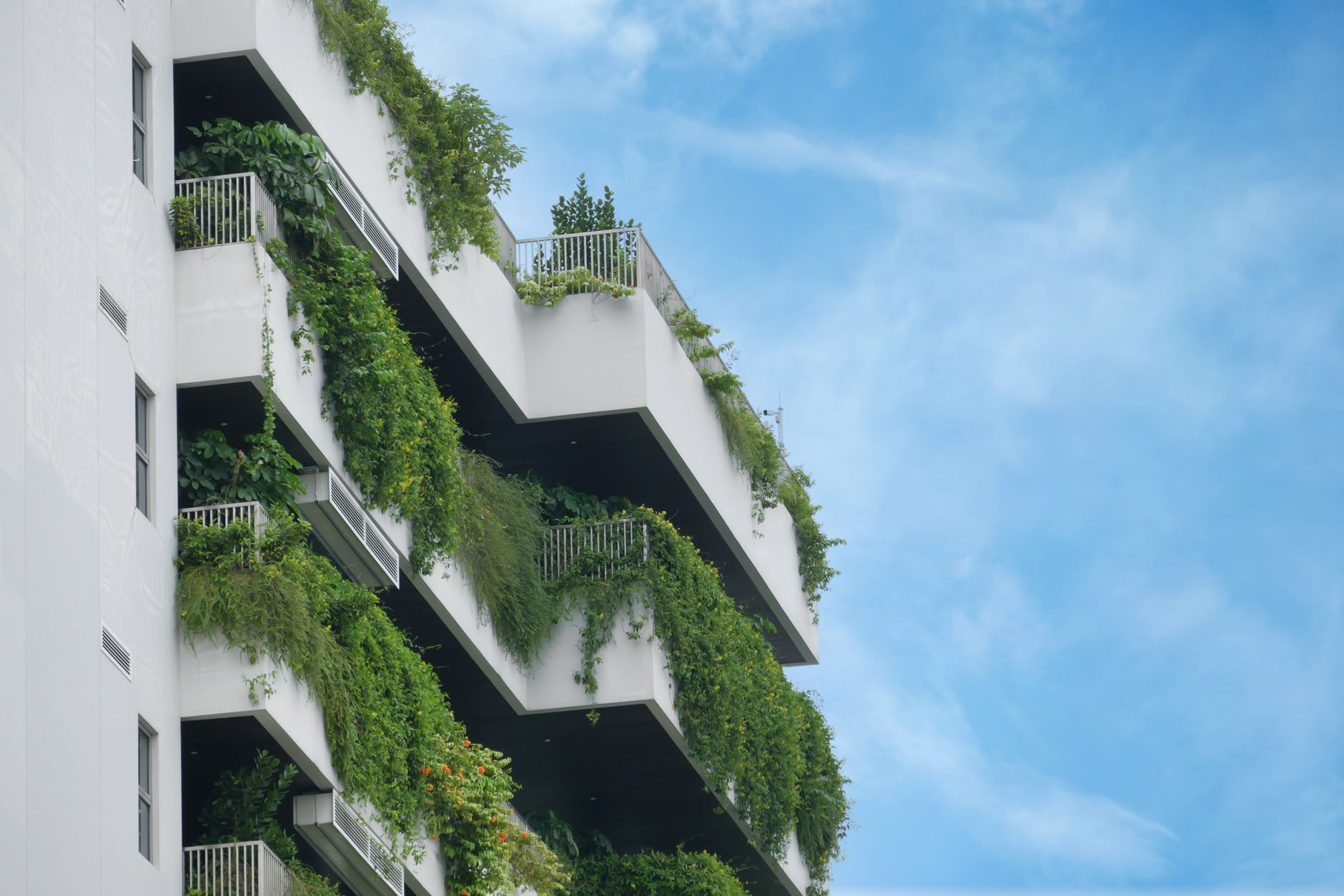
Maximizing Square Footage: The Mechanics of Vertical Gardening Urban Balcony
The constraint of limited horizontal space on an urban balcony immediately shifts the focus from traditional, ground-level cultivation to vertical expansion. We are no longer optimizing soil volume; we are engineering a three-dimensional growing system. This approach demands an understanding of load distribution, water retention dynamics, and plant root access within confined architectural boundaries. Understanding the physics of how plants acquire resources in this setting dictates the success of any vertical gardening urban balcony setup.
We observe that maximizing yield on a small footprint requires stacking layers rather than spreading out. This strategy effectively manipulates sunlight exposure and minimizes wasted vertical space. Think about the light spectrum; plants positioned higher or closer together experience differential shading, which can inhibit photosynthetic efficiency if not managed correctly. We need to engineer systems where every surface serves a functional purpose for plant support and substrate containment.
Structural Engineering for Vertical Systems
The foundational challenge in vertical gardening is structural integrity. Balcony railings and existing wall materials dictate the permissible load-bearing capacity before introducing substantial planter weight. Our analysis suggests that cheap, lightweight materials must be balanced against the necessity of supporting saturated soil and plant biomass.
When planning a system, we assess the substrate weight versus the mounting points. Simple wooden pallets, for instance, offer readily available, inexpensive structural elements. However, the wood itself requires treatment if exposed to consistent moisture saturation; untreated lumber will degrade rapidly under constant dampness. We must consider the material choice carefully when selecting containers or support structures. For example, examining the options presented in our guide on [Container Material Choice: Terracotta vs. Plastic vs. Fabric] reveals that plastic offers superior resistance to water absorption and thermal expansion compared to terracotta, which can crack with repeated moisture cycles if not properly cured. Fabric solutions offer lightweight support but require robust internal liners to manage root density effectively.
The choice of mounting mechanism is equally critical. Direct nailing or screwing into concrete slabs must adhere to local building codes and material specifications; failure here risks structural compromise for the entire balcony. We favor systems that utilize existing, stable fixtures where possible, distributing the load across established points rather than relying solely on new, unsupported anchors.
Optimizing Water and Nutrient Delivery
Water management becomes exponentially more complex when plants are layered vertically. In a traditional setup, runoff manages water flow from a single plane; in a vertical system, we must manage capillary action and drainage across multiple tiers simultaneously. Poor drainage results in root asphyxiation, regardless of how much water is supplied.
We see that gravity assists drainage naturally, but this only works if the container arrangement facilitates it. We often construct tiered systems where the topmost container drains into the container below it, creating a cascading effect. This design mandates precise layering and careful attention to the base layer’s permeability. If we are using non-porous materials, the risk of waterlogging increases significantly because excess moisture cannot escape through the medium.
This necessity drives the development of sophisticated internal systems. Simple surface watering is inefficient for deep vertical planters. We must integrate solutions that facilitate consistent moisture delivery directly to the root zone across all levels. Exploring methods like [DIY Self-Watering Systems for Tiny Urban Containers] shows how self-regulating systems mitigate human error in irrigation timing, ensuring that water availability remains stable regardless of plant density or exposure. These mechanical systems address the physics of water uptake more reliably than manual top-ups.
Selecting Appropriate Media and Plant Profiles
The substrate itself is a dynamic component of the vertical gardening urban balcony equation. Standard potting mixes are often too dense for optimal root aeration in vertically stacked containers, leading to anaerobic conditions at the base layers. We observe that optimizing soil porosity is paramount to preventing fungal diseases like root rot, which thrive in stagnant, wet environments.
We must prioritize lightweight, highly porous growing mediums. Incorporating materials like perlite or expanded clay aggregate into the mix increases the air pockets necessary for gaseous exchange and water diffusion throughout the entire root mass. This manipulation of the medium alters the physical properties of the container system itself; it transforms a passive vessel into an active hydrological component.
Plant selection must also align with the physical constraints imposed by the vertical structure. Trailing plants, such as certain types of peas or cucumbers, utilize the vertical plane effectively, whereas sprawling bush varieties may become overly constrained if their root systems cannot spread laterally within the narrow confines of the container depth. We focus on plants that exhibit strong apical growth patterns, directing their biomass upward and outward efficiently.
Harnessing Sunlight Intensity Across Tiers
Light is energy; in this context, it dictates photosynthetic output. The arrangement of vertical elements directly impacts the light gradient experienced by the plants situated at different elevations. Direct, intense afternoon sun hitting a lower tier can scorch foliage, while an upper tier might experience beneficial diffused light if positioned correctly.
We analyze how shading affects growth rates. If one plant shade another excessively, the shaded plant will exhibit etiolation—stretching toward the light source in a desperate attempt to photosynthesize, resulting in weak, spindly stems and reduced yield. Therefore, maximizing vertical density requires strategic placement rather than simple crowding. We design patterns that allow for adequate light penetration across the entire surface area of the growing matrix. This requires an iterative approach, adjusting plant spacing based on their specific light requirements as we observe the growth process unfold.
The overall impression derived from this process is that successful vertical gardening urban balcony creation moves beyond simple container placement. It involves treating the balcony not as a collection of horizontal surfaces, but as a complex, three-dimensional ecosystem where structural mechanics, hydrology, and photobiology must be integrated into the design blueprint. The resulting yield is a direct function of how effectively we manage these intersecting physical principles.
Tags: vertical gardening, urban gardening, balcony gardening, small space gardening, container gardening, balcony hacks, apartment gardening
Featured Image by Towfiqu barbhuiya on Pexels.