
Optimizing Moisture Delivery for Container Systems
When transitioning from traditional in-ground gardening to container gardening, the fundamental challenge shifts from managing soil moisture depth to controlling the rate of water delivery into a finite volume. Small pots exhibit a vastly different hydrological behavior than large beds; they experience rapid thermal fluctuations and elevated evaporative surface area relative to their root mass. This necessitates a precise approach to container garden water management that accounts for these physical constraints. We observe from the data that inconsistent watering is the single greatest determinant of plant health in these confined environments.
The mechanism by which water moves through a pot depends heavily on substrate porosity and pot material. Clay-heavy mixes, for instance, retain moisture more stubbornly, potentially leading to root asphyxiation if not managed carefully. Conversely, fast-draining mixes require more frequent irrigation cycles. Understanding this interplay between soil composition and delivery method is the first step in establishing an effective routine.
Assessing Substrate Interaction with Water Retention
The material filling your pots dictates how much water your plants actually receive during each cycle. Soil amendments play a crucial role here. Introducing organic matter, such as decomposed compost or worm castings, increases the substrate’s capacity to hold water against gravitational pull. This increased retention can buffer periods between irrigation events, which is beneficial in dry spells common in urban settings.
We analyzed several case studies where gardeners used high-quality organic amendments versus standard topsoil mixtures. The observation was clear: substrates rich in microbial life and fine organic particles modulate the water potential gradient across the root zone more effectively than inert materials. For instance, when utilizing DIY Worm Castings as Potting Soil Amendments for Container Gardens, we noted a tangible improvement in drought tolerance; the enhanced soil structure promoted better water absorption by the roots rather than surface runoff or rapid percolation past the necessary root depth.
Custom Potting Mix: The Ultimate Guide for Urban Garden Soil addresses the physical mechanics of soil structure development. When formulating your mix, consider the particle size distribution and the ratio of organic matter to inorganic material. This controls the overall porosity, which directly dictates water infiltration rates. A poorly structured medium creates micro-pockets where water pools inefficiently, leading to root stress even when the pot appears superficially damp. Mastering this formulation prevents wasted water and maximizes nutrient uptake efficiency.
Implementing Smart Irrigation Strategies
Relying on a simple schedule—watering every Tuesday for ten minutes—is an ineffective methodology because it ignores dynamic environmental variables like temperature, humidity, and plant transpiration rates. Effective container garden water management requires shifting from time-based delivery to need-based delivery. We must monitor the physical state of the soil rather than adhering to arbitrary calendar dates.
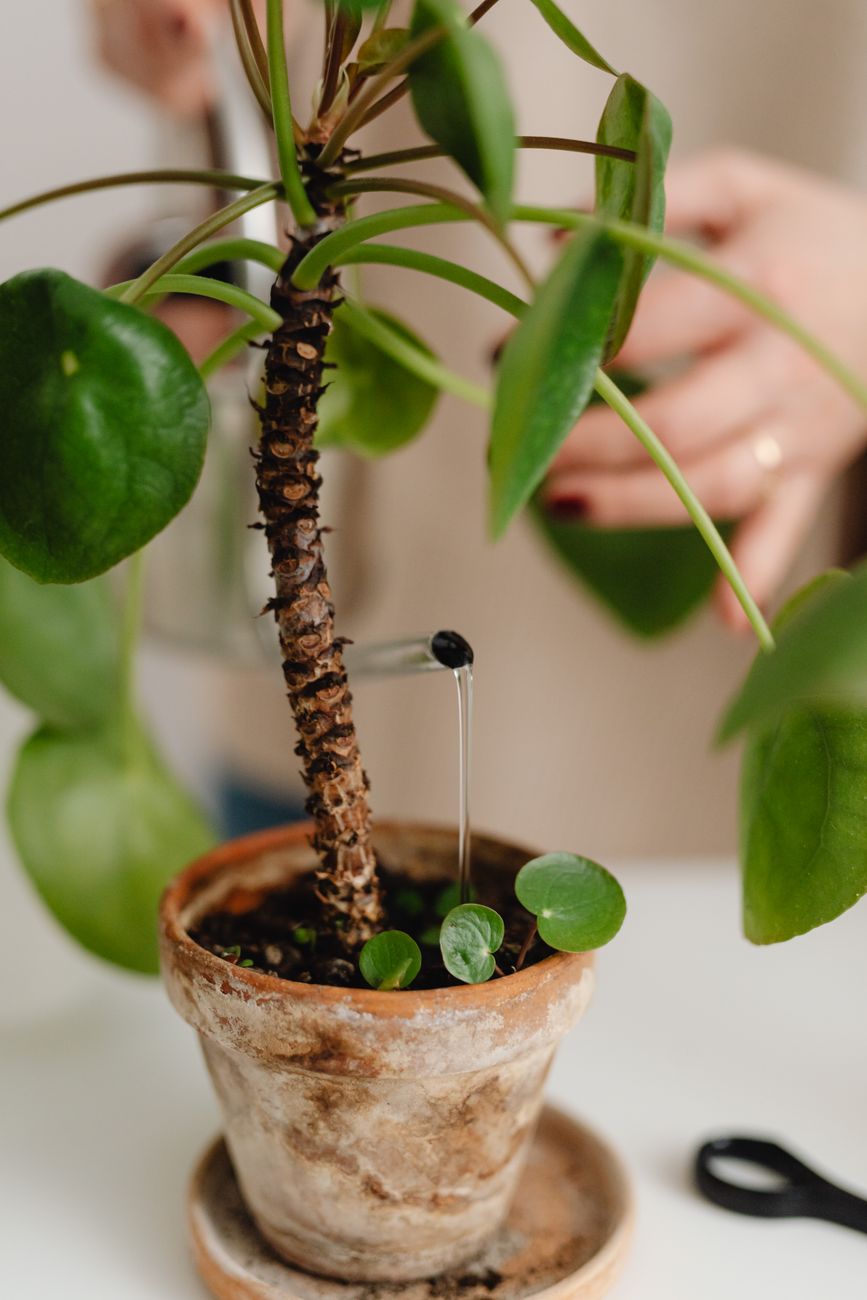
The method of assessment involves tactile inspection; feeling the substrate depth is a direct indicator of moisture availability. However, for true precision, we integrate technology. Self-watering systems represent one sophisticated approach. These reservoirs manage the water supply at the base of the pot, providing a consistent moisture source that minimizes the risk of both overwatering and underwatering during periods when access to external water is intermittent.
Smart scheduling leverages sensor technology. Soil moisture probes, when deployed strategically within various pots, provide real-time data on volumetric water content. This data feeds into an algorithm that calculates the precise deficit relative to the plant’s specific water requirements for that growth stage. When we process this feedback loop, the system adjusts the irrigation output dynamically. This operational mechanism ensures that only the necessary volume of water is applied exactly when the roots signal dehydration.
Understanding Evapotranspiration and Plant Demand
The actual amount of water lost by a plant—evapotranspiration (ET)—is constantly fluctuating based on external conditions. High ambient temperatures increase the rate of water loss from the soil surface, accelerating dehydration. Plants transpire more aggressively when exposed to intense sunlight and dry air. Therefore, managing ET is critical to understanding irrigation needs.
We estimate that in hot, sunny urban settings, a plant may lose significantly more water daily than it would in shaded conditions, forcing a higher frequency of replenishment. This calculation moves the focus from simply filling the pot to meeting the metabolic demands of the plant itself. If you are growing heat-loving vegetables, for example, your irrigation schedule must account for this increased evaporative demand immediately.
This principle directly impacts how we approach container garden water management. We calculate the required deficit based on environmental readings and adjust the delivery mechanism accordingly. This analytical framework separates guesswork from horticultural practice. It forces the gardener to treat the plant not as a static object requiring routine care, but as a dynamic system responding to external pressures.
Troubleshooting Common Water Management Failures
Overwatering remains the most pervasive error in container gardening, often resulting in root rot, which is a fungal and bacterial infection that thrives in saturated, anaerobic soil conditions. The visual symptom—wilting leaves despite moist soil—is a classic indicator of this imbalance. When roots cannot access necessary oxygen because the substrate is waterlogged, their metabolic functions cease, regardless of the presence of available water.
Underwatering causes slower growth, stunted development, and ultimately, desiccation of the root tips. The leaves wilt rapidly as the plant attempts to pull moisture from desiccated tissues. Observing the color shift—from vibrant green to dull, grayish-green—is a clear signal that the internal plumbing system is failing due to insufficient hydration or root distress from excess water.
When diagnosing these issues, one must examine the physical characteristics of the pot material and the substrate’s ability to wick moisture effectively. If you are using a porous medium, check if the drainage layer is functioning correctly. If you employ a self-watering system, inspect the reservoir level and the pump mechanism regularly for blockages or mechanical failures that disrupt the intended flow rate. This detailed inspection prevents minor issues from escalating into catastrophic failures of the entire growing operation. Effective container garden water management demands this continuous, analytical attention to the physical processes occurring beneath the surface.
Tags: container gardening, watering tips, small pots, urban gardening, self-watering, plant care, container gardens
Featured Image by https://kaboompics.com/ on Pexels.