
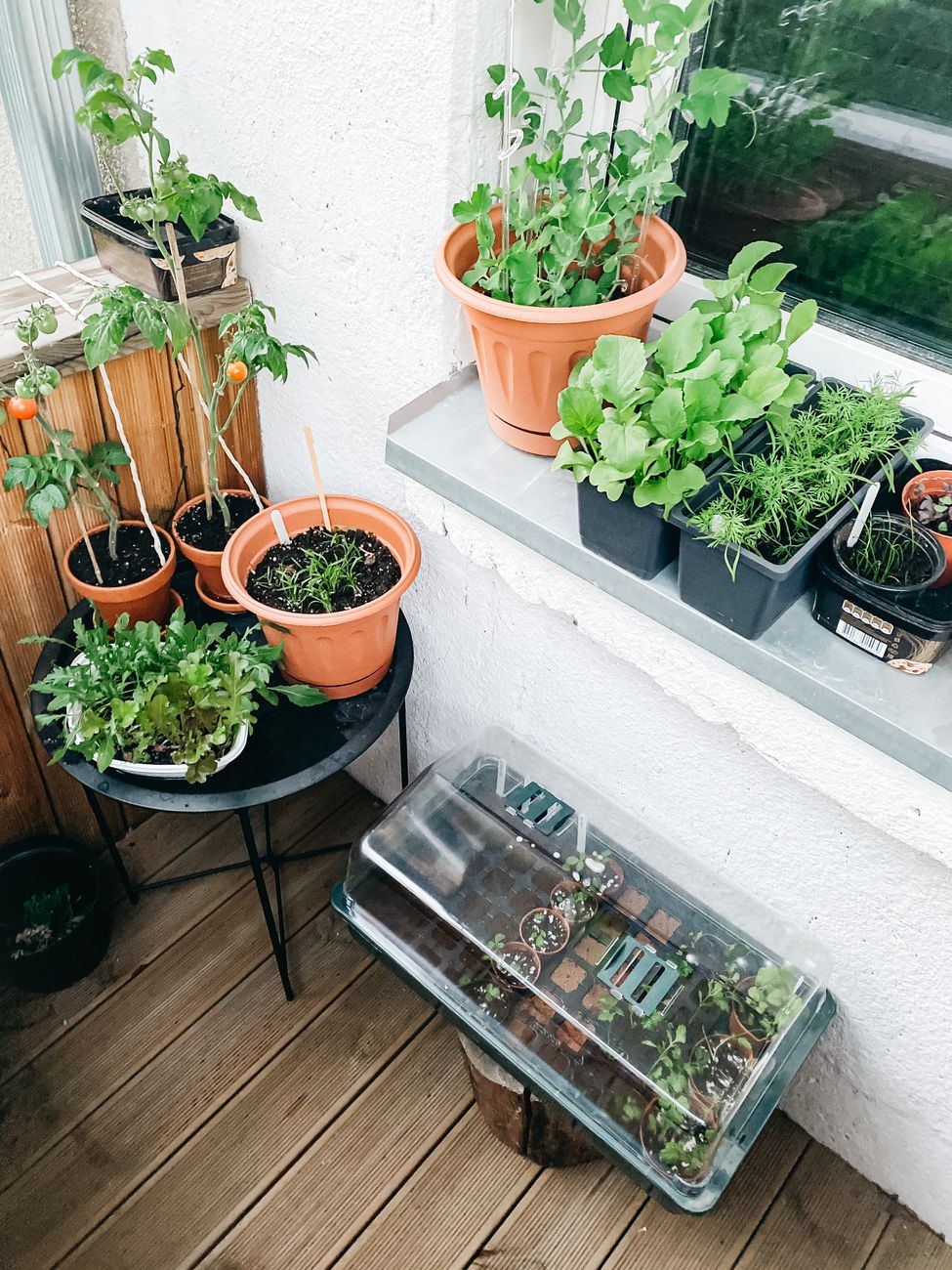
Mastering Microclimates for Elevated Urban Yields
The success of any container garden hinges less on gardening enthusiasm and more on understanding the localized environment. A balcony is not a monolithic space; it is a dynamic system where temperature fluctuations, wind exposure, and direct solar intensity create unique microclimates that dictate plant physiology. We observe from the data that plants positioned on south-facing balconies experience significantly higher cumulative solar radiation throughout the day compared to those sheltered by adjacent buildings or overhangs. This differential energy input directly affects evapotranspiration rates; hotter, windier spots necessitate more frequent watering cycles and a greater tolerance for drought stress.
Analyzing these thermal gradients allows us to move beyond simple placement advice toward predictive cultivation. For instance, plants requiring consistent, deep moisture retention should be placed where they receive moderate afternoon shade, mitigating the risk of rapid desiccation during peak heat hours. Conversely, sun-loving herbs and fruiting vegetables thrive in exposed locations, provided the container material has adequate thermal mass to stabilize soil temperatures. Managing this energy flow is the first operational step in optimizing your small balcony gardening efforts.
Container Selection: The Interface Between Root and Environment
Choosing the right vessel is not merely an aesthetic decision; it involves controlling substrate temperature and moisture retention rates. Plastic containers, while lightweight and affordable, exhibit a high surface-to-volume ratio, meaning they heat up rapidly under intense sunlight, potentially creating root zone temperatures that exceed optimal levels for sensitive species like basil or lettuce. Terracotta offers breathability, allowing evaporative cooling, which can be beneficial in arid balcony conditions, but it also dries out soil faster, demanding more precise irrigation scheduling from the gardener.
Clay or ceramic options offer thermal inertia, slowly releasing absorbed heat, which stabilizes the root environment over longer periods. When selecting a container for small balcony gardening, we must factor in the material’s ability to buffer external extremes. We are not just filling a pot; we are engineering a self-contained ecosystem where water dynamics are paramount. The depth of the container also dictates the volume available for root development and nutrient cycling. Shallow pots force roots into an unnaturally restricted zone, inhibiting the deeper exploration necessary for robust plant structure.
Substrate Engineering: Building the Foundation for Nutrient Uptake
The growing medium constitutes the primary interface between the plant roots and external resources. Standard garden soil, when used in containers, compacts too easily, creating anaerobic pockets that impede oxygen flow to the root systems. This lack of aeration forces root respiration into suboptimal states, slowing nutrient uptake considerably. We must engineer a substrate that promotes porosity while retaining necessary moisture.
Incorporating organic matter is essential for this process. Amendments like aged compost or worm castings function by increasing the soil’s cation exchange capacity and improving water-holding capacity without sacrificing drainage. For example, applying high-quality amendments allows the medium to act as a sponge, managing the fluctuating moisture demands imposed by the balcony microclimate more effectively than inert materials alone. When considering nutrient delivery, understanding the biological role of these amendments changes the management strategy entirely. We see direct correlations between the microbial activity present in the soil and the plant’s resistance to common fungal pressures.
Understanding pest dynamics is inextricably linked to substrate health. A stressed plant, often resulting from poor watering or nutrient imbalance within the container, exhibits reduced immune response against pests. When managing infestations, focusing solely on immediate chemical intervention bypasses the root cause. For instance, a healthy soil biome supports plants naturally resistant to certain threats, reducing the need for harsh treatments later on. We observe that maintaining microbial balance is a proactive defense mechanism in any urban setting.
Selecting High-Yield, Space-Efficient Cultivars
The constraint of limited space necessitates selecting cultivars optimized for vertical growth and high yield per square foot. This requires shifting focus from sprawling, deep-rooted plants to those adapted for shallow containers. Leafy greens, such as various varieties of spinach, arugula, and microgreens, demonstrate exceptional adaptability to container life cycles because their energy is concentrated in the leaves, which can be harvested repeatedly before significant structural development occurs.
Herbs also offer superior performance. Basil, mint, and thyme thrive with consistent moderate watering and good drainage, provided they receive adequate sun exposure. Their essential oils are readily accessible when the plant is actively growing, offering intense flavor profiles directly proportional to the care provided during their maturation phase. Fruiting plants require more careful selection; dwarf varieties of tomatoes or compact peppers perform better than sprawling specimens, as their root systems manage resource competition within the confines of the container.
Optimizing Plant Density and Spacing
The density with which you plant directly impacts air circulation and light penetration across the entire surface area of your balcony. Overcrowding creates a stagnant, humid microclimate immediately above the soil surface, which significantly increases the risk of fungal diseases like powdery mildew spreading rapidly between adjacent plants. We calculate that adequate spacing allows for sufficient airflow to dry foliage quickly after irrigation or rain events.
When arranging containers, we must account for the canopy spread. Taller plants need more vertical clearance than low-growing herbs. Placing taller specimens near the edges can inadvertently shade shorter neighbors during peak midday hours. Therefore, spatial planning requires mapping out light exposure patterns before soil is even filled. This analytical step prevents future management crises related to light competition and moisture stress among your small balcony gardening arrangements.
Water Management: The Core Mechanism of Balcony Success
Watering containers on a balcony presents a unique challenge because the soil volume dictates how quickly water evaporates, making traditional scheduling insufficient without environmental context. Plants placed in high-wind or intense sun environments experience significantly higher transpiration rates than those sheltered in shaded nooks. This necessitates a dynamic approach to irrigation management rather than a fixed schedule based on calendar dates alone.
The mechanism of watering must respond to the soil moisture tension. Before initiating any irrigation cycle, the gardener must assess the substrate’s turgidity; the soil should feel moderately damp, not saturated, which signals that the roots are actively drawing water and the surrounding medium has absorbed excess moisture. Allowing containers to dry out completely risks root damage and stresses the plant into a state where it cannot recover quickly from subsequent watering events.
Drip irrigation systems or self-watering pots provide a superior mechanism for consistent delivery compared to manual top-watering, especially in variable balcony conditions. These methods ensure that water is delivered directly to the root zone with minimal loss to surface evaporation and maximize the efficiency of every drop. Analyzing the system’s flow rate against the container size allows us to calculate the required volume per cycle, ensuring that the entire root mass receives the necessary hydration without introducing unnecessary water weight that could destabilize the container structure or accelerate mold growth in damp conditions.
Nutrient Cycling and Soil Amendments Revisited
Nutrients are not merely additives; they are essential components of the biological feedback loop within your small balcony garden. Plants draw elements from the soil matrix, and this process requires a continuously replenished supply, especially when using finite container volumes. The organic matter amendments discussed earlier contribute to this cycle by feeding the beneficial microorganisms that facilitate nutrient mineralization.
When utilizing organic inputs like worm castings, we are providing the necessary microbial inoculum that accelerates the breakdown of organic compounds into plant-available forms. This contrasts sharply with synthetic fertilizers, which deliver immediate chemical energy but often neglect the long-term health of the soil structure itself. Observing the results in practice, systems rich in biological activity exhibit greater resilience against environmental stressors. We see plants thriving not just on added minerals, but on a robust, living substrate capable of managing water and nutrient exchange internally.
If you are observing signs of pest activity—such as the presence of tiny, soft-bodied insects like aphids or whiteflies—the underlying issue is often systemic stress exacerbated by poor environmental management. Addressing the foundational issues of proper substrate engineering and balanced hydration is the most effective long-term strategy to mitigate these external pressures. Understanding these interconnected processes allows for a predictive approach to small balcony gardening success.
Tags: small balcony gardening, urban gardening, balcony gardening, container gardening, flavorful plants, balcony herbs, microclimate
Featured Image by Tiia Pakk on Pexels.