
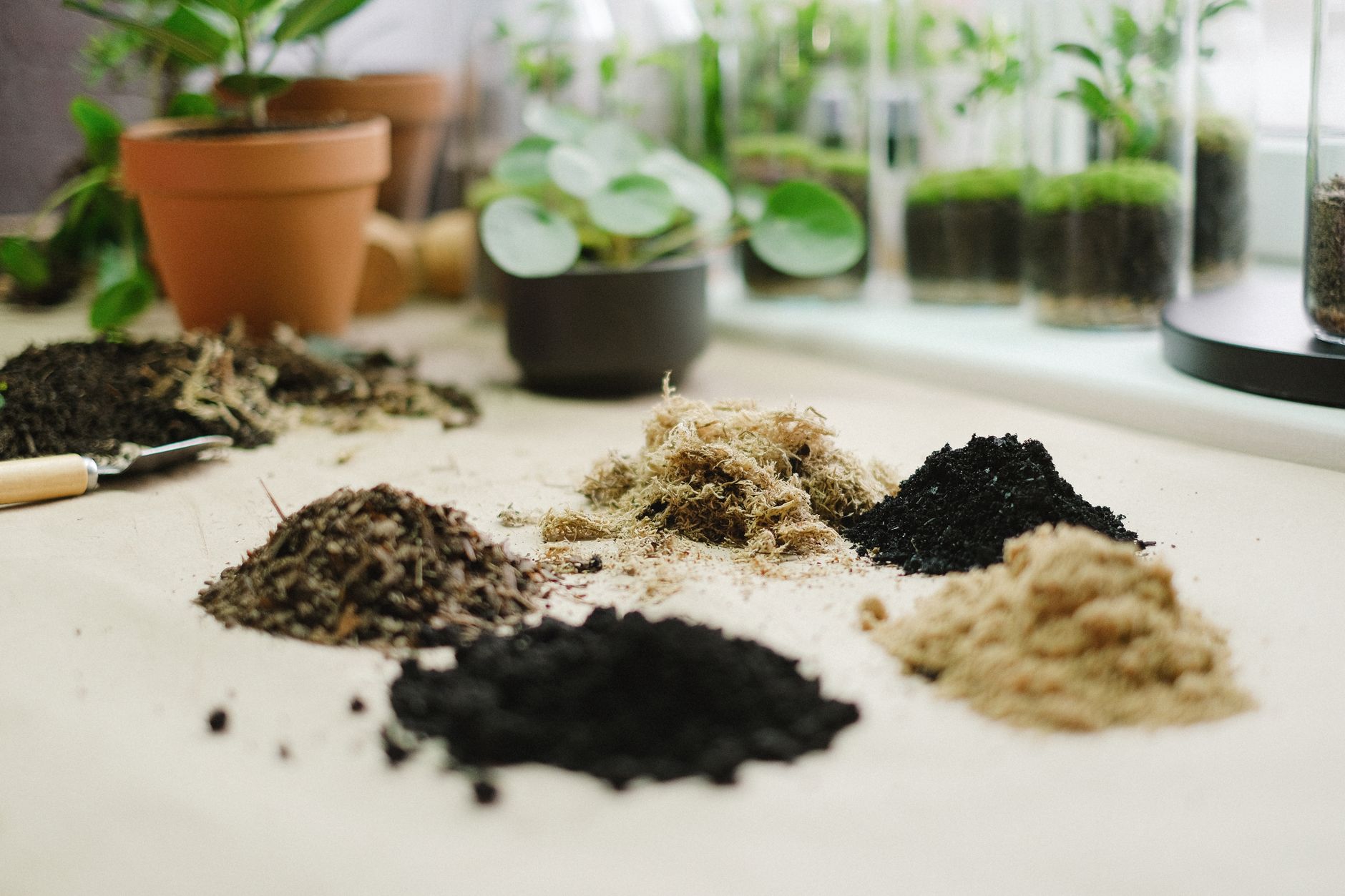
Understanding the Mechanics of Urban Soil pH
When cultivating plants in urban settings, understanding soil chemistry moves beyond simple guesswork; it becomes a critical parameter dictating nutrient availability and root health. We observe from the data that city soils often present unique chemical profiles due to the materials used in construction—concrete dust, compacted urban substrates, and varying levels of runoff—which fundamentally alter the natural equilibrium of acidity or alkalinity. This baseline state is what we call urban soil pH. Deviations from the optimal range for specific plant species directly inhibit the uptake of essential macronutrients like nitrogen, phosphorus, and potassium, regardless of how much fertilizer is applied to the surface.
The pH level dictates the solubility and bioavailability of micronutrients within the root zone. For instance, when the soil becomes too acidic, elements like aluminum or manganese can become highly soluble, leading to toxicity for sensitive roots; conversely, in highly alkaline conditions, essential elements like iron and zinc precipitate out, rendering them inaccessible to the plant cells. Therefore, managing this pH is not merely about balancing a chemical scale; it involves manipulating the physical chemistry that governs nutrient exchange across the root membrane.
Assessing Your Urban Soil Chemistry Accurately
Attempting to manage soil acidity or alkalinity without accurate measurement is akin to tuning an engine blindfolded. We must establish a quantifiable baseline before initiating any amendment strategy, ensuring our interventions target the actual chemical deficit rather than perceived symptoms. Direct, in-situ testing provides the necessary empirical foundation for effective gardening practices.
The Necessity of Soil Testing Protocols
The standard method involves extracting a soil sample and subjecting it to an acid-base titration test or using a calibrated pH meter inserted directly into the substrate. We find that relying solely on surface observation is insufficient because chemical reactions occur deep within the soil matrix, influencing root function far more profoundly than surface moisture levels do. Our analysis suggests that testing should be performed at multiple depths, particularly in container gardening scenarios where root distribution can be unevenly influenced by the pot material itself.
When assessing samples, we must consider the buffering capacity of the soil—how much change the pH can absorb before significant shifts occur. Loamy or organic-rich soils typically exhibit a greater capacity to buffer changes than highly compacted clay substrates found in older urban sites. This differential response means that the required correction dosage will vary significantly between different city plots.
Interpreting pH Levels for Specific Flora
Different plant families have evolved specific tolerance ranges, and ignoring these tolerances results in suboptimal growth rates. Acid-loving plants, such as blueberries or rhododendrons often featured in urban green spaces, require a consistently lower pH, perhaps below 6.0. Conversely, many common vegetables thrive in a slightly more neutral range, generally between 6.0 and 7.0. Understanding this relationship informs the selection of amendments we introduce to correct the urban soil pH.
If we observe excessive alkalinity—a high pH value—the strategy shifts toward introducing acidic materials. This requires an understanding of how strong acids or bases interact with soil minerals over time, a process that demands careful, measured application rather than large, indiscriminate dumps of material.
Natural Amendments: Mechanisms of Soil Correction
Correcting the urban soil pH naturally involves utilizing amendments derived from common household or compostable sources. Each amendment functions by introducing specific chemical agents into the soil system, triggering reactions that slowly shift the equilibrium toward the desired state. This process is inherently biological and chemical, operating over time rather than offering an instantaneous fix.
Utilizing Compost Tea for Gentle Adjustments
Compost tea introduces a complex mixture of beneficial microorganisms, fungi, and organic acids directly into the soil environment. The microbial action facilitates the decomposition of organic matter, releasing humic acids that gently lower alkalinity over successive applications. We observe that this method works by increasing the biological activity that naturally acidifies the surrounding medium, providing a sustained, living correction mechanism for the soil chemistry. This is particularly beneficial when dealing with established garden beds where rapid chemical shifts could stress existing root structures.
The Role of Elemental Amendments: Lime and Sulfur
When correcting high alkalinity (making the soil too basic), the introduction of mineral-based substances works through a slower process involving cation exchange. Applying agricultural lime, typically calcium carbonate, increases the total base saturation of the soil solution. This reaction effectively consumes excess hydroxyl ions ($\text{OH}^-$) in the soil water, allowing the system to stabilize at a lower $\text{pH}$. The rate of this process is dependent on the particle size and organic content present.
Conversely, introducing sulfur serves to manage acidity. Sulfur-based amendments facilitate the release of hydrogen ions as part of microbial respiration processes within the soil, which helps drive down the concentration of free hydrogen ions ($\text{H}^+$) in the soil solution. This mechanism is crucial for managing overly acidic conditions by buffering the system against extreme shifts observed in highly mineralized urban soils. We must always monitor the application rate to prevent overshoot, as excessive sulfur input can induce toxicity in some sensitive plant species.
Integrating pH Management with Physical Gardening Practices
Soil chemistry interacts directly with the physical environment of the garden space. The choice of containers and the method of soil incorporation influence how quickly and effectively these natural amendments translate into measurable changes within the root zone.
Container Considerations and Soil Volume
When gardening in urban spaces, we often utilize containers, which introduce a distinct boundary layer between the soil medium and the surrounding environment. The materials used for these containers—plastic versus terracotta, for example—influence water retention and gas exchange rates, indirectly affecting microbial activity that drives pH change. When selecting pots for container gardening, one must consider not just drainage but also how the physical structure interacts with the amended soil. A well-draining substrate within a container allows the chemical reactions initiated by compost tea or lime to occur unimpeded across the entire root volume.
Addressing Secondary Issues: Fungal Management
The health of the root system, which is directly dependent on optimal pH, also dictates resistance to secondary biological threats. Stressed plants, often resulting from poor nutrient uptake due to incorrect soil chemistry, become significantly more susceptible to pathogens. For example, compromised root systems struggle to defend themselves against fungal infections. We see that proactively managing pH helps build a robust physiological state, which is vital when tending to issues like Treating Powdery Mildew Blight in Container Gardens, as the plant’s overall vigor becomes a stronger defense mechanism against environmental stressors.
The entire process requires an iterative approach. Test regularly. Apply amendments based on empirical results. Monitor growth rates and symptoms. This analytical feedback loop ensures that the manipulation of urban soil pH leads to tangible, positive outcomes for the urban gardener. We are not just adding chemicals; we are managing a dynamic, living system within the constraints of the city environment.
Tags: urban gardening, soil pH, garden amendments, natural gardening, city gardening, soil testing, compost tea
Featured Image by Anna Shvets on Pexels.