Choosing the Perfect Vessel: Essential Tips for Container Gardening Pots Urban
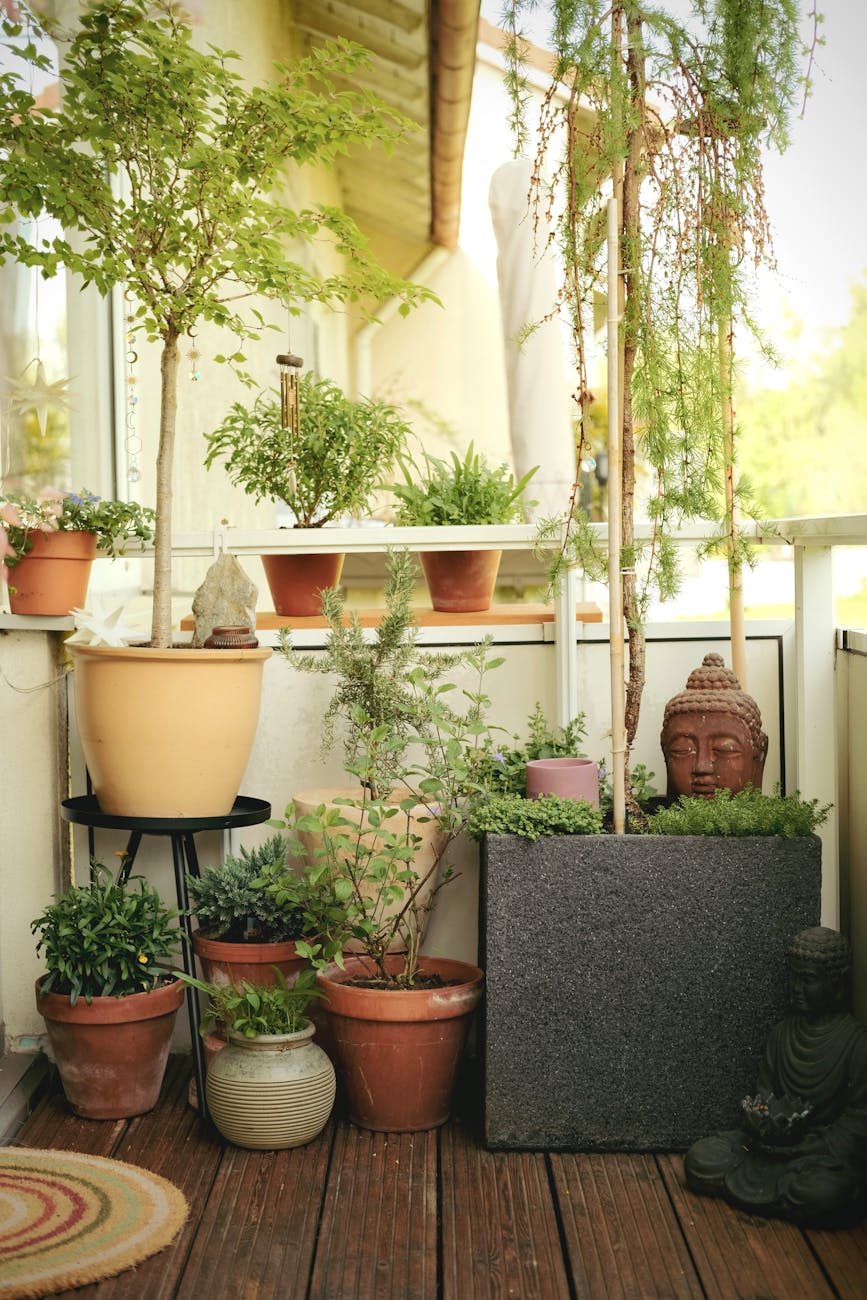
Welcome to the wonderful world of small urban gardening! Whether you have a sunny balcony, a narrow patio, or just a windowsill, transforming that limited space into a thriving green oasis is incredibly rewarding. The secret ingredient often lies in selecting the right containers—your container gardening pots urban setup will directly impact your plants’ health and growth. Choosing the correct pot isn’t just about aesthetics; it’s about drainage, root space, and water retention. This guide will walk you through everything you need to know to select the ideal vessels for your small urban garden.
Why Pot Selection Matters in Urban Gardening
When gardening in confined spaces, every inch counts. Unlike in-ground gardening where soil composition is naturally managed, container gardening puts all the responsibility on you. The pot acts as the entire root environment, dictating how much water the plant can hold, how nutrients are distributed, and how well the roots can breathe. Poor pot choices can lead to root rot, nutrient leaching, and stunted growth, negating all your hard work.
Understanding Drainage: The Most Crucial Factor
The single most important consideration when selecting container gardening pots urban is drainage. Excess water sitting at the bottom of a pot suffocates the roots, leading to inevitable root rot—a common killer in container gardening.
Ensuring Excellent Drainage Holes
Every single container you choose must have adequate drainage holes. If you are using decorative pots without holes, ensure you create them yourself by drilling multiple holes in the base. For smaller pots, even a few small holes are sufficient; for larger containers, more numerous and larger holes are necessary to prevent waterlogging.
Material Matters: Plastic vs. Terracotta vs. Ceramic
Different materials affect how water moves through the pot:
- Terracotta/Clay: These porous materials allow water to evaporate through the sides of the pot. While this can help prevent overwatering in some climates, it can cause the soil to dry out very quickly, meaning you might need to water more frequently in hot urban environments.
- Plastic: Lightweight and inexpensive, plastic pots retain moisture well but must have excellent drainage holes. They are excellent for beginners but require careful monitoring regarding drainage.
- Ceramic/Glazed Pottery: These are durable and offer a beautiful aesthetic. Like terracotta, they allow some evaporation but are generally less porous than unglazed clay, offering a good balance if properly drained.
Sizing Your Pots for Success
The size of your pot directly correlates with the size of the plant you intend to grow. Choosing pots that are too small creates immediate growth limitations, while pots that are too large can lead to overwatering and excess soil volume.
Pot Sizes Based on Plant Needs
When planning your container gardening pots urban, consider the mature size of your chosen plants:
- Herbs (Basil, Mint): Even small herbs benefit from at least 6-inch (15 cm) pots to allow roots room to spread without being immediately constrained.
- Leafy Greens (Lettuce, Spinach): These thrive in moderately sized containers, ideally 8-to-10 inches (20-25 cm) deep, as they need depth for good root development.
- Tomatoes and Peppers: Fruiting plants require substantial space. For these larger vegetables, aim for pots that are at least 12 to 14 inches (30-35 cm) in diameter or deeper to support the heavy root mass and necessary water supply during fruiting.
Choosing Pot Styles for Urban Aesthetics
Since you are gardening in a small urban space, the visual appeal of your container gardening pots urban is just as important as their function. The style you choose should complement your balcony decor and garden theme.
Square vs. Round Containers
- Square Pots: Offer a clean, structured look that fits well against railings or vertical surfaces. They are excellent for maximizing growing space in tight corners.
- Round Pots: Provide a softer, more traditional aesthetic. They are versatile and work well when placed alongside other decorative items.
Stackable and Vertical Solutions
When space is severely limited, think vertically! Utilizing vertical space allows you to grow more without taking up more horizontal real estate. Exploring Vertical Gardening Hacks for Balconies: Maximize Your Urban Yield can show you how to use wall space effectively with tiered planters or hanging systems. Stacking pots allows you to utilize height efficiently on balconies.
Enhancing Pot Functionality and Soil Health
The pot itself is only one part of the equation. What you put in the pot—the growing medium—is equally vital for success in your container gardening pots urban setup.
The Importance of Quality Potting Mix
Do not substitute garden soil directly into your pots. Garden soil compacts easily in containers, suffocating roots and hindering drainage. Always use a high-quality, lightweight potting mix specifically designed for containers. This mix is formulated to be airy, well-draining, and nutrient-rich.
Integrating Composting for Potting Medium
To ensure your container plants thrive long-term, focus on building rich, healthy soil. Start by understanding the fundamentals of soil health; learning about Composting & Soil Health: A Beginner’s Guide will teach you how to create organic matter that feeds your plants naturally. Incorporating compost into your potting mix dramatically improves water retention and nutrient availability for your container plants.
Advanced Tips for Urban Container Success
Once you have selected your pots, the final steps involve optimizing the environment for maximum yield in your urban setting.
Watering Techniques Specific to Pots
Because containers dry out faster than in-ground beds, consistent watering is key. Stick your finger about an inch or two into the soil before watering to check the moisture level. Water deeply rather than superficially, allowing water to penetrate the entire root zone. In hot, sunny urban spots, you may need to water daily, especially for larger pots.
Feeding Your Urban Garden
Container plants deplete nutrients quickly because the volume of soil is limited. Plan for regular feeding using a balanced liquid fertilizer, typically every two to four weeks, depending on the plant’s growth stage. This consistent feeding ensures that your container gardening pots urban are providing optimal nutrition for vigorous growth.
By thoughtfully selecting your pots based on drainage, size, and material, and by pairing them with the right soil and care techniques, you can successfully cultivate a bountiful harvest right in your small urban space!
Tags: container gardening, urban gardening, pot selection, small space gardening, container pots, balcony gardening, container design
Featured Image by Laura Cleffmann on Pexels.