Choosing the Right Vessel: A Deep Dive into Container Material for Urban Gardening
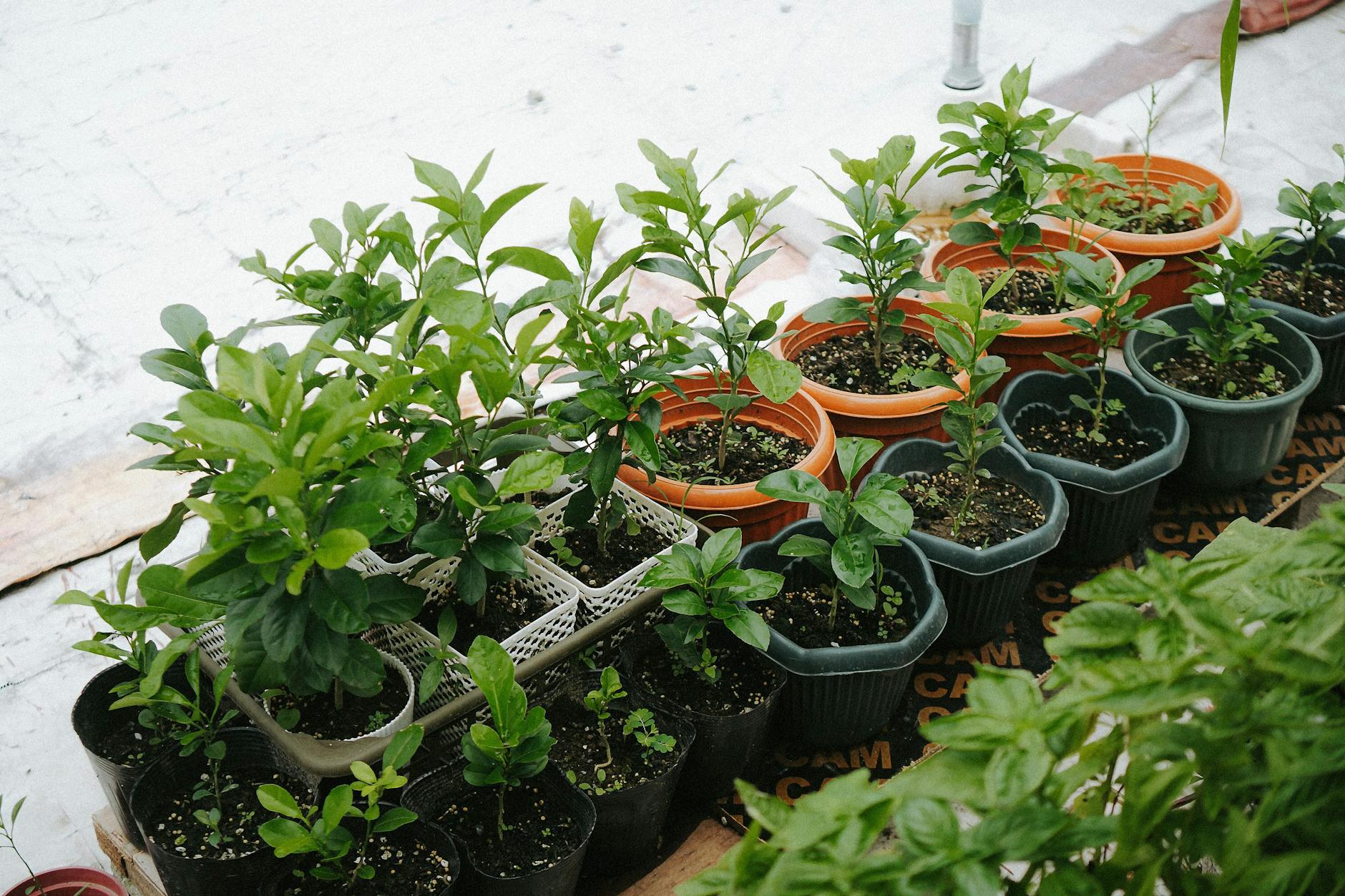
Welcome to the wonderful world of urban gardening! Whether you are tending a balcony herb patch, maximizing a small patio space, or cultivating a thriving garden in a city setting, the success of your plants often hinges on one crucial decision: choosing the right container material urban gardening vessel. It’s more than just picking a pretty pot; it directly impacts how much water your plants receive, how well the roots breathe, and ultimately, how healthy and productive your harvest will be.
This guide will break down the pros and cons of the three most popular container materials for city gardeners—terracotta, plastic, and fabric—helping you make an informed decision that suits your specific climate, gardening style, and goals. Let’s explore the breathability, water retention, weight, and longevity of each option so you can select the perfect home for your green ambitions.
Understanding the Fundamentals of Container Selection
Before diving into the specifics of materials, it’s essential to understand the core principles that govern container selection in an urban environment. When gardening in containers, you are essentially managing the micro-environment for your roots.
The Importance of Breathability and Drainage
Roots need oxygen just as much as they need water. If a container traps too much moisture and restricts airflow, it can lead to root rot—a common killer of container plants. Therefore, any material chosen must allow for adequate drainage and porosity. This principle is foundational to successful container gardening 101: Pots, Soil & Drainage for Urban Spaces.
Water Retention vs. Evaporation
Different materials handle water differently. Some materials hold moisture tightly, which can be beneficial in dry spells, while others allow moisture to evaporate more readily, which helps prevent stagnation. Understanding this balance is key when selecting between plastic, terracotta, and fabric.
Terracotta: The Breathable Classic
Terracotta, meaning fired clay, has been a staple in gardening for centuries. It offers a distinct aesthetic and possesses unique properties that appeal strongly to many urban gardeners.
Advantages of Terracotta Containers
- Excellent Breathability: Clay is naturally porous, meaning it allows excess water to evaporate through the walls of the pot. This natural aeration is fantastic for preventing root rot, especially in humid city environments.
- Aesthetic Appeal: The earthy, rustic look of terracotta adds a timeless, organic touch to any urban space, perfectly complementing minimalist or bohemian decor.
- Temperature Regulation: Terracotta allows the soil inside to breathe, which can help moderate soil temperatures slightly compared to non-porous materials.
Disadvantages of Terracotta Containers
- Poor Water Retention (Relative): Because it breathes so much, terracotta pots tend to dry out faster than plastic or fabric containers, meaning you may need to water more frequently.
- Susceptibility to Weathering: Over long periods exposed to extreme temperature fluctuations or prolonged intense sun, unglazed terracotta can become porous and susceptible to cracking if the clay is low quality or the environment is harsh.
- Weight: Terracotta pots are significantly heavier than plastic or fabric alternatives, which can be a consideration when moving heavy, moist soil around.
Plastic: The Practical Workhorse
Plastic containers—often made from polyethylene (PE) or polypropylene (PP)—are arguably the most common choice for beginners and those prioritizing durability and water management.
Advantages of Plastic Containers
- Superior Water Retention: Plastic is impermeable to water, meaning it holds moisture very effectively. This can be advantageous during hot, dry spells, reducing the frequency with which you need to water.
- Lightweight and Affordable: Plastic is inexpensive to manufacture and very lightweight, making it easy to move around your balcony or patio space.
- Durability: They are highly resistant to cracking, chipping, and weathering, offering excellent longevity in various outdoor conditions.
Disadvantages of Plastic Containers
- Poor Breathability: The primary drawback of plastic is its lack of porosity. If the soil inside becomes waterlogged, the moisture remains trapped against the sides, creating a high risk of root suffocation and rot if drainage isn’t perfectly managed.
- Heat Absorption: Dark-colored plastic can absorb significant solar heat, potentially increasing the temperature of the soil and stressing the roots during intense summer heat.
Fabric Grow Bags: The Modern Solution for Root Health
Grow bags, often made from durable, woven, or non-woven fabrics (like felted felt or recycled PET), have rapidly gained popularity in urban gardening due to their innovative approach to root health.
Advantages of Fabric Containers
- Maximum Breathability: This is the biggest advantage. The woven nature of fabric allows for exceptional airflow, ensuring roots receive the necessary oxygen and preventing the stagnant, waterlogged conditions that plague plastic pots.
- Superior Root Health: Excellent aeration directly translates to healthier, more vigorous plant growth, which is crucial when dealing with urban soil mixes like those discussed in Urban Soil Mix for Balconies: A Beginner’s Guide.
- Lightweight: Like plastic, fabric bags are very light and easy to handle, making them ideal for smaller spaces.
Disadvantages of Fabric Containers
- Water Retention Management: Because they allow water to evaporate freely, gardeners using fabric must be diligent about monitoring watering schedules, as they might need to water slightly more often than a tightly sealed plastic container.
- Durability Concerns: While modern fabrics are quite strong, very rough handling or prolonged exposure to harsh UV rays can eventually degrade the material over many seasons.
Comparative Summary: Container Material Urban Gardening
To help you finalize your decision for your container material urban gardening, here is a quick comparison table summarizing how each option stacks up for city dwellers:
| Feature | Terracotta (Clay) | Plastic (PE/PP) | Fabric (Grow Bags) |
| :— | :— | :— | :— |
| Breathability | Excellent | Poor | Excellent |
| Water Retention | Moderate | High | Moderate to High |
| Root Health | Good (with drainage focus) | Risk of Rot if Overwatered | Excellent (Best Aeration) |
| Weight/Portability| Heavy | Lightweight | Lightweight |
| Aesthetics | Rustic, Traditional | Modern, Functional | Modern, Organic |
| Best For | Gardeners who prefer traditional aesthetics and enjoy frequent watering. | Beginners prioritizing cost and maximum water holding capacity. | Gardeners prioritizing root health and superior aeration in small spaces. |
Expert Recommendations for Urban Gardeners
Selecting the right material ultimately depends on your priorities: budget, aesthetic, and your tolerance for management.
For Beginners and Maximum Root Health: If your primary goal is to ensure your plants thrive by maximizing airflow and preventing root rot—especially when using less-than-perfect urban soil mixes—we strongly recommend fabric. The superior breathability ensures that the roots stay healthy, which is the foundation of a successful harvest.
For Water Conservation and Durability: If you live in an area with intense, prolonged dry spells and prioritize keeping water locked inside the pot to minimize daily watering, plastic offers reliable moisture retention and excellent durability. Just ensure you use excellent drainage materials beneath these pots.
For the Traditionalist and Aesthetic Lover: If you enjoy the tactile experience of gardening and prefer a natural, earthy look, terracotta is a beautiful choice. Remember that with terracotta, diligent monitoring of soil moisture and ensuring perfect drainage (perhaps using a liner) is non-negotiable for success.
Final Considerations: Drainage is Non-Negotiable
No matter which container material urban gardening you choose, the single most important factor for success in any container setup is impeccable drainage. Whether you use heavy terracotta or lightweight fabric, ensure every pot has adequate holes at the bottom to allow excess water to escape freely. As we touched upon earlier, setting up proper drainage is a key part of understanding Container Gardening 101: Pots, Soil & Drainage for Urban Spaces.
By thoughtfully considering breathability, water retention, and your personal gardening style, you can select the ideal vessel that supports your urban garden’s growth, ensuring you enjoy bountiful harvests season after season!
Tags: urban gardening, container materials, potting, gardening tips, terracotta vs plastic, container choice, small space gardening
Featured Image by Kenneth Surillo on Pexels.