
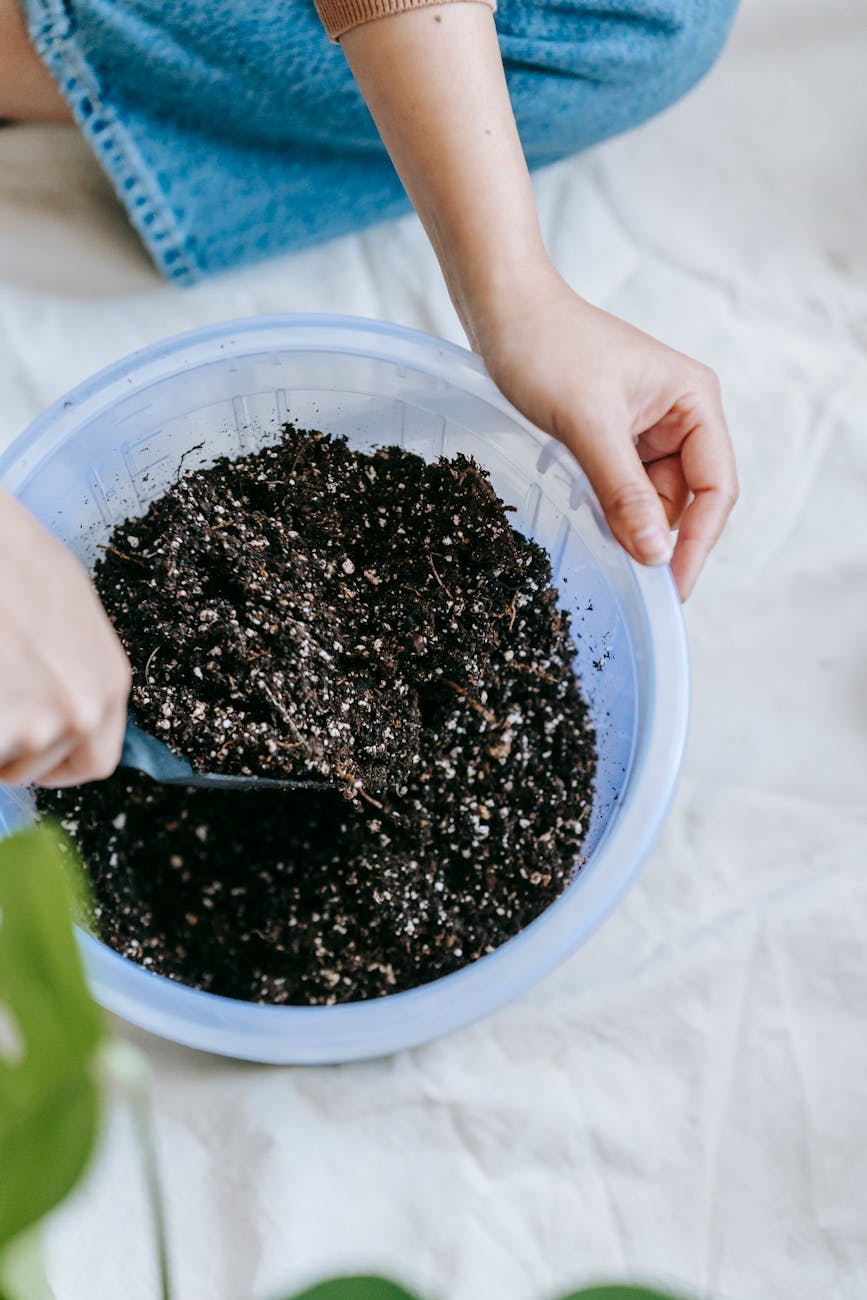
Urban Soil Mix for Balconies: A Beginner’s Guide
Welcome to the wonderful world of urban gardening! Whether you have a sprawling backyard or just a cozy balcony, bringing greenery into your small city space is incredibly rewarding. However, one of the most crucial—and often overlooked—elements in successful container gardening is the soil itself. Using the wrong mix can lead to poor drainage, nutrient deficiency, and ultimately, sad, struggling plants.
This comprehensive guide will walk you through exactly what you need to know about creating the perfect urban soil mix beginners can use for their balconies and small urban containers. We’ll focus on balancing weight, drainage, aeration, and nutrition so your herbs, vegetables, and flowers thrive right where you live.
Understanding the Challenges of Urban Gardening Soil
Gardening in an urban setting presents unique challenges compared to traditional in-ground gardening. When you garden on a balcony or patio, you are working with containers, which introduces specific soil management issues that must be addressed.
The Weight and Drainage Dilemma
The biggest difference between garden soil and container potting mix is weight. Soil needs to be light enough to remain breathable and not weigh down lightweight containers, especially when wet. Furthermore, poor drainage in dense urban soil leads to waterlogging, which suffocates plant roots and invites root rot—a common killer of container plants.
Nutrient Availability in Pots
Because you are using a finite amount of soil in a small space, every ingredient matters. You need a mix that provides immediate, slow-release nutrition while ensuring the roots have plenty of air to breathe and absorb those nutrients effectively. A good urban soil mix beginners should aim for a mix that is rich but not overly dense.
Adapting Soil to Container Size
The size of your container dictates how much soil you need, and how that soil behaves. A large pot requires a more robust mix than a small window box. Understanding these principles is key to success. For inspiration on selecting the right vessels, check out our guide on Container Gardening Pots for Small Urban Spaces.
The Essential Components of a Great Urban Soil Mix
Creating your ideal urban soil mix beginners need is less about finding one magical bag and more about understanding the components you can mix together to achieve the perfect balance. A successful urban mix must prioritize three things: drainage, aeration, and water retention.
1. The Base: Potting Soil vs. Garden Soil
Avoid using heavy, dense garden soil directly in containers. Garden soil is often too compacted, which prevents water from penetrating and leads to poor aeration for plant roots. Instead, opt for a high-quality, peat-free potting mix as your foundation. This base material is designed to be light, fluffy, and well-aerated.
2. Improving Drainage with Organic Matter
To ensure excellent drainage—preventing that dreaded waterlogging—you must incorporate materials that create air pockets. Compost is the gold standard here. Adding compost improves the soil’s structure while feeding the plants slowly over time. Look for compost rich in worm castings or aged manure, as these provide slow-release nutrients perfect for container life.
3. Aeration and Structure: Incorporating Amendments
To maximize root health, you need amendments that promote air flow. Materials like perlite or coarse sand are excellent additions. They create pore spaces, allowing excess water to escape quickly while still holding some moisture. This aeration is non-negotiable for container gardening success.
4. Moisture Retention: Balancing the Mix
While drainage is vital, you also need some capacity to hold water between waterings. Fine materials like coco coir or aged compost help retain necessary moisture without becoming waterlogged. The goal is a medium that feels fluffy when squeezed but holds enough moisture to sustain growth during dry spells.
Step-by-Step Guide: Mixing Your Perfect Urban Soil Mix
Now that we know the components, let’s put them into practice. Here is a simple formula for creating an excellent urban soil mix beginners can use, tailored specifically for balcony environments.
Recipe 1: The Balanced Beginner Mix (For Most Herbs and Flowers)
This recipe balances drainage, aeration, and nutrition perfectly for most balcony scenarios.
- 40% High-Quality Potting Mix: This provides the base structure and initial nutrient content.
- 30% Aeration Material (e.g., Perlite or Coarse Sand): Essential for creating air pockets and ensuring excellent drainage.
- 30% Organic Matter (e.g., Compost or Aged Worm Castings): Provides slow-release nutrients and improves water retention without compaction.
Recipe 2: The Heavy Feeder Mix (For Vegetables)
If you plan to grow heavier feeders like tomatoes or peppers, you can slightly increase the nutrient content while maintaining good drainage.
- 40% Potting Mix: Base layer.
- 30% Compost/Worm Castings: Increased nutrient boost for heavy feeders.
- 30% Aeration Material (e.g., Perlite): Still necessary to prevent compaction.
Recipe 3: The Succulent/Cactus Mix (For Drought-Tolerant Plants)
Plants like succulents and cacti need soil that drains almost instantly and dries out quickly.
- 60% Inorganic Material (e.g., Pumice, Coarse Sand, or Grit): Maximizes drainage.
- 40% Potting Mix: Provides some necessary organic matter without sacrificing drainage entirely.
Avoiding Common Urban Gardening Mistakes with Soil
As a urban soil mix beginner, you are likely to encounter pitfalls. Recognizing these mistakes will save you time and frustration!
Mistake 1: Over-Composting Directly into Pots
Never use raw, fresh compost directly in a small container. It can compact when wet and may introduce pests or diseases if not properly aged. Always mix your compost thoroughly with a base potting mix first.
Mistake 2: Ignoring Drainage Holes
No matter how perfect your soil mix is, if your container lacks adequate drainage holes, water will pool at the bottom, leading to root rot. Always ensure every container has excellent drainage infrastructure. For more tips on managing your watering schedule effectively, explore DIY Self-Watering Systems for Tiny Urban Containers.
Mistake 3: Using Potting Mix Alone
Relying solely on a pre-made potting mix without adding aeration material (like perlite) can lead to dense, water-retentive soil that suffocates roots in confined spaces. Always aim for a fluffy structure.
Maintenance: Keeping Your Urban Soil Mix Alive
The soil you start with is only half the battle; how you care for it is the other half! Maintaining the health of your urban soil mix beginners requires consistent attention.
Watering Techniques
Because you are using an urban mix, monitor your watering closely. Water deeply but less frequently than you might think. Allow the top inch or two of soil to dry out slightly between waterings. This encourages deep root growth and prevents overwatering, which is a major risk in container gardening.
Feeding Your Plants
Since you are using a customized mix, you can supplement with liquid fertilizers every few weeks, especially as plants grow. Use diluted, balanced organic fertilizers to feed the roots without overwhelming them.
Repotting and Refreshing
Over time, soil in containers degrades. Plan to refresh your soil annually by taking out the old mix, gently cleaning the pot, and adding a fresh batch of your preferred urban soil mix beginner formulation. This ensures your plants always have access to fresh, healthy growing medium.
Conclusion: Growing Green in the City
Mastering the art of creating your own urban soil mix beginners need is the first step toward thriving balcony gardens. By understanding the balance between organic matter, aeration, and drainage, you move beyond simply filling a pot and start cultivating a living, breathing ecosystem right outside your door. Start mixing, start growing, and enjoy the bounty of your urban oasis!
Tags: urban gardening, potting mix, balcony gardening, city gardening, soil mix, beginner gardening, container gardening
Featured Image by Teona Swift on Pexels.