
Understanding the Pathogens: The Biology Behind Fungal Infections
When cultivating plants in confined urban spaces, the environmental conditions shift dramatically, which directly impacts the proliferation of various microorganisms. Fungi thrive in environments rich with organic matter and moderate moisture levels; these are precisely the conditions often found in densely planted containers or small garden beds where air circulation is restricted. We observe that fungal diseases in urban gardening are not random occurrences; they represent a specific biological interaction between the pathogen, the host plant, and the surrounding microclimate. Understanding this relationship is the first step toward effective mitigation.
The primary mechanism of infection involves spores—microscopic reproductive units—being dispersed into the plant tissue. These spores germinate when conditions favor fungal growth, leading to hyphae, the filamentous structures that form the fungal mycelium, invading the plant’s vascular system or root structure. This invasion disrupts the plant’s ability to transport water and nutrients efficiently, causing visible symptoms like wilting, discoloration, or powdery patches.
Common Fungal Threats in Small Urban Settings
Several specific fungal pathogens pose significant challenges to small-scale urban gardeners. Identifying which fungus is responsible dictates the precise treatment strategy required for successful remediation. We must analyze the visual evidence carefully, as subtle differences in symptom presentation correlate directly with the type of infection present.
Powdery Mildew: A Common Visual Indicator
Powdery mildew manifests as a white, powdery growth on the leaves and stems. This condition is caused by various Erysiphales species, which utilize the plant’s photosynthetic machinery for their own energy production, effectively stealing resources from the host. The environmental trigger is typically high humidity combined with insufficient air circulation, creating an ideal incubator for spore germination. If you are focusing on maximizing plant health in containers, managing moisture levels becomes paramount; consider how soil retention influences this fungal proliferation.
Rust Diseases: Affecting Foliage Integrity
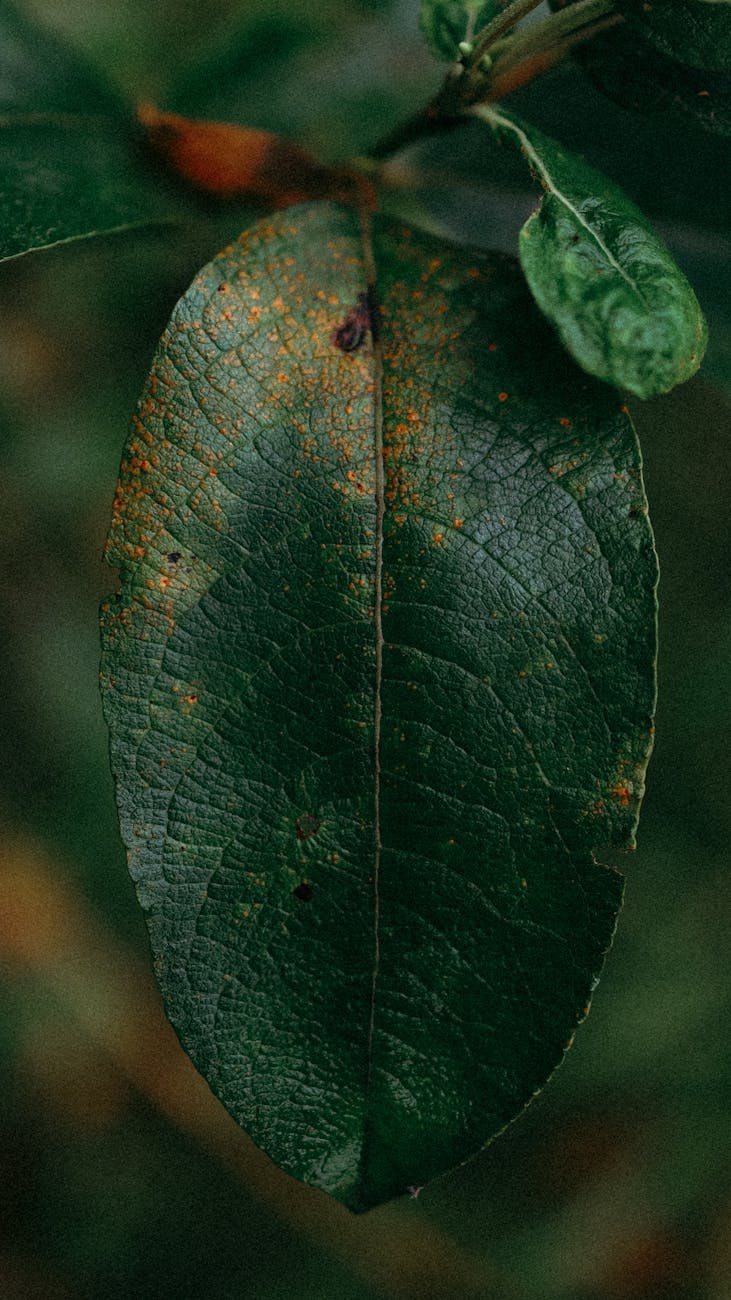
Rust diseases, such as apple rust or various wheat rusts, present a different visual signature, often appearing as orange, red, or brown pustules on the leaves. These pathogens typically establish systemic infections within the plant tissues, causing significant necrosis and reduced photosynthetic capacity over time. The mechanism here involves the fungus colonizing the epidermal cells and interfering with nutrient flow throughout the plant structure. Recognizing these signs allows a gardener to intervene before widespread tissue damage occurs.
Root and Stem Rot: The Underground Threat
Fungal pathogens also attack the subterranean structures of plants, leading to root rot or stem rot. This often results in wilting even when the soil appears moist, because the fungal mycelium has colonized the roots, physically blocking the uptake of water and essential mineral ions. In container gardening for small urban spaces, poor drainage is a major contributing factor here. If you are using containers, ensuring that the potting medium allows for adequate aeration prevents this type of subterranean decay from initiating in the first place.
Environmental Factors Driving Fungal Proliferation
Fungi do not simply appear; they require a specific confluence of environmental variables to transition from dormant spores to active pathogens. Analyzing these factors reveals actionable control points for urban gardeners. The interaction between plant stress and microclimate dictates the severity of any fungal outbreak we encounter.
Humidity and Temperature Dynamics
High relative humidity, sustained above 80%, drastically increases the surface water availability on leaf surfaces, which is a prerequisite for spore germination. Temperatures in the moderate range, coupled with persistent dampness, accelerate the metabolic rate of the fungal enzymes within the plant tissues. We observe that stagnant, humid air pockets near dense plantings create localized microclimates perfect for these infections to establish themselves rapidly. Managing this requires increasing airflow around plants and ensuring adequate ventilation in densely packed urban environments.
Soil Health and Drainage Mechanisms
The physical structure of the growing medium plays a crucial role in fungal management. Dense, water-retentive soil suffocates the roots by excluding necessary oxygen, creating an anaerobic environment that favors certain pathogenic fungi over beneficial microbes. When cultivating in containers, the substrate must possess high porosity to facilitate rapid water drainage and allow air pockets between soil particles to form. If the medium remains perpetually saturated, fungal activity accelerates irrespective of surface humidity levels.
Plant Density and Air Circulation
Crowding plants together in small urban plots severely restricts the convective heat and moisture exchange across the canopy. This lack of airflow traps excess moisture against the leaves, creating a persistently damp layer that actively encourages fungal colonization on the leaf surface. Creating space between plants allows air to move freely, drying the foliage after irrigation and significantly reducing the environmental conditions necessary for infection establishment.
Strategies for Organic Fungal Disease Management
Effective management relies on preemptive action and targeted intervention once symptoms are observed. Since we aim for organic gardening practices in urban settings, treatments must focus on restoring the plant’s resilience rather than introducing harsh chemical agents that impact the broader ecosystem.
Preventive Practices: Setting Up a Resilient Environment
The most robust defense against fungal diseases is establishing an environment where pathogens cannot establish themselves effectively. This involves meticulous attention to planting density and watering schedules. Practice appropriate spacing between plants so that sufficient air circulates throughout the canopy. When using container gardening pots, select media with excellent drainage properties, ensuring that water moves away from the root zone quickly. Monitoring humidity levels allows for proactive intervention, perhaps by increasing ventilation during peak damp periods.
Cultural Controls: Adjusting Care Regimens
Adjusting standard care practices directly impacts fungal risk. For instance, avoiding overhead watering during the late afternoon minimizes prolonged leaf wetness. Pruning infected foliage removes the source of inoculum and reduces the surface area available for further spore spread. Maintaining consistent, moderate moisture levels prevents the conditions that encourage rapid mycelial growth. When planting flowering plants in urban spaces, understanding their water needs is essential; research on companion planting often reveals synergistic effects that improve overall plant defense mechanisms.
Organic Treatments: Targeted Intervention
When an infection is confirmed, targeted organic treatments offer effective solutions. Treatments often involve applying fungicides derived from natural sources, such as baking soda solutions or copper-based compounds, applied directly to the affected areas. These agents work by disrupting the fungal cell membranes or inhibiting spore germination at the point of contact. Remember that the efficacy depends entirely on prompt application and adherence to dilution rates specified by the product instructions. This approach requires careful observation; treating symptoms is secondary to managing the root causes identified in the environmental analysis.
Tags: fungal diseases, urban gardening, garden pests, fungus control, small garden, organic gardening, plant diseases
Featured Image by Ekaterina Shishkonakova on Pexels.