
Optimizing Space Through Symbiotic Plant Interactions
When cultivating limited space, such as a city balcony, maximizing every square inch becomes a matter of strategic interaction rather than simple placement. We are not just fitting plants next to each other; we are engineering an ecosystem where individual plant health is mutually reinforced. This approach moves beyond simple aesthetics into the realm of applied ecology. Understanding how different plant species influence one another allows us to manipulate microclimates and reduce reliance on external inputs like chemical fertilizers or pest deterrents. This principle forms the core mechanism behind successful companion planting urban gardening.
Establishing Beneficial Plant Partnerships
The concept of companion planting relies on established, observable biological relationships between flora. Certain pairings exhibit synergistic effects where one plant actively enhances the growth, resilience, or pest resistance of its neighbor. We observe that this occurs primarily through volatile organic compound (VOC) emissions from leaves, root exudates affecting soil microbiology, and direct physical competition for resources like water and nutrients.
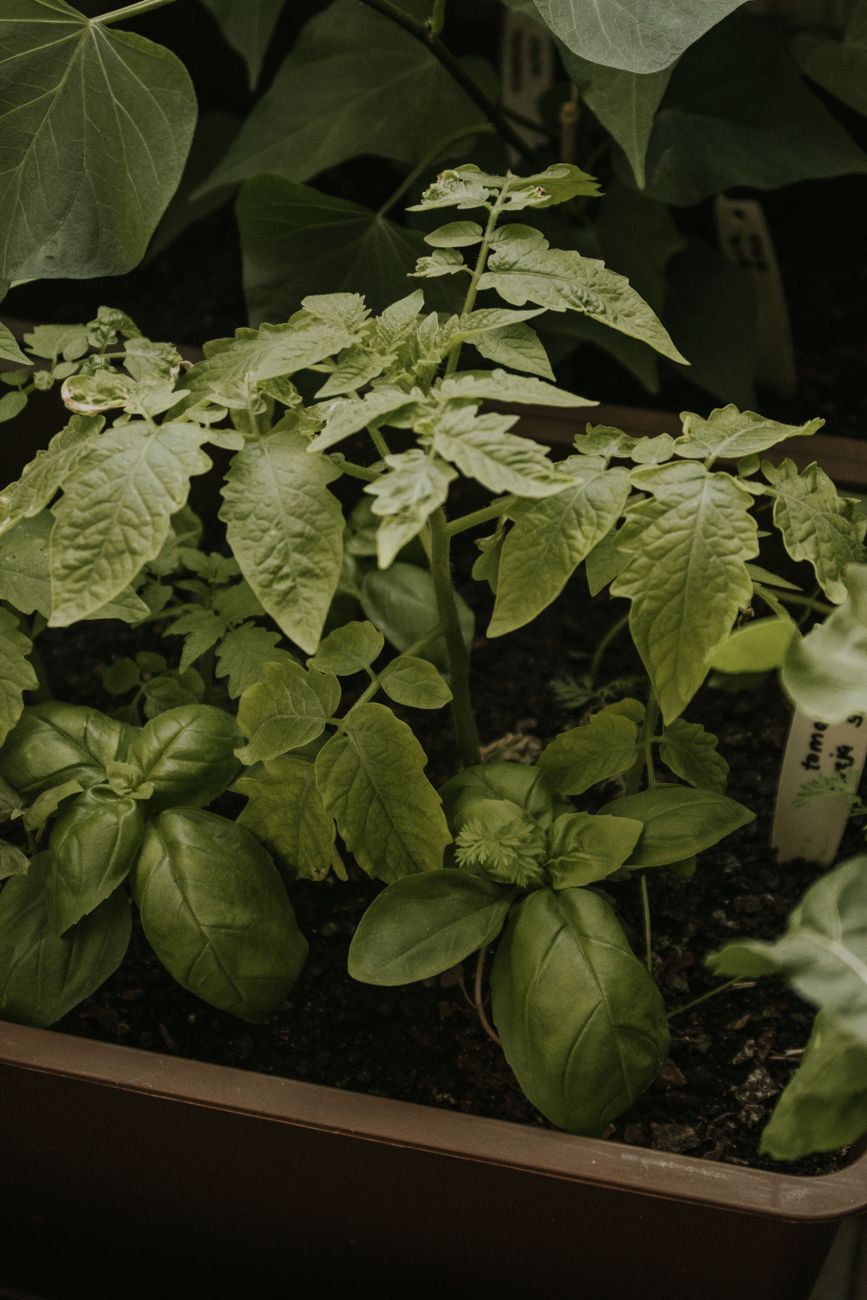
Consider the classic pairing of tomatoes and basil. Tomatoes require substantial support and rich soil to develop robust fruit structures, while basil thrives in proximity, often mitigating fungal infections on the tomato foliage. Basil’s strong aromatic profile acts as a natural repellent against certain airborne pests that might otherwise target the tomato plant. This interaction is not accidental; it is a finely tuned biological negotiation taking place between the root systems and the canopy above.
We see similar effects when considering pest management. Certain strong-smelling herbs, like marigolds or rosemary, release terpenes into the air that disrupt the olfactory cues used by common garden pests. This creates an unfavorable sensory environment for unwelcome insects settling on the adjacent vegetables. By implementing these pairings deliberately, we decrease the need for prophylactic pesticide application, which offers significant ecological benefits to the small urban footprint.
Managing Resource Competition and Light Exposure
A critical analytical point in balcony gardening is understanding how resource allocation dictates overall yield potential. Plants compete directly for finite resources embedded within the substrate and the available light spectrum reaching the balcony. When designing a planting scheme, we must account for these competitive dynamics.
For example, placing tall, light-demanding plants next to shorter, shade-tolerant ones requires careful spatial planning. We need to map out the solar exposure throughout the day. Plants that require intense direct sunlight should occupy the most exposed positions, while others can tolerate dappled light or partial shade. This awareness directly informs decisions about where specific varieties are situated on a narrow balcony railing or against a wall structure.
We also examine how root systems interact beneath the surface. Deeper-rooted plants draw water from lower soil layers, potentially stressing shallower-rooted companions if not managed correctly. Understanding root architecture allows us to design layering strategies that prevent destructive competition for moisture. This consideration ties directly into optimizing placement, especially when utilizing vertical structures like Vertical Gardening Systems for Balconies & Walls. Placing plants strategically against a wall can leverage the microclimate created by the masonry, influencing humidity and temperature profiles in ways simple horizontal placement cannot achieve alone.
Leveraging Microclimates for Enhanced Growth
The physical environment of a balcony is far from uniform; it possesses unique microclimates that must be exploited rather than ignored. Temperature fluctuations, wind patterns, and sun exposure vary significantly across the same small outdoor space depending on orientation and surrounding architecture.
We have found that utilizing these localized variations can dramatically increase productivity. Plants positioned in sheltered spots near a wall might experience more consistent, moderate temperatures, which is beneficial for sensitive varieties, whereas plants exposed to direct afternoon sun must be selected accordingly or supported by strategic shading. When planning your layout, mapping the daily path of the sun and observing wind corridors becomes an essential preliminary step before introducing any seeds or seedlings.
To maximize the utility of every available spot, we must consider how plants interact with their immediate physical surroundings. We can use adjacent plants to modulate these microclimates. A dense grouping of foliage creates a localized layer of shade, which can temper extreme heat spikes on sensitive leaves, effectively creating a self-regulating zone. This synergy is why maximizing the placement of plants according to local conditions becomes paramount to successful cultivation. Think about how much light each plant demands and strategically position them to meet those needs while benefiting from neighboring shade or warmth.
Implementing Companion Planting Strategies for Pest Suppression
The most tangible benefit of companion planting emerges in pest management. Instead of relying on broad-spectrum chemical interventions, we employ a layered defense system based on ecological principles. This involves creating an environment where beneficial organisms thrive alongside the target crops, and where natural deterrents are continuously deployed.
We look at how specific plant combinations establish this protective layer. For instance, incorporating strong-smelling aromatic herbs near susceptible vegetables establishes a constant chemical barrier against generalist pests. This is an active defense mechanism; the plants themselves are performing the pest control function. We observe that continuous, low-level aromatic emissions confuse or repel insects before they can establish significant feeding patterns.
This strategy works best when combined with plant density. Planting densely creates a living barrier that physically impedes pest movement across the surface of the foliage. This physical obstruction reduces access for crawling insects and limits the establishment of egg masses on susceptible plants. When integrating these practices, remember to align your placement with established principles concerning light exposure; optimizing the positioning based on how much light each species needs ensures that all plants are operating at peak photosynthetic efficiency, which naturally boosts their resistance to stress.
Scaling Up: From Balcony to Urban Harvest
The insights gained from small-scale companion planting directly inform larger urban gardening ambitions. The principles of symbiotic growth and microclimate manipulation scale up effectively when applied to container gardens or small raised beds situated in dense urban environments. We are essentially applying ecological knowledge to a constrained spatial reality.
Understanding the interplay between plants allows gardeners to move away from monoculture approaches, which often create fragile systems susceptible to widespread failure if one component is attacked by disease or pest. Instead, we design resilient food systems where diverse species support each other’s survival. This shift requires an analytical mindset focused on cause and effect in the garden environment.
By understanding how root exudates modify soil biochemistry and how foliage releases chemical signals, we gain predictive power over our growing conditions. We cease reacting to problems—like a sudden aphid infestation—and start proactively designing environments where infestations are less likely to take hold. This is the essence of intelligent urban cultivation: treating the balcony not just as a container space, but as an interconnected, living ecosystem demanding thoughtful, symbiotic management.
Tags: companion planting, urban gardening, balcony gardening, small space gardening, vegetable pairing, natural pest control, container gardening
Featured Image by Letícia Alvares on Pexels.