
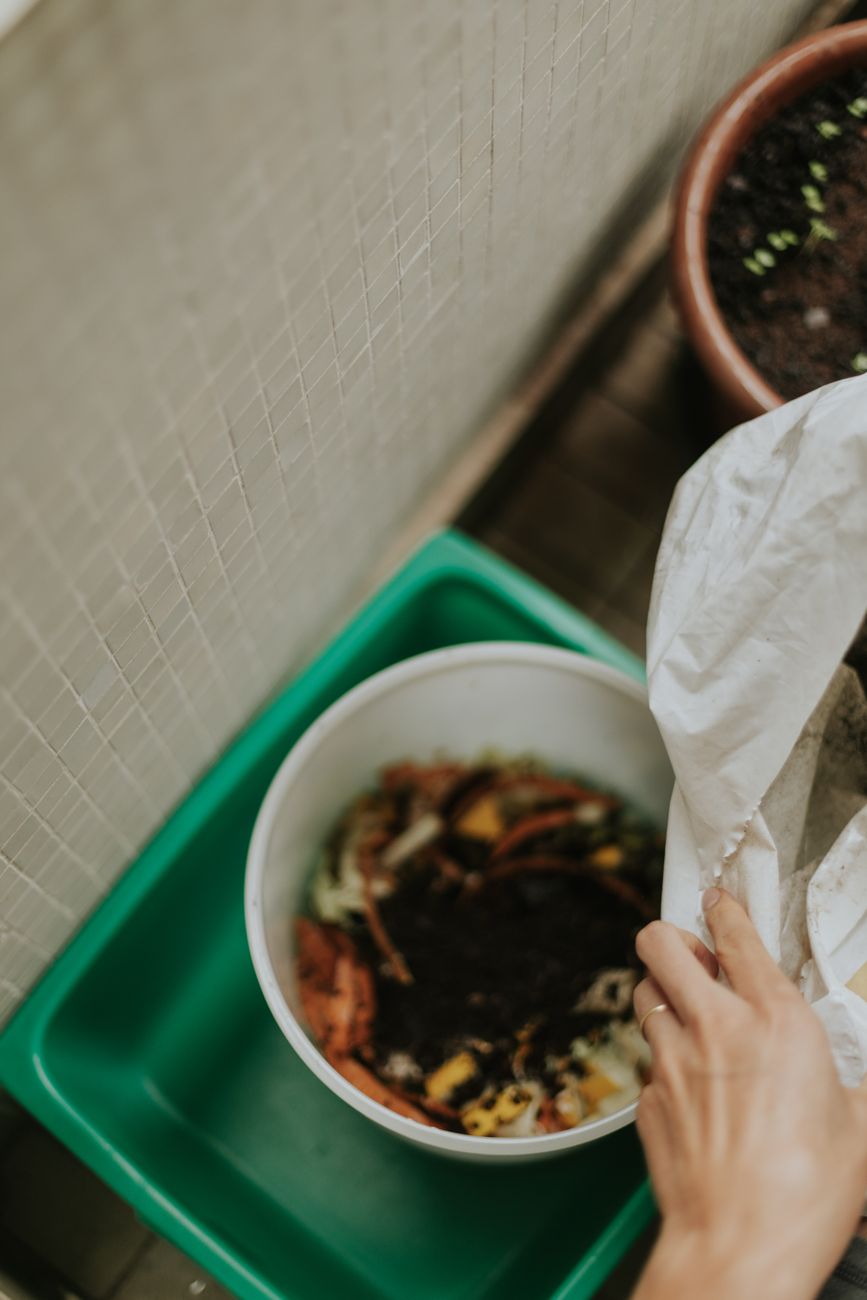
Optimizing Waste Streams for Urban Soil Health
When we consider limited square footage, maximizing output from minimal input becomes a core engineering challenge in small urban gardening. Vermicomposting addresses this directly by transforming organic waste into nutrient-rich humus. This process bypasses traditional soil amendment methods by creating a living biological system that recycles kitchen scraps and yard trimmings into a valuable growing medium. We observe from the data that the efficiency of this conversion hinges entirely on establishing a stable, balanced microbial community within the bin.
The mechanism behind vermicomposting small space gardening is decomposition accelerated by earthworms. These invertebrates ingest organic matter, breaking down complex polymers like cellulose and lignin through symbiotic digestive enzymes. This action liberates essential macro- and micronutrients that are otherwise locked in unusable forms. The resulting castings possess a significantly higher concentration of available nutrients compared to raw compost or simple soil amendments. Understanding this transformation is the first step toward successful operation.
Selecting the Optimal Worm Species
The choice of earthworm species dictates the rate of processing and the type of end product achieved. Different species possess varying tolerances for moisture, temperature fluctuation, and food types. For a small apartment setup, certain species demonstrate superior resilience in controlled environments. Red Wigglers (Eisenia fetida) are the empirically favored choice for indoor vermicomposting. These worms thrive in cooler, more stable conditions, which closely mimics typical indoor temperatures, allowing for consistent feeding schedules.
We must account for the physical requirements of these organisms. Red Wigglers require a substrate that is moist but not waterlogged; an optimal moisture content sits around 70–80 percent saturation. If the material becomes too dry, microbial activity slows dramatically, impeding the breakdown process. Conversely, excessive moisture promotes anaerobic conditions, leading to foul odors and pathogenic bacterial proliferation within the bin structure. This tight parameter control requires careful monitoring of substrate porosity daily.
Designing the Vermicomposting Small Space System
Setting up a functional system in an urban context demands spatial efficiency. A worm bin does not require significant floor space; vertical stacking or compact, multi-tiered designs are highly effective strategies for maximizing yield per square foot. We analyze container selection based on material science and thermal properties. Non-porous plastic bins, when properly ventilated, offer good structural integrity against moisture loss. However, materials that allow for some gas exchange are preferable to prevent the build-up of noxious gases generated during active decomposition.
The bin structure must facilitate airflow without compromising the habitat for the worms. Proper ventilation is critical because the microbial respiration generates heat and moisture; inadequate venting leads directly to overheating and stagnation. We see that systems with strategically placed air holes, rather than sealed containers, promote aerobic decomposition, which is essential for producing high-quality castings. Consider how you integrate this system with other urban gardening practices; companion planting, for example, can enhance the overall health of adjacent plant life by influencing soil microbial interactions (see Balcony Bounty: Companion Planting for Maximum Urban Yields).
Substrate Preparation: The Foundation of Success
The substrate is not merely a bed; it is the living matrix that supports the worm colony and dictates the nutritional profile of the final compost. For small space vermicomposting, we avoid using standard potting soil directly. This material often contains mineral imbalances or synthetic components that can stress the worms and inhibit beneficial microbial action. Instead, we construct a layered substrate focusing on carbon-rich materials mixed with bedding components.
A successful base layer involves incorporating shredded, aged shredded cardboard or newspaper, which provides necessary physical structure for the worms to burrow into. This structural element is then supplemented with coir or peat moss to manage moisture retention. The ratio of carbon to absorbent material needs careful calibration; too much absorbent material leads to rapid saturation and anaerobic zones, while too little results in a dense, poorly aerated environment where decomposition stalls. We need an input mix that balances aeration capacity with water holding capacity perfectly.
Feeding Protocols and Nutrient Cycling
The rate at which organic matter is introduced directly controls the worm population size and the speed of composting. Overfeeding introduces excess moisture and rapidly depletes available oxygen, triggering undesirable microbial shifts within the bin. Therefore, feeding must be measured and timed according to the worm mass present. We observe that feeding a small batch daily or every other day results in a more stable system than large, infrequent feedings.
The type of food matters immensely for the final product quality. Worms preferentially process fibrous, carbohydrate-rich materials over high-protein vegetables or excessive fats. Kitchen scraps—fruit peels, vegetable trimmings, and coffee grounds—provide the ideal caloric input for sustained worm activity. Avoid introducing excessive amounts of citrus or highly acidic foods, as these can alter the bin’s pH balance detrimentally. Monitoring the output stream reveals the system’s health; a slow, steady flow of rich castings indicates healthy, active digestion occurring within the substrate layers.
Managing Potential Pathogens and Disease Risk
While vermicomposting is inherently a biological process, managing potential pathogen introduction requires proactive awareness, especially when dealing with food waste streams. Introducing raw meat, dairy products, or highly processed foods into the bin risks introducing pathogens that thrive in warm, moist conditions. This risk necessitates meticulous pre-processing of all organic inputs before they enter the worm environment.
We must address microbial health within the system itself as well. If the composting process stalls, it can indicate an imbalance where pathogenic bacteria are outcompeting the desired decomposers. Understanding the principles of fungal diseases in urban gardens helps inform this perspective; managing humidity and airflow prevents the proliferation of molds that thrive when conditions become overly humid or stagnant. Maintaining a consistent, slightly drier substrate level helps suppress many opportunistic fungal growths by controlling the environmental moisture gradient.
Troubleshooting Common Small Space Issues
When setting up a vermicomposting small space system, specific issues often arise related to thermal regulation and moisture control. If you observe a rapid increase in bin temperature that exceeds 75 degrees Fahrenheit, immediately increase ventilation. This indicates an excessive rate of microbial respiration consuming oxygen faster than it can be replenished. Another common observation involves a thick, slimy layer on the substrate; this is a strong signal of anaerobic conditions developing due to overfeeding or insufficient aeration.
If odors become pungent or foul, this usually signals a severe imbalance, often caused by introducing materials that are too high in protein or excessive sugars, leading to rapid, unbalanced microbial action. Adjusting the food input to slower, more fibrous items corrects this imbalance immediately. We must constantly adjust parameters based on observable physical changes rather than relying solely on theoretical expectations. This iterative process of observation and adjustment is what distinguishes successful urban composting from simple waste dumping.
Tags: vermicomposting, apartment gardening, worm bin, small space composting, urban gardening, indoor composting, composting for beginners
Featured Image by Letícia Alvares on Pexels.