
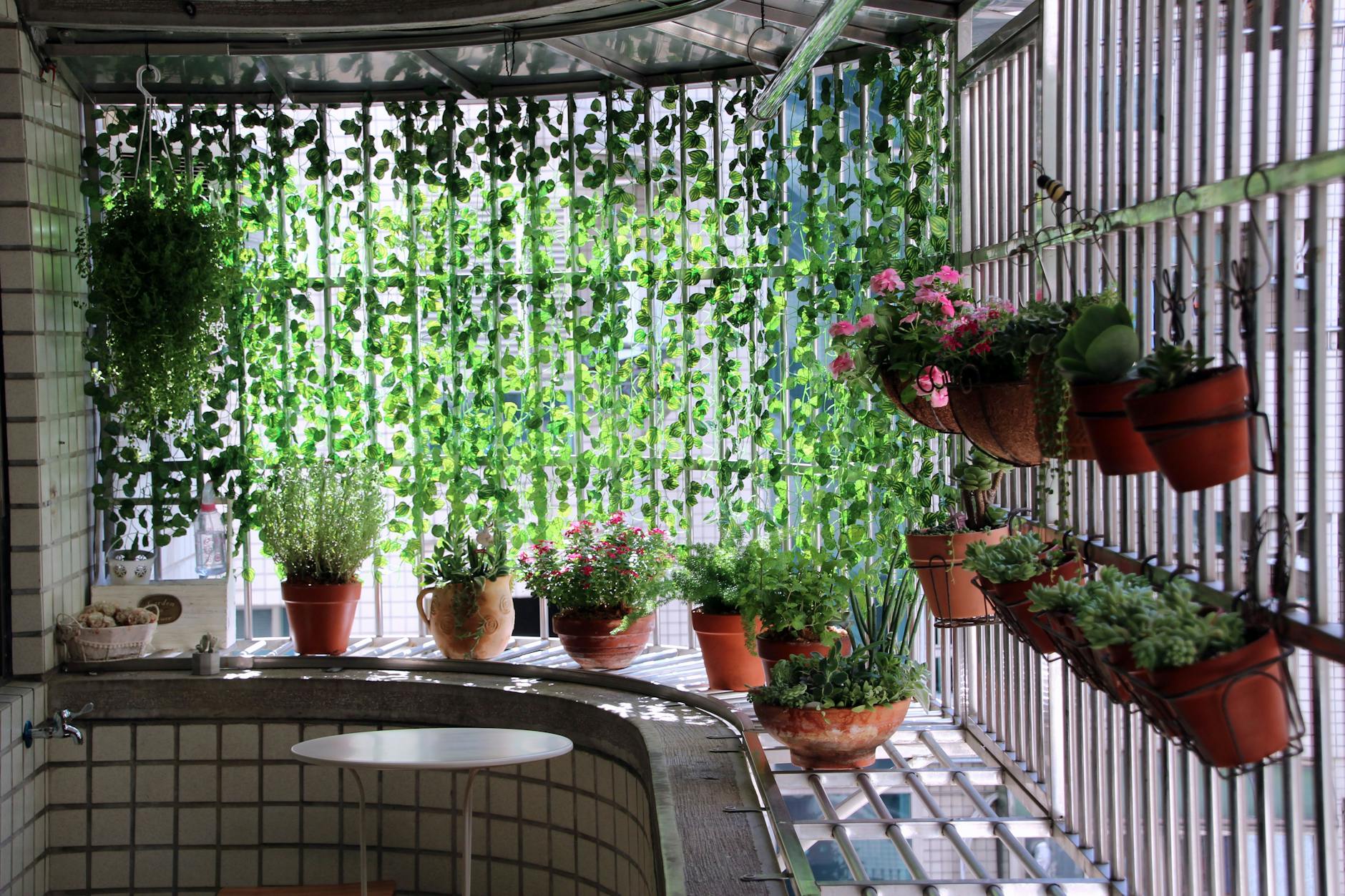
Transforming Your Balcony into a Green Oasis: Vertical Gardening Small Space Solutions
Balconies, whether they are small city terraces or sprawling urban retreats, offer incredible potential for growing your own fresh produce. If you’re looking to maximize your harvest without sacrificing precious floor space, vertical gardening small space techniques are your secret weapon. Forget the myth that you need acres of land to be a successful gardener; with smart design and vertical strategies, you can create lush, productive green walls right outside your door.
This guide is packed with actionable hacks, creative DIY projects, and expert tips to help you turn an overlooked balcony into a thriving edible landscape. We will explore everything from simple container stacking to advanced pallet systems, ensuring that every inch of your limited space contributes to your food supply.
Why Vertical Gardening is Essential for Small Spaces
The reality of urban living often means dealing with limited square footage. When traditional in-ground gardening isn’t an option, going vertical becomes not just a trend, but a necessity.
Maximizing Limited Footprint
In small-space gardening, the key is utilizing the vertical plane rather than the horizontal floor space. By growing upwards, you effectively multiply your growing area without encroaching on walkways or furniture. This approach is perfect for balconies where floor space is scarce.
Increasing Growing Density
Vertical systems allow you to stack multiple plants in a confined area. Imagine growing herbs, lettuce, and strawberries all at once! This density means a higher yield from a smaller footprint, making your balcony an even more productive extension of your kitchen.
Enhancing Air Circulation
When plants are stacked vertically, they often benefit from better air circulation. This airflow helps prevent fungal diseases, which are common problems in dense container gardening, keeping your plants healthier and more robust.
Choosing the Right Vertical Gardening System for Your Balcony
The first step to success is selecting a system that suits your balcony’s size, weight capacity, and aesthetic goals. There are numerous ways to approach vertical gardening small space, each with its own pros and cons.
Pallet Gardening: The Rustic and Reusable Option
Wooden pallets offer an incredibly cost-effective and rustic solution for creating vertical planters.
- Pros: Highly affordable, readily available, provides a natural aesthetic, and is excellent for creating large, sturdy shelving units.
- Cons: Requires careful treatment (ensure pallets are heat-treated/HT for outdoor use), and the wood may require sealing to prevent rot over time.
- Application: Ideal for creating multi-tiered shelves or hanging planter boxes.
Stackable Planters and Shelving Units
For a cleaner, more contemporary look, commercially available stacking pots, tiered shelving units, or custom-built wooden frames are excellent choices.
- Pros: Offer clean lines, are often made from durable, weather-resistant materials (like treated wood or recycled plastic), and provide excellent drainage control.
- Cons: Can be more expensive upfront than DIY pallet projects.
- Application: Great for growing leafy greens and herbs where neat organization is appreciated.
Hanging Planters and Rail Systems
When space is truly limited, utilizing the railings or walls themselves is the next logical step.
- Pros: Maximizes vertical space with minimal floor footprint; perfect for railing balconies.
- Cons: Requires secure mounting to prevent falling hazards; weight limitations must be considered.
- Application: Perfect for trailing plants like strawberries, peas, or cascading herbs.
Step-by-Step Vertical Gardening Hacks
Now that you have an idea of the systems, let’s dive into practical hacks for implementation.
Hack 1: The Pallet Wall Garden System
This is a highly popular method for maximizing vertical gardening small space using reclaimed materials.
- Prepare the Pallets: Ensure your pallets are structurally sound and safe for outdoor use. Sand down any rough edges if desired.
- Create the Structure: Stack the pallets horizontally or vertically to create sturdy shelving units. You can secure them together using strong bolts or brackets.
- Add Drainage: Before adding soil, ensure every container has adequate drainage holes at the bottom. Use landscape fabric at the base of each shelf to prevent soil from washing out.
- Fill and Plant: Start with lightweight, well-draining potting mix. Layer your chosen plants—use climbing beans or peas for vertical growth, and herbs in shallower containers.
Hack 2: Repurposing Bookshelves and Crate Stacks
If you have existing furniture, give it a second life by turning it into a garden feature.
- Bookshelf Method: Use sturdy, narrow bookshelves and attach small vertical planters or hanging pockets to the sides. This keeps your growing area neatly contained.
- Crate Stacking: Stack wooden crates (ensure they are untreated wood) to create a tiered planter. This works exceptionally well for growing root vegetables or larger herbs in a compact footprint.
Hack 3: Choosing the Right Containers for Vertical Growth
The container you choose dictates how effectively your vertical system functions.
- Fabric Grow Bags: These are fantastic for vertical systems because they are lightweight, breathable, and allow roots to expand freely without being constricted by rigid plastic.
- Pocket Systems: Fabric or felt pockets hung on a wall or railing are ideal for trailing plants, maximizing surface area usage.
- Repurposed Bottles/Tins: For very small-scale herb gardening, clean glass bottles or food tins can be hung upside down to create mini-planters.
Selecting the Perfect Soil Mix for Balcony Success
The secret to thriving vertical gardens lies not just in the structure but in what you feed your plants. Since container gardening naturally drains faster and soil volume is restricted, using the right medium is crucial. Don’t use heavy garden soil; it compacts too easily and suffocates roots.
The Importance of Urban Soil Mix for Balconies: A Beginner’s Guide
When gardening in a vertical gardening small space, you need a light, airy, and nutrient-rich mix tailored for containers. A good urban soil mix balances water retention with excellent aeration.
- Aeration is Key: Use materials like perlite or vermiculite to ensure there is plenty of air pockets around the roots, which prevents root rot—a major risk in small pots.
- Nutrient Balance: Incorporate compost and worm castings into your mix to provide slow-release nutrients for your herbs and vegetables.
- Drainage Focus: Ensure your chosen soil mixture allows water to flow freely, especially in vertical setups where excess water can quickly overwhelm the system.
Maximizing Yield Through Smart Planting Strategies
Once your structure and soil are set up, smart planting techniques ensure you get the most out of every inch of your vertical gardening small space.
Layering for Maximum Harvest
Think vertically to layer different plant types together:
- Top Tier (Sun Lovers): Place sun-loving plants like tomatoes (in larger hanging pots), peppers, or rosemary here.
- Middle Tier (Medium Needs): Fill this area with your primary herb collection—basil, mint, and thyme—which thrive in shallower containers.
- Bottom Tier (Shade/Moisture Lovers): Use this space for leafy greens like lettuce, spinach, or mint, which can tolerate slightly less intense light and benefit from consistent moisture.
Utilizing Trellising for Climbing Plants
For beans, peas, cucumbers, and even certain squash varieties, vertical gardening is best achieved through trellises. Install a simple frame or use netting attached to your vertical structure. This allows the plants to climb, maximizing their exposure to sunlight and allowing you to harvest multiple crops from a single vertical column.
Essential Maintenance for Thriving Vertical Gardens
A beautiful setup requires consistent care. Because these systems are so close to you, monitoring them daily is easy and highly rewarding.
Watering Discipline
Vertical planters can dry out much faster than in-ground beds due to increased surface area exposure. Check the soil moisture daily, especially during hot weather. Water thoroughly until you see water draining from the bottom of the container, ensuring all roots receive adequate hydration without becoming waterlogged.
Pest Management in Small Spaces
When plants are densely packed, pests can spread quickly. Proactive management is essential for keeping your harvest clean and organic. Learn to identify early signs of pests and use gentle methods:
- Natural Sprays: For dealing with common garden nuisances, explore solutions like those found in Mastering Pest Control with Natural Sprays: DIY Insecticidal Solutions.
- Airflow Check: Ensure you are maintaining good air circulation between plants to naturally deter many pests.
Feeding Your Vertical Crops
Since you are using a limited volume of soil, nutrients can be depleted quickly. Supplement your vertical garden with regular feeding. Use diluted organic liquid fertilizers or compost tea every few weeks to keep your herbs and greens lush and productive.
Conclusion: Your Balcony Harvest Awaits
Vertical gardening small space is more than just a clever way to arrange pots; it’s a philosophy of maximizing potential in any environment. By embracing vertical structures, choosing the right materials like repurposed pallets or fabric pockets, and maintaining proper soil health, you can transform a modest balcony into a lush, abundant source of fresh food. Start small, experiment with stacking techniques, and watch your urban garden flourish!
Tags: vertical gardening, small space gardening, balcony gardening, urban gardening, container gardening, apartment gardening, vertical garden
Featured Image by 東森 傅 on Pexels.