
Embrace the Green Revolution: Effective Natural Pest Control for Your Garden
Gardening is a rewarding pursuit, offering peace, fresh produce, and a connection to nature. However, as we strive for vibrant blooms and bountiful harvests, we inevitably encounter unwelcome guests: garden pests. The temptation to reach for harsh chemical pesticides can be strong, but for the health of your plants, your family, and the environment, there is a much smarter, gentler approach. This guide will walk you through mastering natural pest control gardening techniques, empowering you to create a pest-free sanctuary using simple, effective homemade sprays and preventative strategies.
Understanding the Enemy: Identifying Common Garden Pests
Before we can effectively fight any pest, we must know what we are dealing with. Misidentifying an insect or a fungal issue can lead to ineffective treatments or, worse, harm beneficial insects. Taking the time to observe your garden is the first crucial step in any successful natural pest control gardening plan.
Common Garden Pests You Need to Know
Different pests require different solutions. Learning their signs allows you to act swiftly and precisely.
- Aphids: These tiny, pear-shaped insects cluster on new growth, sucking sap from stems and leaves. They are often a major concern for vegetable plants.
- Caterpillars (Lepidopteran Larvae): The larvae of moths and butterflies can devour leaves and foliage rapidly. Identifying the specific caterpillar is key to choosing the right repellent.
- Slugs and Snails: These mollusks leave behind silvery trails on leaves and are notorious for eating tender seedlings overnight.
- Whiteflies: These are tiny, white, winged insects that cluster on the undersides of leaves, often thriving in hot, dry conditions.
- Fungus Gnats: These small, black flies are attracted to moist soil and decaying organic matter, often indicating overly wet conditions.
The Foundation of Organic Pest Management
Effective natural pest control gardening isn’t just about spraying; it’s about creating an ecosystem where beneficial insects thrive and pests are naturally managed. This holistic approach focuses on prevention rather than reaction.
Promoting a Healthy Soil Ecosystem
The health of your soil directly impacts the health of your plants, making them naturally more resistant to pests. When the soil is rich in organic matter, it supports a robust microbial life that keeps pest populations in check.
- The Power of Composting: Creating your own compost is one of the best ways to enrich your garden. Healthy, compost-rich soil provides the nutrients plants need to grow strong defenses against attack. For beginners interested in building this foundation, understanding how to manage organic inputs is vital; resources like Composting for Beginners: Your Guide to Healthy Soil offer excellent starting points.
Encouraging Beneficial Insects
Instead of eradicating all insects, the goal should be to encourage the presence of predators that naturally control pest populations.
- Attracting Good Guys: Plant flowers and herbs that attract beneficial insects like ladybugs (which eat aphids) and parasitic wasps. Dill, fennel, yarrow, and cosmos are excellent choices for creating a pollinator-friendly habitat.
- Avoiding Harm: Be mindful when introducing beneficials. Avoid broad-spectrum chemical sprays, as they will kill the beneficial insects alongside the pests you are trying to eliminate.
DIY Insecticidal Sprays: Homemade Solutions That Work
When preventative measures aren’t enough, a targeted, homemade spray provides a safe and effective intervention against specific pest problems. These solutions rely on natural compounds with moderate toxicity to pests but are safe for humans and pets when used correctly.
Recipe 1: The Gentle Soap Spray (Excellent for Soft-Bodied Pests)
This is perhaps the most accessible and widely recommended homemade solution for many common garden pests, particularly aphids, whiteflies, and spider mites.
Ingredients:
- Water (1 gallon)
- Mild liquid castile soap (avoid harsh detergents) or insecticidal soap
- A few drops of mild, organic horticultural oil (optional, for smothering)
Instructions:
- Mix 1 to 2 teaspoons of mild soap into one gallon of water.
- Gently mix the solution by hand to avoid creating excessive foam.
- Spray directly onto the infested plants, ensuring good coverage on the undersides of leaves where pests hide.
- Apply in the late evening when temperatures are cooler to prevent leaf burn. Reapply every few days as needed.
Recipe 2: The Garlic & Chili Repellent Spray (For Deterrence)
This spray works by creating an unpleasant sensory experience for pests, acting as a repellent rather than a fast killer. It is excellent for deterring slugs and some crawling insects.
Ingredients:
- 4-6 cloves of garlic
- 2-3 dried chili peppers (or 1 fresh hot pepper)
- 1 quart of water
- 1 tablespoon mild dish soap (as an emulsifier)
Instructions:
- Crush the garlic and chilies together to release their oils.
- Steep this mixture in the quart of water for at least 24 hours.
- Strain the liquid, discarding the solids.
- Add the soap back into the strained liquid and mix well.
- Spray onto affected foliage.
Recipe 3: Neem Oil Spray (A Powerful Organic Option)
Neem oil is a fantastic organic insecticide and fungicide derived from the neem tree. It disrupts the life cycle of many insects and is safe for beneficial insects when used correctly.
Ingredients:
- Organic cold-pressed Neem oil
- Water
- Emulsifier (a small amount of mild soap)
Instructions:
- Follow the instructions on the bottle for dilution. Generally, a mixture of neem oil and water, with a little soap to help it mix, is sufficient.
- Apply thoroughly to the leaves, focusing on the areas where pests are concentrated.
- Allow the oil to sit on the leaves for several hours before watering heavily, as some gardeners recommend avoiding spraying in direct, intense sun.
Advanced Strategies for Natural Pest Control Gardening
Moving beyond simple sprays involves implementing long-term strategies that keep pest populations low and create resilient garden environments.
Physical Barriers and Mechanical Removal
Sometimes the most effective method is physical intervention. These methods are zero-chemical and highly effective against larger infestations.
- Hand Picking: For larger pests like caterpillars or slugs, physically removing them is the most direct solution. Do this in the early morning or late evening when they are most active.
- Row Covers and Barriers: Using fine mesh row covers can physically block flying insects from laying eggs on your crops. This is particularly useful for protecting tender seedlings.
- Water Blast: A strong, direct jet of water can be highly effective at dislodging soft-bodied pests like aphids.
Companion Planting for Natural Defense
Companion planting utilizes the natural interactions between different plants to create a synergistic pest management system. Certain plant combinations naturally repel pests or attract beneficials.
- Strong Repellents: Marigolds, basil, and rosemary are well-known for their strong scents that can deter various flying insects.
- Trap Crops: Planting specific, less desirable plants near your main crops can sometimes act as a trap for pests, diverting them away from your prized vegetables.
Integrating Pest Control with Soil Health
Remember that the overall resilience of your garden depends on healthy soil and balanced plant life. If you focus energy on improving your soil health, you are investing in long-term natural pest control gardening.
When you practice good composting techniques, you feed the beneficial microorganisms in the soil, which naturally produce substances that inhibit pest growth. Furthermore, when plants are fed with organic matter, they develop stronger cell walls and greater defenses against herbivory. For those looking to maximize the output from limited spaces, considering methods like Container Gardening for Small Spaces: Maximize Yields on Balconies can help you manage your space efficiently while focusing on organic growth.
By combining smart identification, proactive habitat creation, and targeted, gentle treatments, you can successfully achieve natural pest control gardening. Embrace the rhythm of nature, nurture your soil, and watch your garden flourish in a healthy, beautiful way!
Tags: pest control, organic gardening, homemade sprays, insecticides, garden health, natural solutions, organic gardening
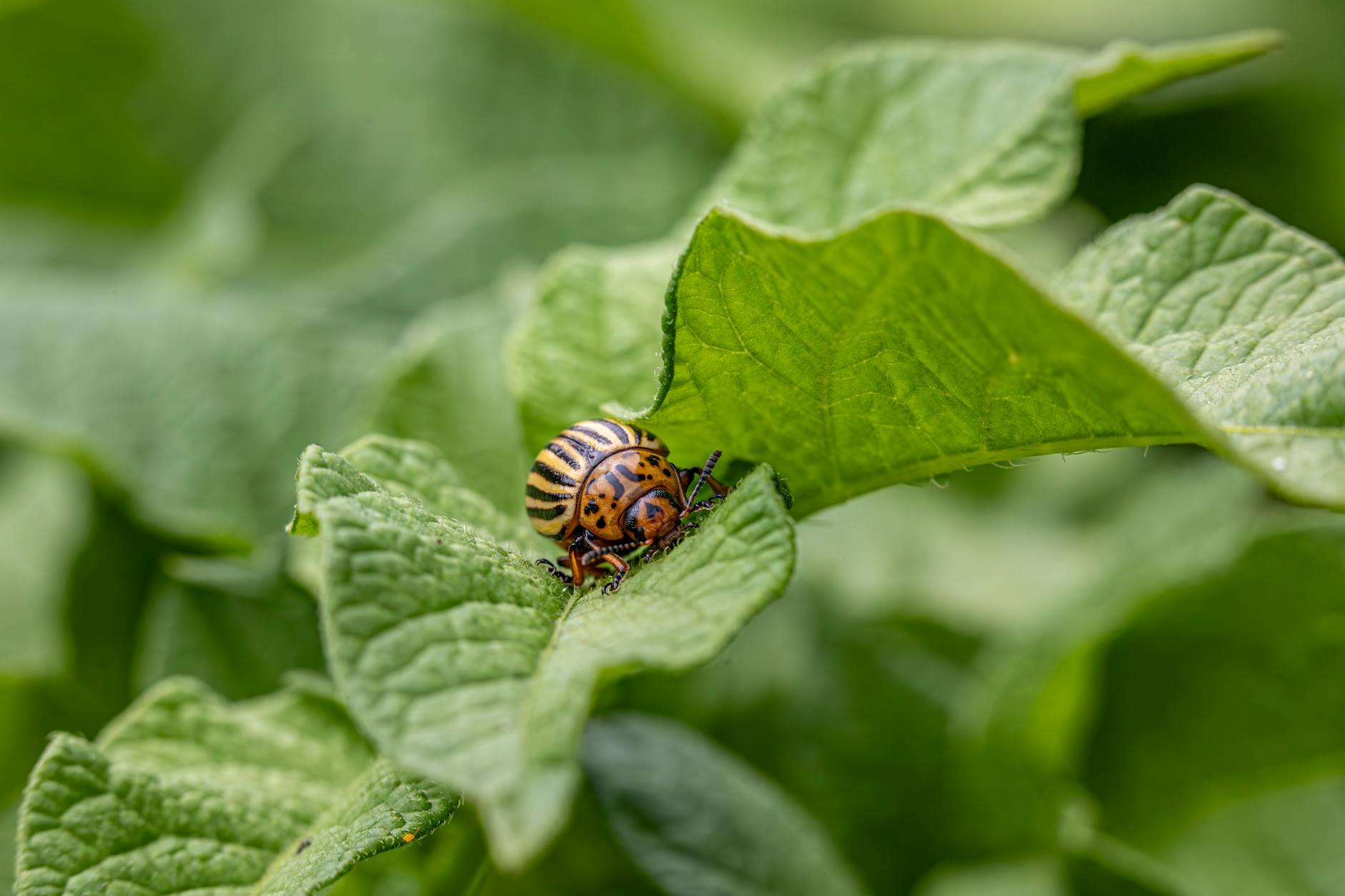
Featured Image by Erik Karits on Pexels.