
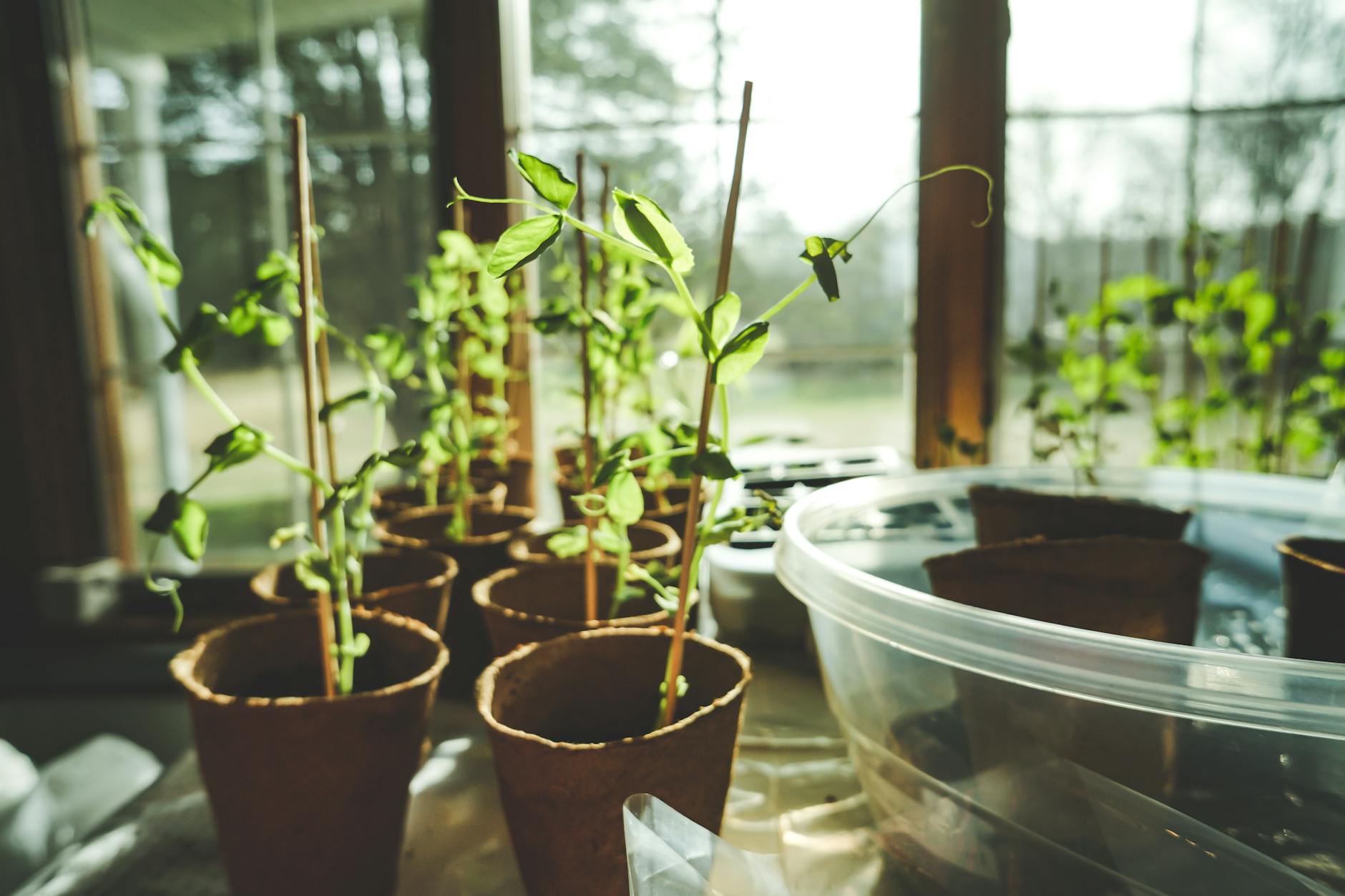
Getting Started with Indoor Seed Starting for Urban Gardening
Welcome to the exciting world of urban gardening! Whether you have a sprawling backyard or just a sunny windowsill, bringing plants indoors is a fantastic way to start your journey. For city dwellers and small-space gardeners, indoor seed starting urban gardening offers incredible control, protection, and the ability to begin growing your favorite vegetables, herbs, and flowers well ahead of time. This comprehensive guide will walk you through every step, ensuring that even absolute beginners can successfully germinate their seeds indoors and prepare for a bountiful outdoor harvest.
Why Start Seeds Indoors? The Urban Gardener’s Advantage
Starting seeds indoors isn’t just about having plants ready sooner; it offers significant advantages, especially when gardening in an urban environment where space and conditions can be unpredictable.
Controlled Environment and Optimal Conditions
Indoors, you have complete control over the environment. You can precisely manage temperature, humidity, and light exposure, which are often the biggest hurdles for new gardeners. This controlled setting allows delicate seedlings to develop strong root systems before they face the unpredictability of outdoor conditions.
Protection from the Elements
City environments can present harsh weather—intense heat, unexpected cold snaps, or heavy rain. Starting indoors protects your vulnerable seeds and newly sprouted seedlings from these external threats, giving them a stable environment to establish themselves.
Maximizing Space Efficiency
For urban gardeners, space is precious. While you might not have large outdoor beds, indoor containers allow you to maximize your limited square footage. This method is perfect for balconies, windowsills, or even small indoor shelves.
Essential Supplies Checklist for Indoor Seed Starting
Before you dive into the seeds, gathering the right materials is crucial for a successful start. Having everything ready prevents frustrating mid-process delays.
Choosing Your Containers
The container you choose will dictate the environment for your seeds. They must be appropriately sized to allow for root growth and drainage.
- Drainage is Non-Negotiable: Every pot must have adequate drainage holes at the bottom. Without proper drainage, roots will sit in stagnant water, leading to root rot—a common killer of indoor starts.
- Material Matters: Terracotta, plastic, or fabric pots all work, but ensure they are lightweight and suitable for your chosen growing medium.
Selecting the Right Growing Medium
The soil you use indoors needs to be light, airy, and nutrient-rich to support tender seedlings. Do not use heavy garden soil, as it compacts easily and retains too much moisture.
- Seed Starting Mix: Use a high-quality, sterile seed-starting mix specifically formulated for indoor starting. These mixes are lighter and contain the right balance of aeration and water retention.
- For Balcony Growers: If you are planning to use your balcony space creatively, understanding soil composition is key. For instance, exploring resources like Urban Soil Mix for Balconies: A Beginner’s Guide can help you formulate a perfect base for future outdoor success.
Seeds and Starter Pots
Choose high-quality, non-GMO seeds appropriate for your climate. Start with seeds that are known to germinate easily. Ensure your pots are clean and dry before use.
Step-by-Step Guide to Indoor Seed Starting Urban Gardening
Follow this systematic process to ensure your indoor seed starting is successful and sets you up for success outdoors.
Phase 1: Preparing the Seeds and Pots
Step 1: Soak or Pre-treat Seeds (Optional but Recommended)
Some seeds benefit from a short soak in lukewarm water to help them hydrate before planting. Check specific seed packet instructions, as this step varies by plant type.
Step 2: Fill the Containers
Gently fill your chosen containers with the prepared seed-starting mix. Do not pack the soil down tightly; leave some room for air pockets.
Step 3: Sowing the Seeds
Follow the depth instructions on your seed packet carefully. Most seeds should be sown shallowly, just below the surface of the growing medium. For seeds that require more depth (like some larger seeds), follow those specific directions.
Phase 2: Creating the Ideal Indoor Environment
The success of indoor seed starting urban gardening hinges on creating a stable microclimate.
Step 4: Providing Light
Light is food for your plants, and indoors, this is often the most challenging element.
- Window Light: Place your containers near a bright, unobstructed window. South-facing windows offer the most consistent light throughout the day, which is ideal for most vegetables and herbs.
- Supplemental Lighting: If natural light is insufficient (especially in darker urban apartments), you will need grow lights. Full-spectrum LED grow lights are highly effective for indoor gardening and ensure your seedlings receive the necessary energy to thrive.
Step 5: Controlling Temperature and Humidity
Seedlings need warmth and moisture to germinate properly, but they must avoid excessive dampness.
- Temperature: Maintain a warm temperature, ideally between 65°F and 75°F (18°C and 24°C). Avoid placing pots near cold drafts from windows or air vents.
- Humidity Management: High humidity is often beneficial for germination but can encourage fungal diseases if conditions are too damp. Use a pebble tray method or a small humidity dome to maintain adequate moisture without creating stagnant, overly wet conditions around the pots.
Phase 3: Ongoing Care and Maturation
Once seeds sprout, your focus shifts to nurturing the fragile young plants.
Step 6: Watering Techniques
Water sparingly and carefully. Always water from the bottom if possible, or use a gentle misting technique to avoid disturbing the delicate emerging roots. Ensure the soil is moist but never soggy.
Step 7: Monitoring and Repotting
As seedlings grow, they will quickly outgrow their initial small pots. This is called transplanting or repotting. When roots start circling the bottom of the pot, it’s time to move them into slightly larger containers with fresh, quality potting mix.
Troubleshooting Common Indoor Seed Starting Issues
Even with the best intentions, indoor growing can present unexpected challenges. Being prepared to troubleshoot is a hallmark of an expert gardener.
Problem 1: Seeds Won’t Sprout (No Germination)
- Cause: Incorrect temperature, lack of light, or poor-quality seeds.
- Fix: Check your light exposure and ensure the soil is moist but not waterlogged. Try a different batch of seeds if issues persist.
Problem 2: Leggy Growth (Stretched, Pale Stems)
- Cause: Insufficient light exposure. Plants stretch desperately toward the light source in a search for energy.
- Fix: Move the pots closer to your light source or introduce supplemental grow lights. Ensure adequate light is distributed evenly across all plants.
Problem 3: Fungal or Bacterial Issues (Wilting, Spots)
- Cause: Excess moisture and poor air circulation leading to damp, stagnant conditions.
- Fix: Improve air flow around the plants. Ensure excellent drainage in your pots. Avoid overwatering at all costs; allow the soil to dry slightly between waterings.
Moving from Indoor Success to Outdoor Reality
The goal of indoor seed starting urban gardening is to build confidence and knowledge before transitioning to the outdoor environment.
Once your seedlings are strong, robust, and have developed a healthy root system indoors—usually about three to four weeks after germination—they are ready for their next big adventure! This transition is exciting, as you move from a controlled environment to the real world of gardening.
For those looking to maximize their small balcony or patio space while growing herbs and vegetables, understanding how to utilize vertical space can be incredibly helpful: Vertical Gardening Hacks for Tiny City Balconies. Furthermore, ensuring your outdoor planting environment is successful starts with the right foundation; remember that a quality soil mix is essential for long-term health, whether indoors or out: Urban Soil Mix for Balconies: A Beginner’s Guide.
By mastering the art of indoor seed starting, you are laying a strong foundation. Embrace the process, observe your plants daily, and enjoy the rewarding experience of cultivating your own food in your urban oasis!
Tags: indoor gardening, seed starting, urban gardening, beginner gardening, indoor seeds, seedlings, container gardening
Featured Image by . ▃ on Pexels.