
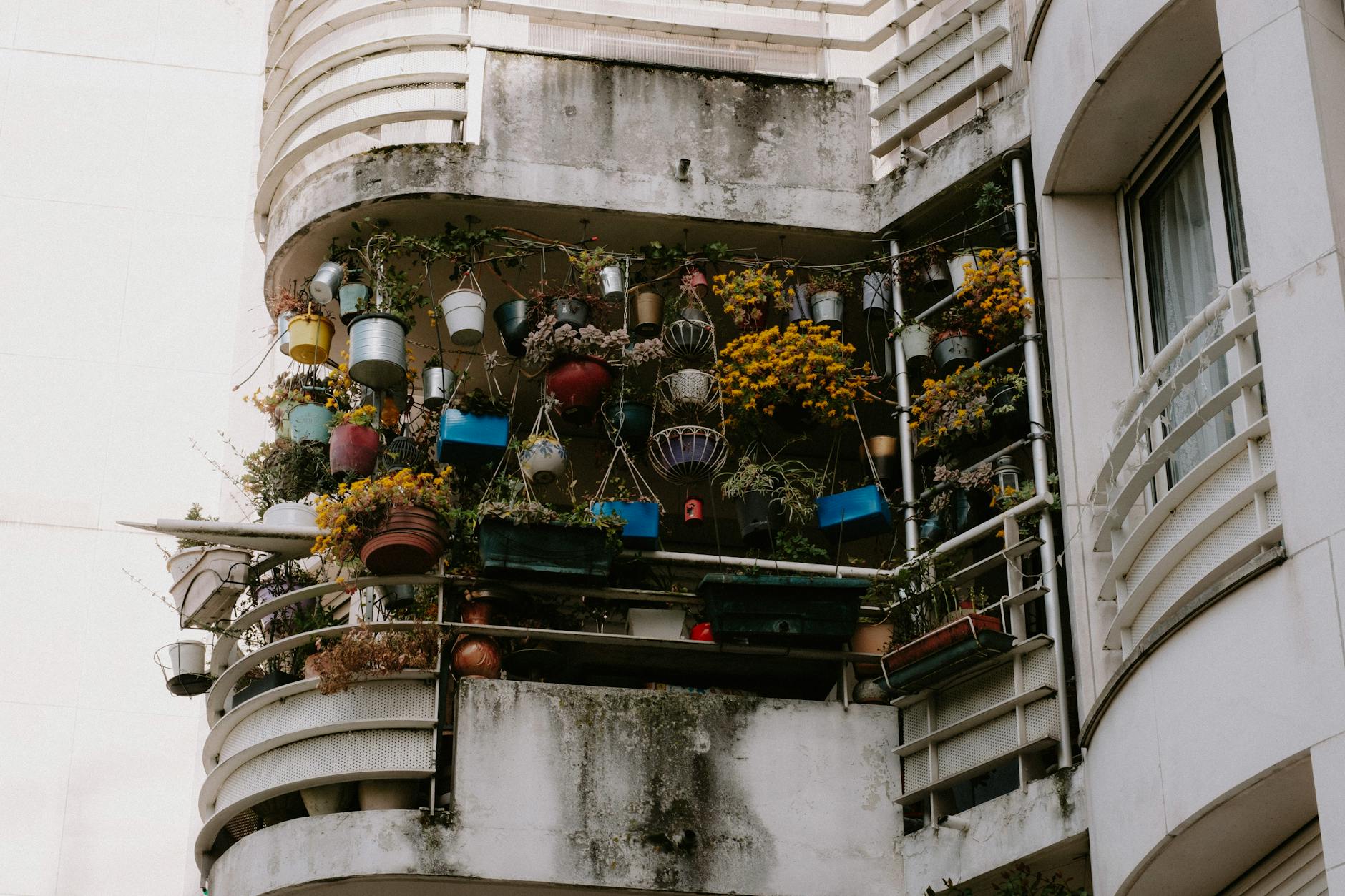
Maximizing Your Micro-Space: Essential Vertical Gardening Hacks for City Living
Living in an urban environment often means trading sprawling yards for cozy city balconies or tiny patios. While the desire to grow fresh herbs, vegetables, and beautiful flowers is strong, limited horizontal space can feel like a major roadblock. The good news? You don’t need acres to become a green thumb! Embracing vertical gardening hacks urban spaces is the secret weapon for city dwellers looking to transform those overlooked vertical surfaces into thriving edible landscapes. This guide will walk you through innovative, space-saving, and highly effective methods to maximize your balcony, patio, or even an interior wall into a productive green oasis.
Why Vertical Gardening is the Smart Choice for Urban Dwellers
The appeal of vertical gardening stems from its inherent ability to solve the most common urban gardening problem: lack of space. By growing upwards instead of outwards, you utilize unused wall space, turning neglected surfaces into productive assets. Furthermore, vertical setups offer several significant advantages that make them ideal for small-scale city gardening:
- Space Efficiency: This is the most obvious benefit. Vertical systems allow you to grow multiple plants in the footprint of a single pot, multiplying your harvest without consuming precious floor space.
- Accessibility: Placing plants vertically makes harvesting incredibly easy. You can reach herbs and greens without excessive bending or reaching, leading to more frequent engagement with your garden.
- Improved Airflow: Unlike dense, flat arrangements, vertical systems allow for better air circulation around the roots. This is crucial for preventing common issues like fungal diseases, especially in confined urban environments.
- Aesthetic Appeal: A well-designed vertical garden adds a stunning architectural element to your balcony or wall, enhancing the aesthetic appeal of your urban living space.
Choosing Your Vertical Gardening Setup: Material Matters
Before diving into specific hacks, selecting the right structure is key. The materials you choose will affect weight capacity, water retention, and longevity.
Trellises and Railings: Utilizing Existing Structures
Many balconies come equipped with railings or existing wall structures that can be ingeniously repurposed for gardening.
- Simple Wooden Pallets: Old wooden pallets, when properly treated, make excellent, rustic frames for stacking planters. They are cost-effective and offer a natural, warm aesthetic perfect for urban settings.
- Wire Mesh and String: Simple wire mesh or string can be strung across railings to support lightweight planters or hanging baskets. This is a quick, low-commitment way to start experimenting with vertical gardening hacks urban.
Modular and Hanging Systems: The Space Savers
For maximum density, modular systems are unbeatable.
- Pocket Systems: Fabric pockets sewn onto a wooden board or PVC pipe allow you to plant directly into the fabric. These are excellent for strawberries, succulents, and herbs, offering individual growing zones.
- Stackable Shelves and Racks: Utilizing narrow shelving units allows you to create tiered gardens. This is particularly effective when paired with lightweight containers, allowing you to stack different levels of plants vertically.
Top Vertical Gardening Hacks Urban: Creative & Practical Methods
Here are the most effective and creative methods you can implement immediately to start your vertical garden journey.
Hack 1: The Pallet or Wooden Box Wall System
This is a highly popular and sturdy method for creating a full-wall garden.
- Construction: Secure wooden pallets or create custom rectangular boxes attached securely to the balcony railing or wall.
- Planting Method: Fill these frames with soil and plant vining plants like peas, beans, or cucumbers, which naturally follow the vertical structure. Alternatively, use them as frames for hanging pots.
- Benefit: Provides a strong, defined structure that can handle heavier moisture retention and support substantial plant growth.
Hack 2: Hanging Planters and Railing Solutions
Perfect for maximizing the space between railings or along narrow walls.
- Macrame Hangers: Macrame hangers are incredibly popular because they offer a beautiful, bohemian aesthetic while providing ample support for terracotta pots or fabric grow bags.
- S-Hooks and Wire: Use sturdy S-hooks to hang lightweight containers directly from the railing structure. Ensure the mounting points are secure to prevent accidental dislodging.
- Self-Watering Hangers: Integrating self-watering systems into hanging pots reduces the frequency of watering—a huge time saver in a busy city life.
Hack 3: Stacked Container Towers (The Tiered Approach)
When wall space is limited but floor space is abundant, creating vertical tiers is the answer.
- Layering: Use narrow, deep containers and stack them on top of each other, often utilizing simple wooden crates or sturdy bricks as a base structure.
- Plant Zoning: Place taller, sun-loving plants at the bottom and shorter, shade-tolerant herbs or greens at the top. This ensures all plants receive adequate light exposure based on their specific needs.
Hack 4: Vertical Garden Walls with Greenery (Living Walls)
For those looking for a high-impact visual solution, consider living wall techniques.
- Vertical Planters: Use vertical planter boxes made from recycled materials like PVC pipes or reclaimed wood. These can be mounted directly onto the wall surface.
- Moss and Succulents: For smaller spaces where soil depth is limited, focus on plants that thrive in shallower containers, such as mosses, ferns, or succulents, which look beautiful cascading down a vertical surface.
Soil Management: The Secret to Vertical Success
A common pitfall in vertical gardening hacks urban setups is poor soil management. Because the volume of growing medium is restricted, every bit counts.
Lightweight and Potting Mediums
Avoid using heavy garden soil, as it will weigh down your vertical structures and reduce their load-bearing capacity.
- Coco Coir and Perlite Mixes: These lightweight mediums offer excellent aeration and moisture retention, which is vital for container gardening pots for small urban spaces.
- Compost and Worm Castings: For richer growth without bulk, mix high-quality compost with materials like perlite or vermiculite to create a light, nutrient-rich growing medium.
Self-Watering Solutions
In an environment where forgetting to water can lead to plant death quickly, automated systems are highly recommended.
- Wicking Systems: Incorporating simple wicking systems into your vertical pots allows the soil to draw water up as needed, minimizing waste and ensuring consistent moisture levels for all plants.
- Reservoir Integration: For larger wall installations, consider building small, hidden reservoirs behind the planters to provide a steady supply of water without constant manual intervention.
Selecting the Right Plants for Vertical Spaces
Not all plants are suited for vertical growth. Success in urban gardening hinges on matching your plant choices to the structure and light conditions you have available.
Herbs: The Urban Gardener’s Best Friends
Herbs thrive in vertical systems because they appreciate the easy access and good airflow.
- Trailing Herbs: Mint, thyme, oregano, and basil are perfect for hanging baskets or small pockets where they can cascade down slightly.
- Upright Herbs: Rosemary and sage do well in deeper pockets or narrow wall-mounted planters that allow them to grow vertically rather than sprawling horizontally.
Greens and Vegetables: Maximizing Yields
When growing edibles, focus on compact varieties.
- Lettuce and Spinach: These leafy greens tolerate shallower soil and can be grown in stacked, shallow containers.
- Compact Tomatoes: If you are aiming for tomatoes, look into determinate (bush) varieties rather than sprawling indeterminate types, as they manage their growth better in constrained vertical spaces.
Maximizing Your Harvest: Yield Strategies
Once you have your system in place, focus on maximizing the output from every square inch. This ties directly into strategies for maximizing yields in small urban spaces.
- Succession Planting: As soon as one crop is harvested (e.g., early spring lettuce), immediately plant a new batch of seeds in that container to ensure continuous produce throughout the season.
- Intercropping: Utilize vertical space by growing complementary plants together. For example, place climbing beans around a trellis with small trailing herbs to maximize the use of vertical support structure and soil volume simultaneously.
- Light Monitoring: Pay close attention to where the sun hits your wall throughout the day. Rotate your pots if you notice certain areas are getting too much intense afternoon sun, which can scorch delicate foliage.
Conclusion: Cultivating Your Urban Sanctuary
Embracing vertical gardening hacks urban spaces is more than just a trend; it is a practical, intelligent approach to city living. By creatively utilizing vertical space, selecting appropriate lightweight materials, managing your soil wisely, and choosing the right plants, anyone can transform a small balcony or narrow wall into a vibrant, productive sanctuary. Start small, experiment with different mounting styles, and watch as your urban garden flourishes, bringing fresh, homegrown beauty right to your doorstep! Remember, every vertical layer you create is a step toward a greener, more sustainable city life.
Tags: vertical gardening, urban gardening, small space gardening, balcony gardening, vertical garden, city gardening, space saving
Featured Image by Mathias Reding on Pexels.