
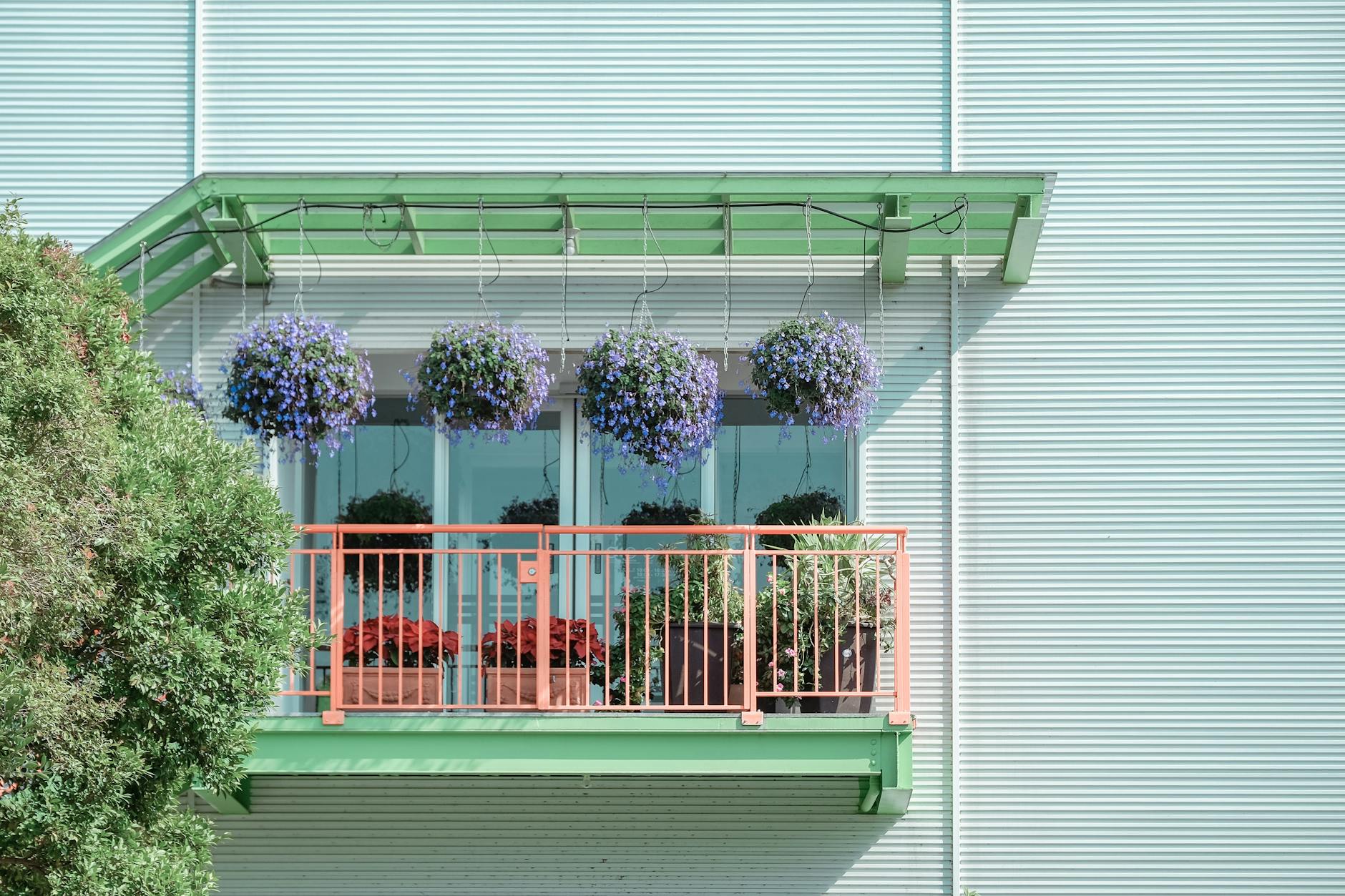
The Magic of Mixing: Companion Planting for Thriving Balcony Gardens
Welcome to the wonderful world of small urban gardening! Whether you have a sprawling backyard or just a cozy balcony, maximizing your green space is all about making every inch count. While selecting the right pots and choosing suitable plants are crucial first steps, unlocking truly vibrant, healthy, and abundant blooms requires a little more strategy. This is where the magic of companion planting urban flowers comes into play.
Companion planting isn’t just about putting plants next to each other; it’s an ancient, time-tested horticultural practice that leverages the natural interactions between plants to create a synergistic environment. When done correctly, these pairings boost growth, repel pests naturally, improve soil health, and enhance overall flower beauty in even the tightest urban settings. Forget fighting against nature—learn how to work with it!
Why Companion Planting Matters in Small Urban Spaces
Small urban gardens present unique challenges: limited space, fluctuating microclimates, and often increased exposure to pests. Companion planting directly addresses these issues by creating a balanced, resilient ecosystem right on your balcony or patio.
Boosting Yields in Limited Space
In small spaces, every plant placement is deliberate. By strategically choosing plants that benefit one another, you maximize the yield from your limited container space. Certain combinations help fill the vertical and horizontal space more efficiently than planting monocultures. For example, placing certain herbs near flowering plants can utilize the space effectively while providing mutual benefits.
Natural Pest and Disease Management
One of the biggest headaches for urban gardeners is pest control. Chemical pesticides are often undesirable in small, close-to-home environments. Companion planting offers a powerful, organic alternative. Many plants naturally deter common garden pests through their scent or chemical defenses. This means you can enjoy beautiful flowers without resorting to harsh chemicals, creating a safer space for you and your pets.
Enhancing Soil Health
Healthy soil is the foundation of healthy plants. Certain companion plants contribute to the soil ecosystem in ways that benefit the main flower. Some plants fix nitrogen, others add beneficial organic matter, and some suppress fungal diseases. By mixing plant types, you create a richer, more balanced substrate for your urban flowers to thrive in their containers.
Essential Companion Planting Combinations for Balconies
To get started with companion planting urban flowers, let’s explore some of the most effective and easy-to-implement pairings perfect for balcony gardening. Remember, success often comes from observation—watch how your plants interact over the season!
The Pest Repellents: Deterring Unwanted Guests
These combinations focus on using strong scents to naturally keep pests away from your prized blooms.
Marigolds and Flowers
Marigolds are superstars in companion planting. Their strong scent is known to repel many harmful nematodes in the soil and deter various flying insects that target vegetables and flowers. Pairing marigolds with tomatoes, peppers, or even various flowering annuals can create a protective barrier for your entire arrangement.
Basil and Flowers
Basil is an aromatic powerhouse. It’s not just delicious; its strong scent can help deter certain biting insects from landing on nearby blooms. Pairing basil with mint (which also deters pests) and various herbs creates a wonderfully fragrant and protected area perfect for balcony edibles and ornamentals.
Nasturtiums and Most Flowers
Nasturtiums are often called “trap crops” because aphids love to feed on them, drawing the pest away from more valuable plants. By placing nasturtiums among your other flowers, you can manage aphid populations effectively while still enjoying beautiful blooms.
The Growth Boosters: Encouraging Vigorous Growth
These pairings focus on plants that physically or chemically enhance the growth of their neighbors.
Beans and Flowers
Legumes, like beans, are nitrogen fixers. When planted alongside flowering plants, they enrich the soil with nitrogen, which is essential for robust, lush growth in container settings where nutrients can be limited. This synergy ensures your flowers receive the necessary building blocks to bloom beautifully.
Corn (or Corn-like Plants) and Flowers
While corn requires more space, its growth habit benefits surrounding plants by creating a dense, supportive structure. In smaller spaces, incorporating plants with similar growth habits can create a dense, self-supporting living wall effect, maximizing vertical yield.
Mastering the Art of Vertical Gardening Integration
Balconies are inherently vertical spaces. When employing companion planting urban flowers, we must also consider how plants interact vertically to maximize space utilization. Integrating different plant types into vertical structures can lead to incredible density and visual appeal.
Utilizing Vertical Space with Companion Plants
If you are looking to maximize the use of your balcony, integrating different growth strategies is key. Think about how you can stack or interweave plants effectively. For instance, pairing trailing flowering plants with climbing vines allows them to share support structures and create an interconnected canopy that shades the soil below, keeping roots cooler—an important factor in container gardening pots for small urban spaces.
Vertical Gardening Hacks for Balconies: Maximize Your Urban Yield
When planning vertical arrangements, consider the light needs of each companion. Placing sun-loving, fast-growing flowers near shade-tolerant herbs can create a layered effect that utilizes every level of your balcony. Using vertical gardening hacks for balconies can help ensure that even plants placed closely together receive optimal access to sunlight and air circulation.
Layering Your Balcony Ecosystem: A Sample Plan
To put this knowledge into practice, here is an example of how you might design a small companion planting scheme on a balcony:
Layer 1 (Sunniest Spots): Place sun-loving flowering annuals like Petunias or Geraniums. Plant Marigolds strategically around their bases to act as natural pest deterrents.
Layer 2 (Mid-level/Support): Intertwine climbing plants, perhaps some flowering beans or peas, using trellises or hanging baskets. These legumes will contribute nitrogen to the soil and provide vertical structure.
Layer 3 (Shadier Spots/Edibles): Plant aromatic herbs like Basil and Mint among the flowering plants. Their scent will naturally keep away unwanted pests while adding wonderful fragrance to your space.
Final Tips for Successful Companion Planting Urban Flowers
Remember, companion planting is a living science, not a rigid rulebook. Be patient, observe closely, and be ready to adjust your plan as the season progresses.
- Start Small: Begin with just two or three plant pairings until you understand their specific interactions in your unique microclimate.
- Observe Daily: Spend time observing where pests appear and how your plants react to different arrangements.
- Soil First: Always ensure your potting mix is high-quality and well-draining, regardless of the companion strategy you choose. Good soil supports all growth!
- Water Wisely: Companion plants will share water resources; monitor soil moisture levels carefully to prevent overwatering in dense arrangements.
By embracing companion planting urban flowers, you move beyond simple gardening and step into creating a dynamic, beautiful, and highly productive micro-garden right on your doorstep. Start experimenting today and watch your balcony transform into a vibrant haven!
Tags: companion planting, urban gardening, balcony gardening, flower pairing, small space gardening, container gardening, plant health
Featured Image by Kai-Chieh Chan on Pexels.