
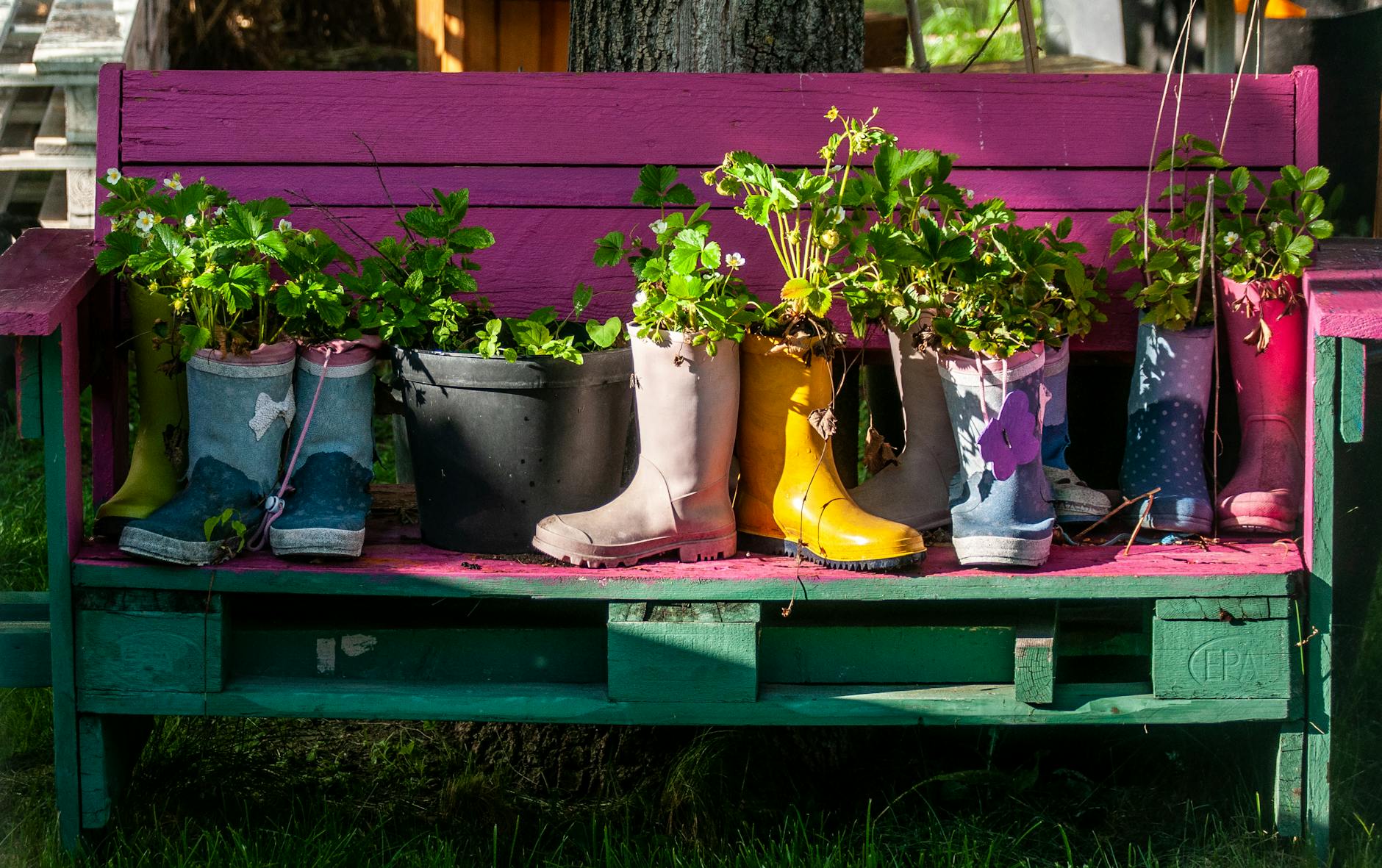
Mastering the Visual Appeal: Applying Container Color Theory to Your Urban Oasis
Welcome to the wonderful world of small urban gardening! Whether you have a balcony, a patio, a small yard, or even just a sunny windowsill, transforming that space into a vibrant, beautiful garden is incredibly rewarding. While focusing on soil, sunlight, and proper watering is crucial for plant survival, the true secret to creating a show-stopping garden lies in understanding design principles—specifically, container color theory urban gardening. Color is not just an aesthetic choice; it’s a powerful tool that influences how we perceive space, mood, and the health of our plants.
This guide will unlock the secrets of how to use the psychology and science of color to arrange your pots, ensuring your small urban garden doesn’t just grow beautiful plants, but creates a visually stunning display. Let’s dive into how strategic color placement can elevate your container gardening game!
The Psychology Behind Plant Color
Before we start talking about specific paint swatches, it helps to understand the basic psychology of color in the context of gardening. Different colors evoke different feelings and attract different types of attention. When selecting pots for your urban space, consider what mood you want to set: calm, energetic, sophisticated, or playful.
Warm Colors: Energy and Invitation
Warm colors—reds, oranges, and yellows—are vibrant, energetic, and inviting. In a small urban setting, using these hues can make your garden feel immediately cheerful and lively.
- Red: Associated with passion and energy. Red pots draw the eye quickly, making them excellent for focal points or accent plants that need extra visibility.
- Orange: Brings feelings of enthusiasm and happiness. It’s perfect for sunny spots where you want to maximize the feeling of warmth.
- Yellow: Symbolizes joy and optimism. Bright yellow containers can brighten up a dull corner instantly, adding a cheerful pop to your small space.
Cool Colors: Calm and Serenity
Cool colors—blues, greens, and purples—tend to be calming, soothing, and evoke a sense of peace. These are wonderful for creating tranquil retreats in busy city environments.
- Blue: Associated with tranquility and serenity. Blue containers create a cool, relaxing atmosphere, perfect for creating a meditative balcony garden.
- Green: Directly connects to nature, growth, and health. Using shades of green for pots harmonizes beautifully with the foliage of your plants, creating an immersive, natural environment.
- Purple: Often associated with luxury and mystery. Deep purples add a sophisticated, rich depth to any arrangement.
Neutral Colors: Versatility and Balance
Neutrals—whites, creams, grays, and blacks—serve as the perfect backdrop. They allow your chosen plants and the colors of your flowers to truly shine without competing for attention. Using neutrals provides visual rest, allowing the overall composition to feel balanced and intentional.
Applying Color Theory to Container Arrangement
Understanding how these color families interact is the core of mastering container color theory urban gardening. We can use established principles like complementary, analogous, and monochromatic schemes to design stunning arrangements in a small footprint.
Creating Harmony with Analogous Colors
Analogous colors are hues that sit next to each other on the color wheel (e.g., blue, blue-green, and green). Using analogous colors creates a smooth, harmonious, and restful visual flow. This is an excellent strategy for small urban gardens because it avoids jarring contrasts and creates an immediate sense of unity. Imagine grouping pots in soft blues, soft greens, and muted yellows—it feels cohesive and sophisticated.
The Impact of Complementary Colors for High Contrast
Complementary colors are directly opposite each other on the color wheel (e.g., red and green, blue and orange). When placed next to each other, they create the strongest visual contrast and the most energetic impact. In your urban garden, use complementary pairs sparingly but effectively. For instance, pairing vibrant terracotta (red-orange) pots with deep emerald green foliage creates an exciting, high-impact focal point. Remember that this contrast works best when one color is used as a dominant accent and the other as a supporting tone.
Monochromatic Magic for Sophistication
A monochromatic scheme involves using various shades, tints, and tones of a single hue. For example, using only shades of blue—light sky blue, medium cerulean, and deep navy—creates an incredibly sophisticated and cohesive look. This approach is excellent for creating elegant, minimalist urban gardens where subtlety speaks volumes. It keeps the entire display feeling unified and intentionally designed.
Choosing Containers Based on Plant Needs and Light
The color you choose must work in tandem with what you are growing. Before you select a vibrant blue pot, ensure that the light conditions and water needs of your specific plants (like herbs, succulents, or flowering annuals) are met.
Light Exposure and Color Perception
The light hitting your containers dramatically affects how colors appear. Pots placed in bright, direct sunlight will make colors appear more saturated and intense. Conversely, pots in shadier spots might benefit from softer, muted tones to avoid looking washed out. When planning your layout, consider where the sun moves throughout the day—this is vital for optimizing your container color theory urban gardening.
Material Matters: Texture Meets Tone
Beyond just color, the material of your containers plays a huge role in the overall aesthetic. Terracotta offers an earthy, rustic feel; glazed ceramic provides a smooth, modern touch; and galvanized metal adds an industrial edge perfect for urban settings. The texture combined with the chosen color defines the mood of your space.
Designing Your Urban Garden Layout
How you arrange your pots on a balcony or patio is just as important as the colors themselves. A thoughtful layout maximizes visual impact in a small area.
Creating Focal Points and Depth
Use the principles of layering to add depth. Place taller, bolder colored pots toward the back or center to act as focal points, and use smaller, softer pots in the foreground to create visual layers. This technique draws the eye deeper into your garden arrangement. For instance, a bright red pot placed centrally surrounded by softer blue and green containers will immediately draw attention while still feeling balanced.
Grouping for Cohesion
Never treat every pot as an isolated object. Grouping containers of similar colors or hues together creates instant visual cohesion. Whether you choose to group warm tones together or cool tones together, this grouping reinforces the theme you are trying to establish in your urban space. This collective approach is key to advanced container color theory urban gardening.
Practical Tips for Urban Gardeners
To help you transition from theory to reality, here are a few practical takeaways for managing your small container garden:
- Start Small: Don’t try to tackle an entire balcony at once. Begin with a small grouping of three or five pots to experiment with color combinations before committing to a larger design.
- Consider Plant Needs First: Always cross-reference your chosen colors with the specific light and water requirements of the plants you plan to place inside. For example, avoid placing shade-loving ferns in containers that are too brightly lit unless they are specifically acclimated.
- Seasonal Shifts: Keep an eye on how light changes seasonally. A vibrant yellow might look muted in deep winter shadow; plan your color scheme with the year-round light patterns of your specific urban microclimate.
- Embrace Negative Space: In a small space, what you don’t put down is just as important as what you do. Allow some space between pots to let the colors breathe and prevent the arrangement from feeling cluttered.
Final Thoughts on Container Color Theory Urban Gardening
Mastering container color theory urban gardening transforms a collection of pots into an intentional, beautiful living piece. By understanding how warm and cool colors interact, how complementary pairings create energy, and how monochromatic schemes build sophistication, you gain the power to design spaces that reflect your personal style while nurturing your plants. Start experimenting today—paint some pots, arrange your favorites, and watch your small urban garden bloom with stunning visual harmony! If you are looking for inspiration on selecting the perfect plants for your balcony setting, exploring resources like Balcony Bloom Secrets: Choosing Flowers for Urban Microclimates can help you connect your color choices directly to successful plant growth. Remember that healthy soil and proper care are the foundation; color is the beautiful layer you add on top! For those focused on maximizing what they grow in these limited spaces, understanding soil health is equally important: check out Maximize Yield in Shallow Pots: Soil Secrets for Container Gardening for essential growing tips.
Tags: urban gardening, container gardening, flower arrangement, small space design, gardening tips, color theory
Featured Image by wal_ 172619 on Pexels.