
The Deep Dive into Composting Science for Vegetable Growers
Growing healthy, abundant vegetables is a rewarding endeavor, but the secret ingredient often lies beneath the surface: the soil. To cultivate truly thriving plants, you need more than just good seeds and water; you need living, rich soil teeming with microbial life. This is where composting science for vegetable growers moves from being a hobby to a fundamental necessity. Understanding the underlying biology of composting allows you to transform kitchen scraps and yard waste into the most potent form of plant food available.
This comprehensive guide will walk you through the fascinating world of composting, explaining the scientific principles that govern how organic matter breaks down, and how you can harness this process to maximize your vegetable yields and build unparalleled soil health.
Understanding the Biology Behind Decomposition
Composting is not simply piling up “garbage”; it is a carefully managed biological process. At its core, composting is the controlled decomposition of organic materials by microorganisms—bacteria, fungi, actinomycetes, and protozoa. These microscopic allies are the engine that transforms complex organic matter into stable, nutrient-rich soil amendments.
The Roles of Microorganisms in Soil Fertility
The health of your garden directly correlates with the activity of these microbes. When you add compost, you are introducing a massive colony of beneficial organisms that perform essential functions:
- Nutrient Cycling: Microbes break down complex organic compounds (like cellulose and lignin) into simpler, plant-available inorganic nutrients (nitrates, phosphates, potassium). This process makes essential elements accessible to your vegetable roots.
- Humus Formation: The most valuable end product is humus—a stable, dark, organic material known as soil organic matter. Humus acts like a sponge, dramatically increasing the soil’s capacity to hold water and nutrients, improving aeration, and enhancing nutrient retention.
- Pathogen Control: A healthy microbial ecosystem naturally suppresses the growth of harmful pathogens, creating a balanced environment that is inherently more resistant to disease.
The Stages of Composting: A Scientific Timeline
A successful compost pile follows predictable stages dictated by microbial activity. Ignoring these phases leads to poor results.
Stage 1: Mesophilic Phase (The Warm-up)
This initial phase occurs when the temperature begins to rise, typically in the first few days or weeks. Bacteria and fungi begin actively consuming easily digestible sugars and starches. The pile needs moisture to facilitate this initial enzymatic breakdown. If the pile is too dry, the process stalls; if it’s too wet, it becomes anaerobic (smelly).
Stage 2: Thermophilic Phase (The Cooking)
As microbial populations grow and consume the readily available food sources, the internal temperature of the compost pile skyrockets, often reaching 131°F to 160°F (55°C to 71°C). This high heat is crucial because it effectively kills off most weed seeds, pathogens, and disease-causing organisms. This phase is vital for sanitizing the material before the final stage of breakdown.
Stage 3: Curing/Maturation Phase (The Stabilization)
Once the easily digestible materials are consumed, the decomposition slows down, and the process enters the curing phase. This is where slower-acting microorganisms work to break down tougher, more complex materials into stable humus. The compost continues to mature for several weeks or months until it reaches a stable, dark, crumbly texture with an earthy smell—indicating that the material is fully decomposed and ready for use in the garden.
The Essential Ingredients: Carbon-to-Nitrogen Ratio (C:N)
One of the most critical aspects of composting science for vegetable growers is balancing the inputs. Microorganisms require a specific ratio of carbon (the energy source) to nitrogen (the protein needed for microbial growth).
Balancing Browns and Greens
To achieve optimal decomposition, you must manage your materials by balancing “Browns” (Carbon-rich) and “Greens” (Nitrogen-rich):
- Brown Materials (Carbon Source): These provide the bulk structure and slow-release energy. Examples include dry leaves, shredded cardboard, straw, wood chips, and dry twigs. They ensure good aeration and prevent the pile from becoming slimy.
- Green Materials (Nitrogen Source): These provide the protein necessary for microbial growth. Examples include kitchen scraps (fruit/vegetable peels), grass clippings, coffee grounds, and manure.
Achieving the Ideal Ratio
The ideal C:N ratio for effective composting is generally between 25:1 and 30:1. If you add too many “Greens” without enough “Browns,” the pile will become overly wet and anaerobic, leading to foul odors and slow decomposition. Conversely, too many “Browns” will result in a pile that decomposes too slowly.
Advanced Techniques for Optimal Composting Science
Moving beyond simple mixing, applying specific techniques enhances the efficiency of your composting process significantly.
Aeration: The Key to Microbial Life
Decomposition is an aerobic process, meaning it requires oxygen. Lack of oxygen forces anaerobic bacteria to take over, producing foul-smelling byproducts instead of stable humus.
- Turning the Pile: Regularly turning or mixing the compost pile introduces fresh oxygen throughout the material, stimulating the heat and microbial activity necessary for rapid breakdown. This is one of the most important physical actions in composting science for vegetable growers.
- Pile Structure: Ensure your pile has a good, loose structure. A well-aerated pile should feel fluffy rather than compacted.
Moisture Management: Maintaining the Perfect Environment
The compost needs to be consistently moist, like a wrung-out sponge—damp, but not dripping wet.
- Too Dry: Decomposition slows down dramatically.
- Too Wet: Leads to compaction and anaerobic conditions.
- The Goal: Aim for consistent moisture throughout the composting cycle. Adjust by adding water during turning if the pile starts to dry out, or by adding more “Browns” if it becomes too saturated.
Managing Contaminants: Keeping It Clean
To ensure your compost is safe and beneficial for vegetables, contamination must be strictly avoided.
- Avoid Meat, Dairy, and Oils: These materials attract pests and create anaerobic pockets that promote the growth of harmful pathogens. Stick to plant-based matter.
- Source Your Materials Wisely: Only use untreated yard waste and compostable kitchen scraps.
Composting vs. Vermicomposting: Choosing Your Method
While traditional hot composting is excellent for large volumes, understanding alternative methods can suit different gardening scales.
Hot Composting (Aerobic)
This method relies on microbial heat to kill pathogens and rapidly break down large amounts of material. It is ideal for gardeners with yard waste and a desire to create a large volume of finished soil amendment. This process embodies the core principles of composting science for vegetable growers.
Vermicomposting (Worm Composting)
Vermicomposting uses specialized worms (like Red Wigglers) to consume organic waste and excrete nutrient-rich castings (worm poop). This method is excellent for smaller spaces, indoor gardening, or apartment living. The worms perform the breakdown process, creating a highly concentrated, nutrient-dense fertilizer perfect for container vegetables.
Harvesting Your Compost: When is it Ready?
Knowing when to harvest your compost ensures you maximize its benefits for your vegetable patch. Visual and olfactory cues are your best guides.
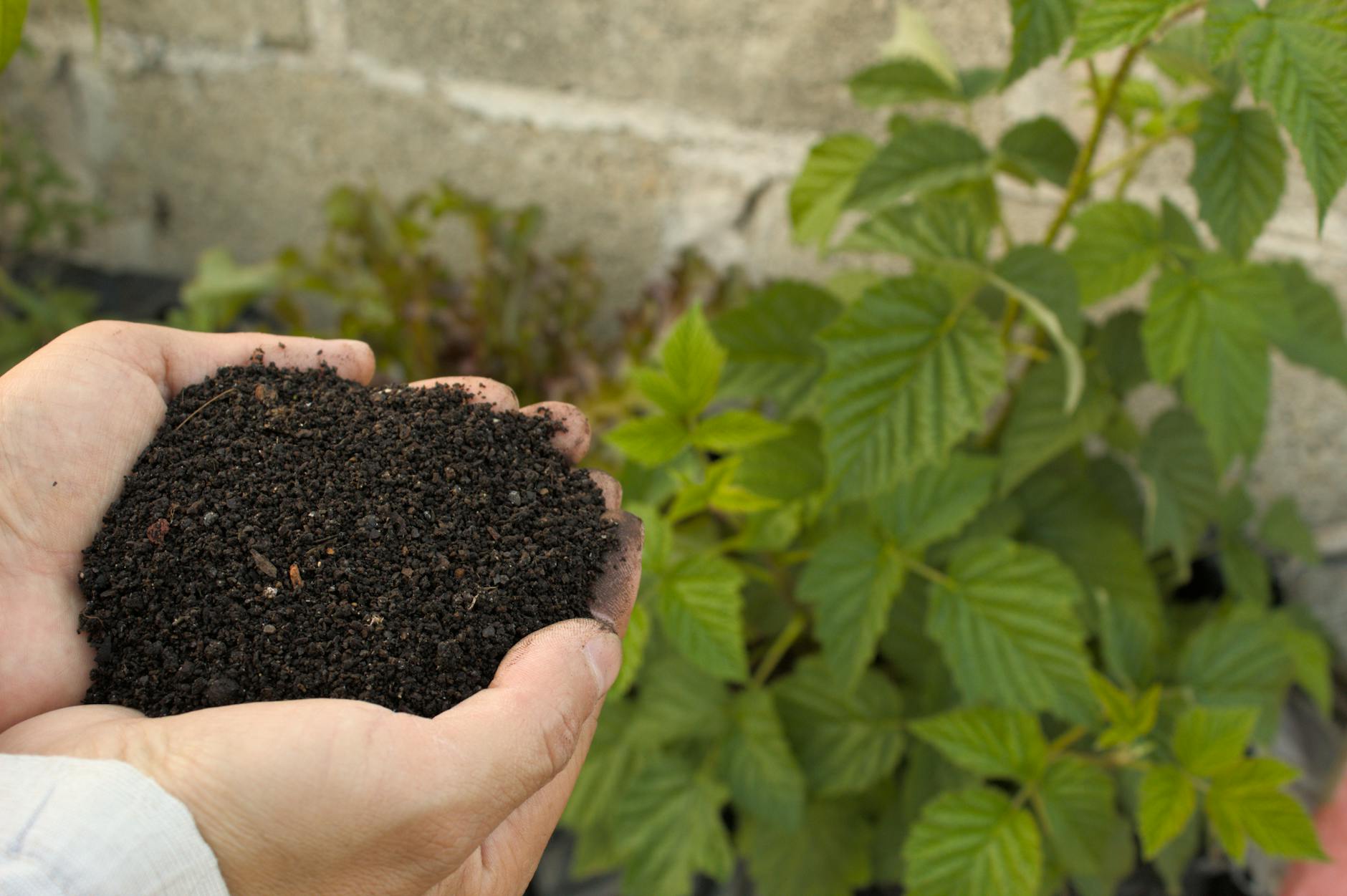
- Visual Cues: The material should be dark brown to black, crumbly, and easily broken apart. Large, recognizable pieces of original material should be gone.
- Olfactory Cues: The smell should be earthy, rich, and sweet—the scent of healthy humus. It should not smell sour, rotten, or ammonia-like.
- Texture Test: A good compost should feel light and airy, not dense and heavy.
Once these signs are present, your compost has undergone the full biological transformation and is ready to be incorporated into your garden beds, enriching the soil with the life-giving nutrients derived from sound composting science for vegetable growers.
Conclusion: Cultivating a Cycle of Health
Mastering composting science for vegetable growers is about respecting the natural processes of decomposition. By understanding the roles of microorganisms, carefully balancing carbon and nitrogen ratios, ensuring proper aeration, and managing moisture, you move beyond simply throwing scraps into a pile. You engage in a scientific cycle that transforms waste into wealth—creating living soil that naturally feeds your vegetables, enhances water retention, and builds resilience against disease. Start small, observe the biology at work, and watch your garden flourish! If you are looking to manage garden pests naturally alongside this process, exploring resources on Organic Pest Control: Natural Solutions for Your Garden can offer complementary insights into maintaining a truly balanced ecosystem.
Tags: composting science, soil health, vegetable gardening, organic farming, soil microbiology, compost, gardening tips
Featured Image by Juan J. Morales-Trejo on Pexels.