
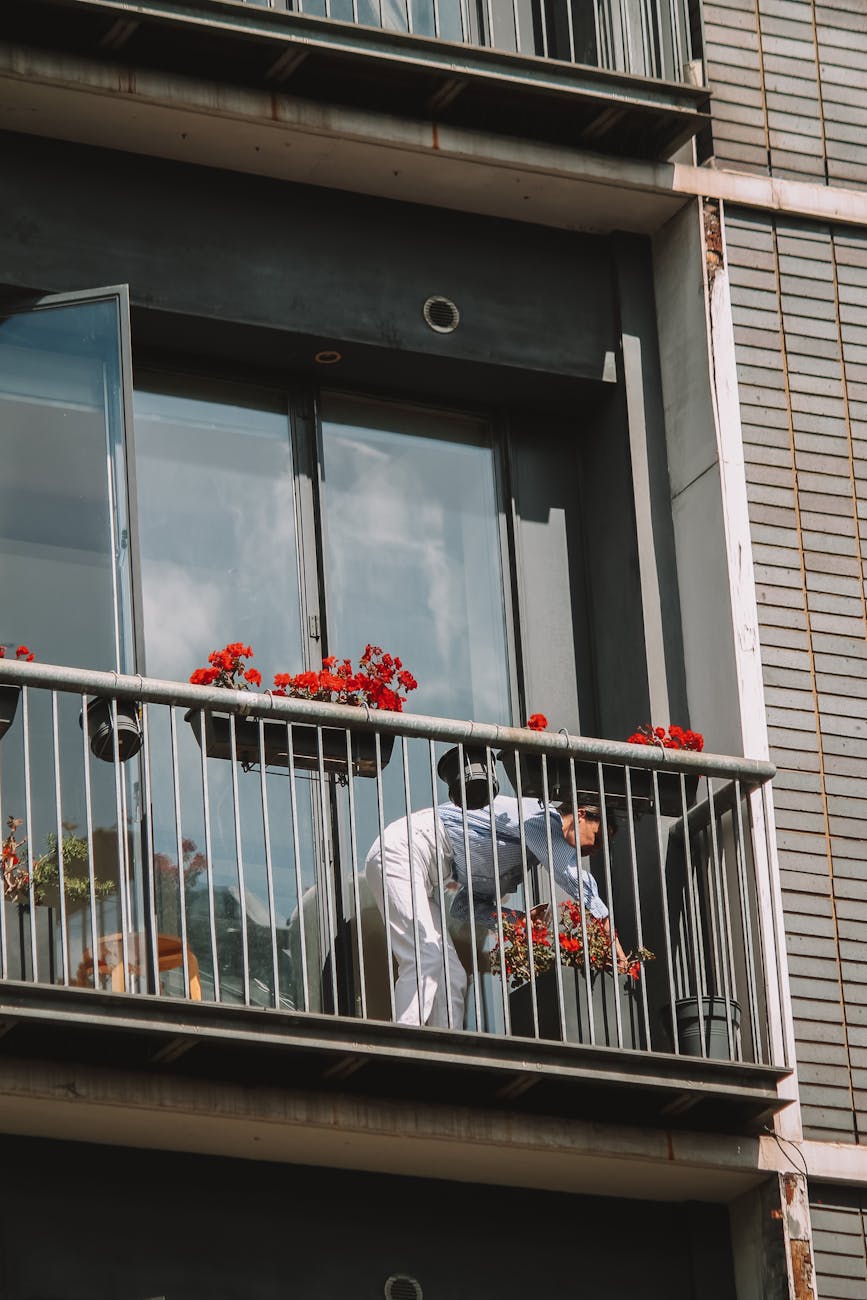
Mastering Your Balcony Microclimate: The Key to Successful Urban Flower Selection
Welcome to the wonderful world of urban gardening! Whether you have a sprawling backyard or just a cozy balcony, bringing nature into your small urban space is incredibly rewarding. But when you’re working with limited space, variable sunlight, and unpredictable winds, choosing the right plants can feel like a puzzle. The secret to thriving balcony gardens isn’t just about picking pretty flowers; it’s about understanding and adapting to your specific urban flower selection needs—your unique microclimate.
This guide will walk you through how to assess your balcony environment and make informed decisions so that your container garden flourishes, season after season. Forget guesswork; let’s dive into the specifics of selecting plants that love the city life!
Understanding Your Balcony’s Microclimate
A balcony is not just an extension of your living room; it’s a unique ecosystem with its own set of rules. Before you buy a single seed or plant, you must become an expert in what your space offers. Understanding these factors allows you to select plants that won’t constantly stress, wilt, or die.
Assessing Sunlight Exposure: The Most Crucial Factor
Sunlight is the energy source for your plants, and it dictates which flowers will thrive. How many hours of direct sun does your balcony receive? Pay close attention to the time of day the sun hits your space—morning sun versus harsh afternoon sun makes a huge difference!
Full Sun Lovers (6+ Hours Direct Sunlight)
If your balcony receives six or more hours of direct, unfiltered sunlight daily, you are in luck! These spots are perfect for sun-loving blooms. Think about plants like most varieties of Geraniums, Petunias, Marigolds, and many types of Basil. These plants need ample energy to produce vibrant blooms.
Partial Sun/Shade Tolerators (3–6 Hours Sunlight)
Many balconies fall into this category, receiving morning sun followed by dappled shade or afternoon shade. This is where you find a wide variety of beautiful and resilient flowering options. Excellent choices include Impatiens, Begonias, Ferns, and certain types of Mint. These plants enjoy bright, indirect light and will still produce lovely color.
Full Shade Seekers (Less than 3 Hours Direct Sunlight)
If your balcony is heavily shaded by tall buildings or overhangs, it’s okay! Not every flower needs blazing sun. Shade-tolerant plants can still bring beauty to your space. Consider Hostas (for foliage), some types of Ferns, and shade-loving annuals like Impatiens. Remember that while they might not produce the most intense color, they are perfectly happy and thriving in lower light conditions.
Analyzing Wind Exposure and Temperature Fluctuation
Urban environments often come with unpredictable weather patterns. Wind can dry out delicate foliage quickly, and temperature swings—hot summers and cool, breezy evenings—put extra stress on your plants.
- Wind Exposure: Balconies exposed to strong winds will experience faster water loss (transpiration). When selecting flowers for these spots, choose those with slightly more robust stems or those that can handle a bit of movement without snapping.
- Temperature: Be aware of extreme temperatures. In hot climates, some tender annuals might wilt quickly. In cooler climates, you may need to consider frost-hardy varieties if you plan on extending your growing season.
Selecting Flowers Based on Space Constraints
Balconies are inherently small. Maximizing visual impact while minimizing root space is key to successful urban flower selection. You need plants that offer great blooms without demanding excessive horizontal or vertical space.
The Art of Vertical Gardening Wonders
When floor space is limited, the solution is to think up! Utilizing vertical space allows you to grow upwards rather than sprawling outwards. This is where vertical gardening techniques shine for balcony gardeners. By choosing trailing plants or plants with strong climbing habits, you can create lush displays without taking up valuable floor real estate. Explore resources like Vertical Gardening Wonders: Flower Displays on Tiny Balconies to see creative ways to maximize your vertical potential.
Choosing the Right Containers
The pot you choose is just as important as the plant itself, especially in an urban setting where soil quality and drainage are critical. Using the right containers ensures proper aeration for the roots, which is vital when growing in confined spaces. When selecting your pots, focus on materials that allow for good drainage and root health. Check out guides on Container Gardening Pots for Small Urban Spaces to ensure your containers are perfectly sized and functional for your chosen flowers.
Flower Categories for Urban Balconies
Based on the light conditions and space constraints we’ve discussed, here are some highly recommended flower categories perfect for balcony gardening:
Annuals: For Quick, Vibrant Impact
Annuals are fantastic for beginners because they offer a full season of color with minimal fuss. They thrive in containers and can be easily replanted each spring.
- Petunias: Known for their abundance of color and ability to handle partial shade well.
- Geraniums (Pelargoniums): Beloved by many gardeners, they tolerate a wide range of light and are excellent for adding pops of color.
- Marigolds: Hardy, vibrant, and great for adding an earthy tone to your mix.
Perennials: For Long-Term, Low-Maintenance Beauty
If you are looking for plants that will come back year after year, perennials offer incredible value. While some require more established soil, many thrive in containers if given the right conditions.
- Hostas: Excellent for adding large, lush green foliage, perfect for providing texture and shade on a balcony.
- Impatiens: Perfect for shadier spots, offering continuous blooms throughout the season.
Herbs and Edibles: Functional Beauty
Don’t forget the bonus of growing food! Integrating culinary herbs into your urban flower selection is a win-win. Many herbs thrive in containers and can be placed where they get adequate sunlight, such as Rosemary, Thyme, Mint (keep mint contained!), and various Basil varieties.
Maintenance Tips for Urban Growers
Selecting the right plants is only the first step; successful gardening requires diligent care, especially in container settings exposed to urban stresses.
Watering Wisdom
Container plants dry out much faster than in-ground gardens because the soil volume is limited and evaporation rates are higher. Check the soil moisture daily by sticking your finger about an inch deep. Water thoroughly until you see water draining from the bottom of the pot. Overwatering is a common killer of balcony plants, leading to root rot.
Feeding Your Flowers
Since container soil nutrients deplete quickly, your flowers will need supplemental feeding. Use a balanced liquid fertilizer every two to four weeks, especially for heavy bloomers like Petunias and Geraniums. Look for fertilizers formulated for container gardening to ensure you are providing the right balance of nutrients.
Pest Management in Small Spaces
Small spaces can sometimes attract pests, but keeping your garden healthy naturally deters many unwelcome visitors. Practice regular inspection of the leaves and stems. A strong, well-fed plant is naturally more resistant to common balcony pests.
Final Thoughts on Urban Flower Selection
Choosing flowers for your balcony is a personal journey of balancing aesthetic desire with environmental reality. By taking the time to observe your balcony’s sunlight patterns, wind exposure, and shade levels—and then applying that knowledge when making your urban flower selection—you set yourself up for success. Embrace the unique environment you have, choose plants that thrive there, and enjoy the incredible beauty of your small urban oasis! Happy gardening!
Tags: urban gardening, balcony gardening, flower selection, container gardening, microclimates, city gardening, plant choice
Featured Image by Sofía Marquet on Pexels.