
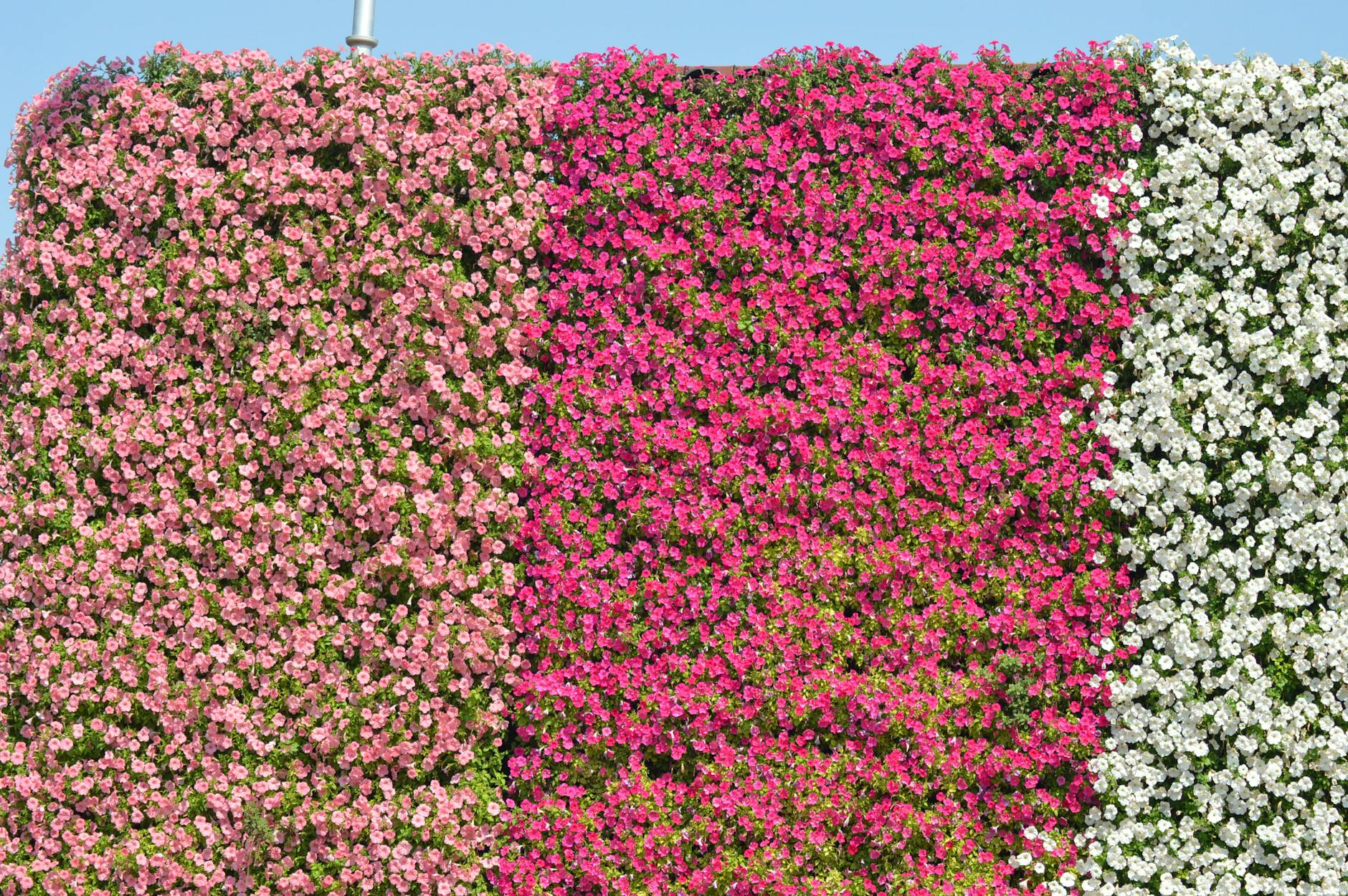
The Wall I Almost Ignored (And What Grew There Instead)
When I moved into my current apartment, there was a 3-meter stretch of blank south-facing wall on my balcony that I treated as background—somewhere to prop a ladder against or hang a coat. It wasn’t until a neighbor mentioned they’d seen climbing roses trained up an almost identical wall that I started reconsidering it.
That wall now hosts a clematis that blooms twice a year, a passion flower that’s become a neighborhood talking point, a mounted pocket planter system with cascading nasturtiums and herbs, and a trellis that supports sweet peas through spring. The transformation required no structural changes to the building—just proper planning, the right plants, and appropriate support structures.
Here’s exactly how to do it.
Why Vertical Space is Your Most Underused Garden Real Estate
Horizontal space in urban settings is limited and expensive. Vertical space is usually free and abundant. A wall that would otherwise host nothing can become the most productive and visually dramatic part of your garden.
The practical advantages go beyond space efficiency:
- Vertical surfaces warm up faster in spring and stay warmer through the season
- South and west-facing walls act as solar collectors, extending growing seasons
- Height creates visual drama that ground-level planting can’t achieve
- Climbing and trailing plants are often more productive per square meter than container-grown alternatives
- Vertical gardens improve insulation for adjacent walls, reducing heat loss
Choosing the Right Support Structure
Before choosing plants, choose your support system. Different structures suit different plants and different wall types.
Trellises: The Versatile Foundation
A trellis mounted 5-10cm away from the wall (critically important—air gap prevents damp damage to both wall and plant) provides the most versatile support for climbing and trained plants. Materials matter:
- Powder-coated steel: Durable, weather-resistant, clean appearance. The most long-lasting option for permanent installations.
- Hardwood timber: Aesthetically warm, especially in garden settings. Requires occasional treatment to prevent rot. Avoid softwood for permanent structures.
- Galvanized steel wire: Almost invisible, elegant for formal and informal gardens alike. Requires wall anchors and tensioning—more installation work but a beautiful result.
- Bamboo: Cost-effective and adequate for lighter plants (annual sweet peas, lightweight morning glory). Not suitable for heavy climbers.
Fix trellises with appropriate wall anchors—this is not a place to cut corners. A mature climbing rose in full leaf can catch significant wind, exerting surprising force on its fixings. Use stainless steel screws and wall plugs sized for your wall material.
Wire Systems: Elegant and Almost Invisible
Horizontal wires tensioned between wall-mounted eyes (galvanized or stainless) create a nearly invisible support for climbers. This approach suits formal garden aesthetics and period buildings where visible trellis would look out of place.
Space horizontal wires 30-45cm apart. Use straining bolts or vine eyes to maintain tension as the wire stretches slightly under plant weight. Train young climbing shoots to the lowest wire first, working upward as the plant grows.
Modular Wall Pocket Systems
Felt or fabric pocket planters mounted directly to walls provide instant planting space without any growing medium on the ground. These work particularly well for:
- Herbs and edibles in accessible wall positions
- Cascade plantings (trailing lobelia, verbena, calibrachoa)
- Quick seasonal color changes without permanent commitment
- Renters who need non-permanent solutions
The limitation is water management. Felt pocket systems dry out quickly and require either daily watering or an integrated drip irrigation system. Larger pocket volumes (2L+) are much more forgiving than small ones.
Self-Clinging vs. Twining Climbers: Understanding Plant Mechanics
Not all climbers work the same way. Understanding how a plant attaches itself determines what support it needs:
- Twining climbers (morning glory, sweet peas, wisteria) wrap stems or tendrils around supports. They need something to wrap around—mesh, wire, or narrow bamboo stakes.
- Self-clinging climbers (climbing hydrangea, ivy, Virginia creeper) attach directly to flat surfaces using aerial roots or adhesive pads. They need no support structure on smooth walls, but can cause damage to mortar in older buildings.
- Scrambling climbers (climbing roses, clematis) hook onto supports with thorns or hooks. They need ties and training to guide them in the desired direction.
The Best Flowering Climbers and Trailers for Urban Walls
For Full Sun Walls (South and West Facing)
Climbing Roses: The most spectacular option for a permanent, full-sun wall. Modern disease-resistant varieties (Rosa ‘Zephirine Drouhin’, ‘New Dawn’, ‘Climbing Iceberg’) offer months of bloom with minimal maintenance. Climbing roses need a robust trellis or wire system and annual pruning to maintain shape and productivity. They are a commitment—but one that pays dividends for decades.
Clematis: The most versatile climbing flower. Different groups bloom at different times—Group 2 varieties (like ‘Nelly Moser’, ‘The President’) bloom twice, in late spring and again in late summer. Group 3 varieties (‘Jackmanii’, Viticella types) bloom prolifically from midsummer until frost. Clematis prefer their roots in shade and their heads in sun—plant near the base of the wall and allow them to grow upward.
Passion Flower (Passiflora caerulea): Extraordinarily exotic-looking flowers with extraordinary hardiness. Survives most UK and Northern European winters outdoors once established. Grows vigorously in warm positions and will cover a significant wall area within 2-3 seasons. The deeply divided leaves provide interesting texture even when not in flower.
Morning Glory (Ipomoea tricolor): Annual climber producing vivid blue, pink, or white trumpet flowers every day through summer. Fast-growing from seed, reaching 2-3 meters in a single season. Excellent for renters or anyone who wants dramatic color without permanent commitment.
Sweet Peas (Lathyrus odoratus): Intensely fragrant, spectacularly beautiful, and genuinely easy to grow from seed. Best on east or partially shaded walls—they dislike intense midday sun. Treat as annuals, sowing fresh each year for best results. Cut flowers frequently to extend blooming.
For Shaded Walls (North and East Facing)
Climbing Hydrangea (Hydrangea anomala petiolaris): Self-clinging on any rough surface, tolerates deep shade, and produces stunning flat-headed white flower clusters in summer. Slow to establish in the first 2-3 years but then vigorous and self-supporting. One of very few climbers that genuinely thrives on north-facing walls.
Shade-tolerant Clematis: Several clematis varieties manage with 3-4 hours of sun. ‘Niobe’ (deep red), ‘Comtesse de Bouchaud’ (pink), and most Viticella types tolerate partial shade.
Virginia Creeper (Parthenocissus quinquefolia): Primarily a foliage plant, but spectacular foliage at that—vivid scarlet autumn color that transforms any wall. Self-clinging, fast-growing, and tolerates significant shade. Produces small berries that attract birds in autumn.
Annual Climbers for Quick Impact
Annual climbers are ideal for renters, seasonal displays, or filling gaps while permanent plants establish:
- Morning Glory (Ipomoea): Blue, pink, red, white—profuse all summer
- Nasturtium ‘Climbing Alaska’: Edible flowers, quick from seed
- Canary Creeper (Tropaeolum peregrinum): Delicate yellow flowers, unusual texture
- Black-eyed Susan Vine (Thunbergia alata): Cheerful orange-and-black flowers through summer
Pocket and Mounted Planter Ideas
For walls that don’t suit climbing plants (smooth render, sensitive surfaces), mounted planters bring flowers to vertical space:
Window Boxes on Balcony Rails and Walls
Rail-mounted window boxes effectively extend your growing surface vertically and outward. Use trailing varieties that cascade downward for maximum impact: trailing petunias, lobelia, bacopa, verbena, and calibrachoa create a living curtain of color.
The key to successful rail boxes is commitment to watering. Exposure to wind and sun means they dry out faster than ground-level containers. Self-watering insert systems built into window boxes make this management much more practical.
Mounted Pot Systems
Individual pot holders mounted directly to walls allow flexibility in composition and plant rotation. Stagger heights for visual interest. Use the same color palette across multiple pots for a cohesive, designed appearance rather than a random collection of containers.
Planning Your Vertical Display
Layer Your Planting
The most successful vertical gardens work in layers. Ground-level containers or planted beds transition into wall-mounted pocket planters, which transition into climbing plants that reach the upper wall. This creates a complete covering from base to top and provides interest at every viewing angle.
Consider Seasonal Interest
Plan for year-round impact by selecting plants with different flowering periods:
- Early spring: Clematis Montana, spring bulbs in wall pockets
- Late spring: Sweet peas, roses beginning, climbing hydrangea
- Summer peak: Roses, passion flower, morning glory, calibrachoa in wall pockets
- Late summer/autumn: Late clematis, Virginia creeper foliage color
- Winter structure: Rose canes, evergreen wall-mounted foliage plants
Maintenance: Keeping Your Vertical Garden Thriving
Watering
Wall-mounted plants and pockets dry out faster than ground-level containers due to air exposure on multiple sides. Establish a regular watering routine or install a drip irrigation system with emitters positioned at each planting pocket.
Feeding
Flowering climbers benefit from monthly high-potassium feeding through the growing season. Wall pockets with limited soil volume need more frequent liquid feeding than large containers—once or twice weekly with diluted tomato fertilizer once plants are established.
Annual Pruning of Climbers
Most climbing roses require annual winter pruning to maintain vigour and productivity. Clematis pruning depends on group (check your specific variety). Morning glory and sweet peas die back annually and need replacing from seed each spring.
Tying and Training
Regularly check and retie climbing stems. Stems left to blow in wind without attachment will break rather than attach. Tie with soft jute or horticultural fleece ties, never wire or hard string that can cut into stems as they thicken.
The Transformative Power of Vertical Gardening
A blank wall is a missed opportunity. Every wall in your outdoor space—whether it’s 2 square meters or 20—has potential to become a vertical garden that attracts pollinators, absorbs sound, improves the microclimate, and delivers visual impact that flat container gardening simply can’t match.
Start with one wall, one support structure, and two or three plants. The transformation will inspire you to tackle the next one.