
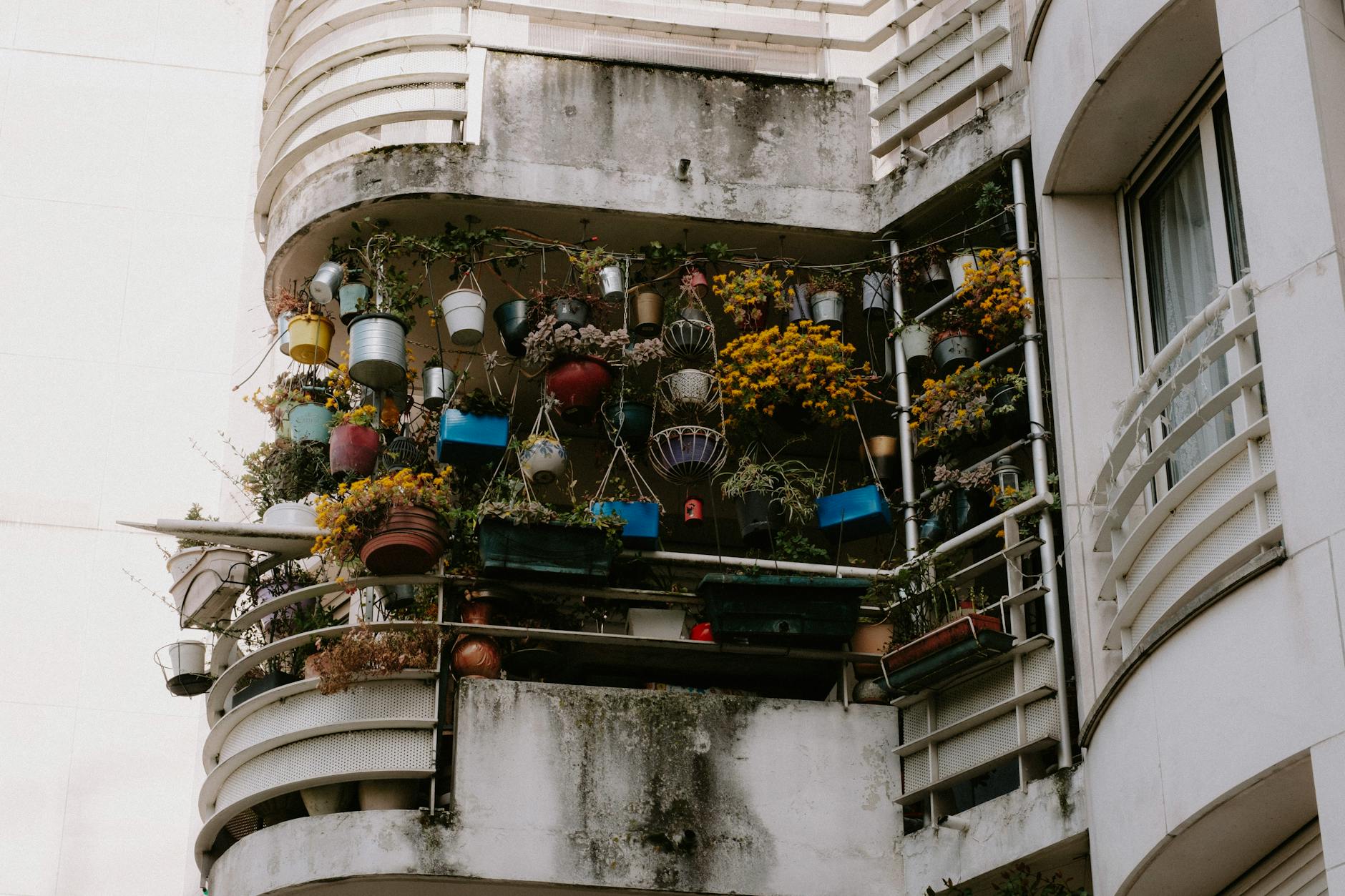
Reclaiming Your Outdoor Space: Why Vertical Gardening is Essential for Urban Dwellers
Balconies are urban sanctuaries. They offer pockets of fresh air, a view, and the promise of personal cultivation. Yet, the reality for many city dwellers is that square footage is a precious commodity. Trying to fit sprawling vegetable patches onto limited balcony space often results in overcrowding, wasted potential, and frustration. This is where the concept of vertical gardening systems balcony solutions steps in. It transforms an overlooked vertical plane into a productive ecosystem.
This approach isn’t just about aesthetics; it’s a fundamental shift in how we manage resources in compact environments. We are not simply stacking pots; we are engineering space utilization. We are maximizing exposure to sunlight and optimizing root access within tight spatial constraints. Understanding the mechanics behind these systems reveals why they outperform traditional, horizontal gardening methods on a balcony scale.
The Physics of Space: How Vertical Systems Work
The primary constraint in small urban gardening is two-dimensional area. Traditional container gardening uses floor space inefficiently. Vertical gardening directly addresses this limitation by shifting cultivation upwards. This vertical orientation alters the light and air dynamics experienced by plants, which has profound biological implications.
Consider the airflow. Plants need adequate circulation to prevent fungal diseases and ensure efficient nutrient uptake. When containers are densely packed on a flat surface, stagnant air pockets form. Vertical structures create pathways. This improved air exchange allows for more vigorous transpiration and healthier root systems. The proximity of neighboring plants also creates a microclimate that can be beneficial, provided the system is designed thoughtfully.
Exposure to light becomes another critical factor. Balconies experience fluctuating sun exposure throughout the day, depending on the building orientation and surrounding structures. A vertical setup allows you to position plants precisely where they will receive optimal exposure. You can layer plants based on their light requirements—sun-loving herbs near the railing, shade-tolerant greens further inward. This careful placement directly impacts yield potential. If you are tracking sun, shade, and wind for better gardening, understanding these microclimates is the first step toward success.
Choosing Your Vertical Strategy: Hanging vs. Wall-Mounted
The term vertical gardening systems balcony encompasses a wide array of physical solutions. The optimal choice depends entirely on your specific balcony structure, the weight capacity, and the desired aesthetic outcome. We need to analyze the mechanism each system employs.
Hanging systems often utilize rope, chains, or specialized hanging grids. These are excellent for lightweight setups, such as trailing herbs or small succulents. They offer flexibility; you can easily adjust the height and spacing as your plants mature or as seasonal needs change. The advantage here is accessibility—you can reach every plant easily for watering and harvesting without needing a ladder. However, weight limitations must always be rigorously assessed against the material holding the system and the balcony structure itself.
Wall-mounted systems, conversely, rely on securing frames directly to the wall surface. These systems are generally more robust for heavier setups or larger container volumes. They distribute weight across a solid anchor point, offering superior stability. This method transforms an otherwise blank wall into a living facade. The installation process requires careful consideration of mounting points and material integrity. A strong connection is non-negotiable when dealing with living plants and the structural integrity of your home.
Material Matters: Selecting the Right Infrastructure
The materials used in building these systems dictate longevity, safety, and plant health. You are essentially creating a temporary or semi-permanent structure for your garden. Therefore, material choice must be prioritized.
Metal options, such as treated aluminum or sturdy steel, provide excellent durability. They resist rust better than untreated materials exposed to moisture fluctuations common on balconies. Wood alternatives exist, but they require specific treatment to prevent rot, especially when constantly exposed to humidity. The substrate itself—the material the plants grow in—must also be considered. Using lightweight, breathable materials for planters reduces overall strain on the vertical structure.
When selecting containers that interact with these systems, color theory plays an unexpected role. The visual impact of your garden space is amplified when you manage the palette effectively. Consider how different container colors influence the perceived density and mood of the space. For instance, using lighter tones can make a dense arrangement feel more airy. If you are looking to enhance the visual appeal of your setup, understanding container color theory for stunning small urban gardens can help you harmonize your growing space with your balcony view.
Maximizing Yield: Integrating Systems with Plant Needs
The goal is not just to grow plants; it is to maximize productive output within the vertical constraints. This requires a strategic mapping process. Think about what you are trying to grow and where light falls during peak hours.
Tomatoes, for example, demand intense light and deep root space. They might be best placed on the most sun-exposed sections of the wall or those hanging in direct afternoon light. Leafy greens like lettuce or spinach can tolerate slightly less intense conditions and might thrive in areas receiving dappled shade near the railing. Herbs, which generally prefer moderate water and sunlight, can occupy intermediate spaces.
This spatial planning demands an awareness of your immediate surroundings. The concept of urban microclimate is vital here. Wind patterns shift across a balcony depending on neighboring buildings or nearby trees. Understanding how wind affects moisture evaporation rates is crucial for setting up the most successful arrangement. You must monitor these environmental variables constantly to ensure that every plant receives the necessary hydration and protection it needs to thrive, not just survive.
Maintenance Protocols for Vertical Balcony Gardens
A beautiful system requires diligent care. The increased density of plants in a vertical setup means that maintenance protocols must be precise and proactive. Watering becomes more complex because water moves down the structure, and some plants may become saturated while others remain dry.
Establishing a consistent watering schedule is paramount. You might need to employ multiple, smaller watering vessels if you are using a single large container for a cluster of plants. Implementing a drip irrigation system, even on a small scale, can ensure that water is delivered directly to the root zones without wasting resources on overly saturated surfaces.
Pest management also requires a different approach. Because plants are closely packed, early detection of pests like aphids or spider mites is critical before they escalate into widespread infestations. Regular visual inspections—checking the undersides of leaves and along stems—become a daily ritual for vertical gardeners. Keeping the system clean allows you to monitor plant health effectively, turning maintenance from a chore into an integrated part of your gardening experience. The continuous assessment of environmental factors feeds directly into effective pest control strategies.
The Psychological Reward: Connecting with Your Garden
Beyond the tangible harvest, there is an intangible benefit derived from engaging with these systems. Gardening is inherently meditative. Watching something grow, tending to it daily, provides a profound sense of accomplishment. A vertical garden amplifies this feeling because it visually demonstrates your ability to shape an environment that was once purely architectural.
This transformation shifts your interaction with the urban landscape. You are no longer just an observer looking at concrete and steel; you become an active participant in creating living space. The process of nurturing these systems fosters a deeper connection to natural cycles. It reconnects the isolated experience of balcony life with the rhythms of growth and sustenance. Embracing the vertical gardening system is embracing density, efficiency, and a beautiful, tangible source of fresh food right at your fingertips. Start small, observe closely, and watch your urban oasis flourish.
Tags: vertical gardening, balcony gardening, small space gardening, hanging planters, urban gardening, balcony setup, vertical gardens
Featured Image by Mathias Reding on Pexels.