
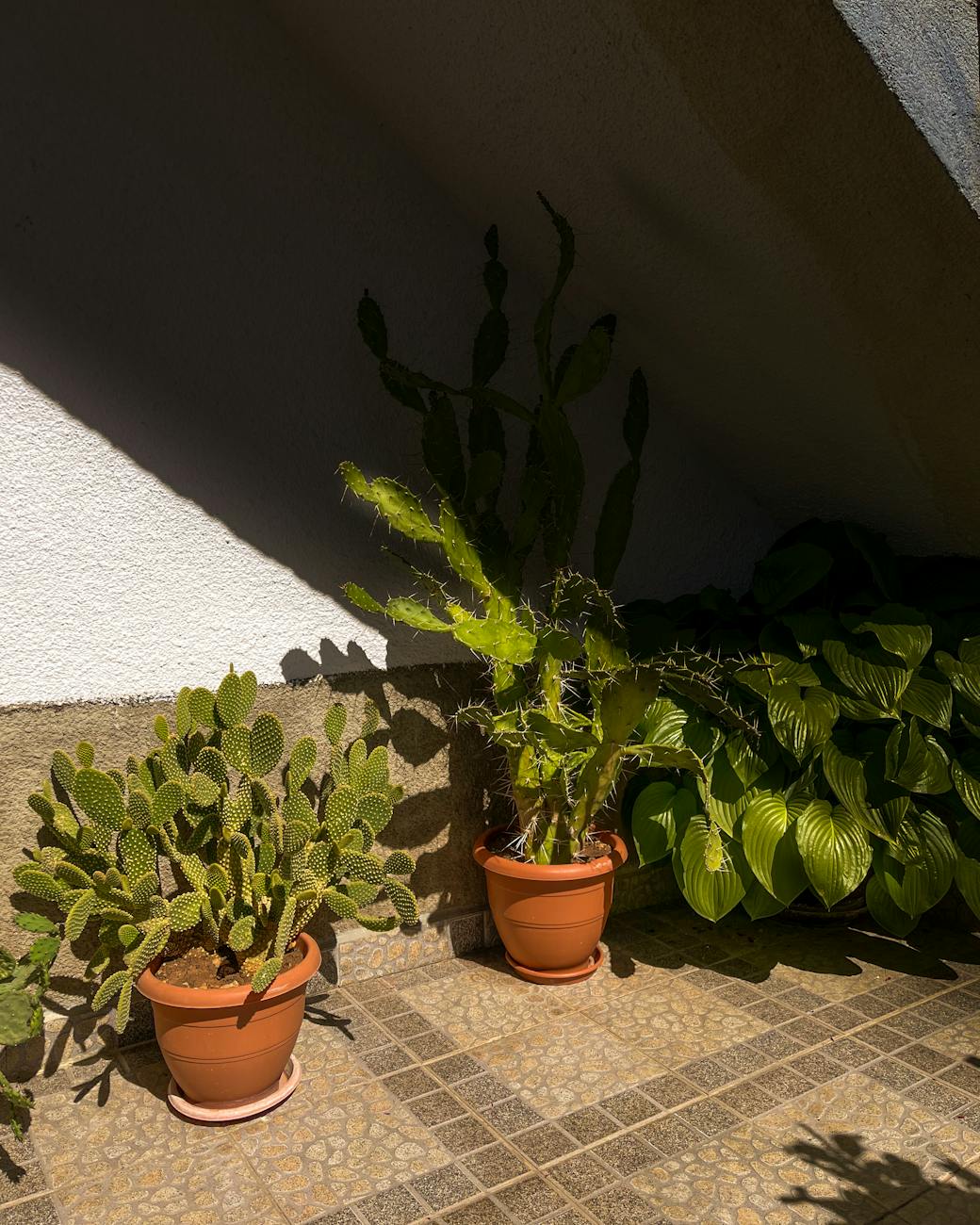
Decoding Your Urban Microclimate for Thriving Green Spaces
The success of any garden, no matter how small, hinges not just on what you plant, but on the environment in which those plants actually grow. When moving gardening from a vast backyard to a constrained urban setting—a balcony, a fire escape, a narrow patio—you enter a realm defined by the urban microclimate. This isn’t just about feeling warm or cool; it’s a complex interplay of localized air movement, solar exposure, and thermal mass that dictates water retention, nutrient uptake, and overall plant vitality. Understanding this subtle environmental shift is the first, most crucial step toward mastering urban gardening.
The Mechanics of Localized Climate Variation
A city environment acts as an amplifier for subtle climatic differences. Buildings, concrete, asphalt, and surrounding foliage alter how solar radiation is absorbed, reflected, and redistributed throughout the day. This creates pockets where temperatures fluctuate far more rapidly than in open fields. For instance, a south-facing wall might experience intense midday heat that radiates into the adjacent planter, while a north-facing area remains significantly cooler and shadier.
Wind patterns are equally dynamic. Urban canyons—the spaces between closely packed buildings—create unpredictable airflow. Wind tunnels can channel cool air down alleyways or create stagnant pockets where humidity builds up, directly affecting plant respiration and moisture loss. Ignoring these forces means ignoring the fundamental physics of growth.
Mapping Solar Exposure: Tracking the Sun’s Journey
Sunlight is the engine of photosynthesis; without it, all other efforts are moot. In an urban setting, tracking sun exposure involves more than just knowing where the sun is at noon. You must observe the trajectory of light across your specific space throughout the day.
Direct, intense sunlight can scorch tender foliage and rapidly deplete soil moisture, especially in containers. Conversely, plants requiring dappled shade—such as many herbs or leafy greens—benefit from filtered light that mimics a forest understory. Observing morning sun versus afternoon shade reveals crucial differences in photosynthetic rates. Placing sun-loving vegetables where they receive 6 to 8 hours of direct exposure is essential.
When planning your layout, map out the path of sunlight across your chosen area. Pay attention to shadows cast by neighboring buildings or larger structures. These fixed elements dictate where morning dew evaporates and where afternoon heat pools. This observational phase moves gardening from guesswork into applied science.
Analyzing Shade: Utilizing Architectural Features
Shade is not merely the absence of light; it’s a vital resource for many urban species. Deep shade, often found in areas shaded by dense foliage or building overhangs, slows down water evaporation from the soil, allowing plants to conserve moisture during hotter periods. This effect is critical when dealing with the weight and watering demands of container gardening.
Consider how shade impacts root systems. Roots require consistent, moderate moisture levels. Areas consistently shaded by dense structures will experience slower surface drying, which benefits roots that need prolonged hydration. Conversely, areas receiving intense, unfiltered sun necessitate superior drainage to prevent root rot. Understanding this shading gradient allows you to select the right plant palette for every nook and cranny of your urban space.
Wind Dynamics: Managing Airflow and Moisture Loss
Wind is a double-edged sword in container gardening. On one hand, a gentle breeze can provide necessary aeration, preventing fungal diseases like powdery mildew that thrive in stagnant, humid air pockets. On the other hand, strong, persistent winds accelerate transpiration—the process by which plants release water vapor through their leaves. This rapid moisture loss stresses plants quickly.
The direction and intensity of wind change dramatically based on height and proximity to large structures. Wind channeled between buildings can create unpredictable gusts at ground level. Therefore, when selecting placement for your containers, consider prevailing wind directions. Positioning delicate, high-transpiration plants in areas protected from direct, harsh drafts is a form of proactive environmental management.
Integrating Microclimate Data into Planting Decisions
The true power of understanding the urban microclimate gardening lies in synthesizing these three factors—sun, shade, and wind—into actionable planting strategies. This process requires diligent, on-site observation over several days, noting how the environment shifts from dawn to dusk and through the seasons.
For instance, a spot that receives morning sun but is shaded by an awning during the hottest part of the afternoon offers a unique thermal buffer. This space might be ideal for shade-tolerant root vegetables or delicate herbs that dislike intense midday heat. Conversely, a spot exposed to direct, intense afternoon sun needs excellent drainage and drought-tolerant varieties.
When you move into container gardening, where every inch of soil is finite, this analytical approach becomes indispensable. You must account for the fact that the soil itself, interacting with the surrounding air currents and light patterns, creates its own localized environment. This is why proper container selection and soil preparation are non-negotiable components of successful urban cultivation. Reviewing guidelines on Container Gardening 101: Pots, Soil & Drainage for Urban Spaces provides the necessary physical framework, but microclimate awareness provides the living context.
Optimizing Water Management in Variable Conditions
Since wind and sun dictate evapotranspiration rates—how much water plants lose—water management must be tailored to these variables. A spot experiencing high wind exposure will require more consistent moisture replenishment than a sheltered, shady nook where air movement is minimal.
This necessitates moving beyond simple, blanket watering schedules. You need to implement systems that respond to the immediate environmental reality. Exploring methods like DIY Self-Watering Systems for Tiny Urban Containers allows you to create localized moisture regimes directly at the root zone, mitigating the risks associated with unpredictable urban airflow and sun intensity. These systems help buffer plants against sudden dry spells caused by high winds or intense solar radiation.
Long-Term Strategy: Observing Seasonal Shifts
The microclimate is not static; it evolves seasonally. Spring brings rapidly warming air currents and longer daylight hours. Summer intensifies heat and wind effects. Autumn introduces cooler, more variable conditions that demand protective measures for sensitive plants.
By continuously monitoring these variables throughout the growing season, you gain an intuitive mastery over your specific garden plot. You stop reacting to general gardening advice and start responding directly to the specific physics of your balcony or patio. This analytical perspective transforms a collection of pots into a finely tuned ecosystem where every plant thrives by adapting to its immediate, unique environment. Mastering the urban microclimate is mastering the art of hyper-local horticulture.
Tags: urban gardening, microclimate, sunlight, gardening tips, urban farming, plant placement, outdoor space
Featured Image by Dmitry Limonov on Pexels.