
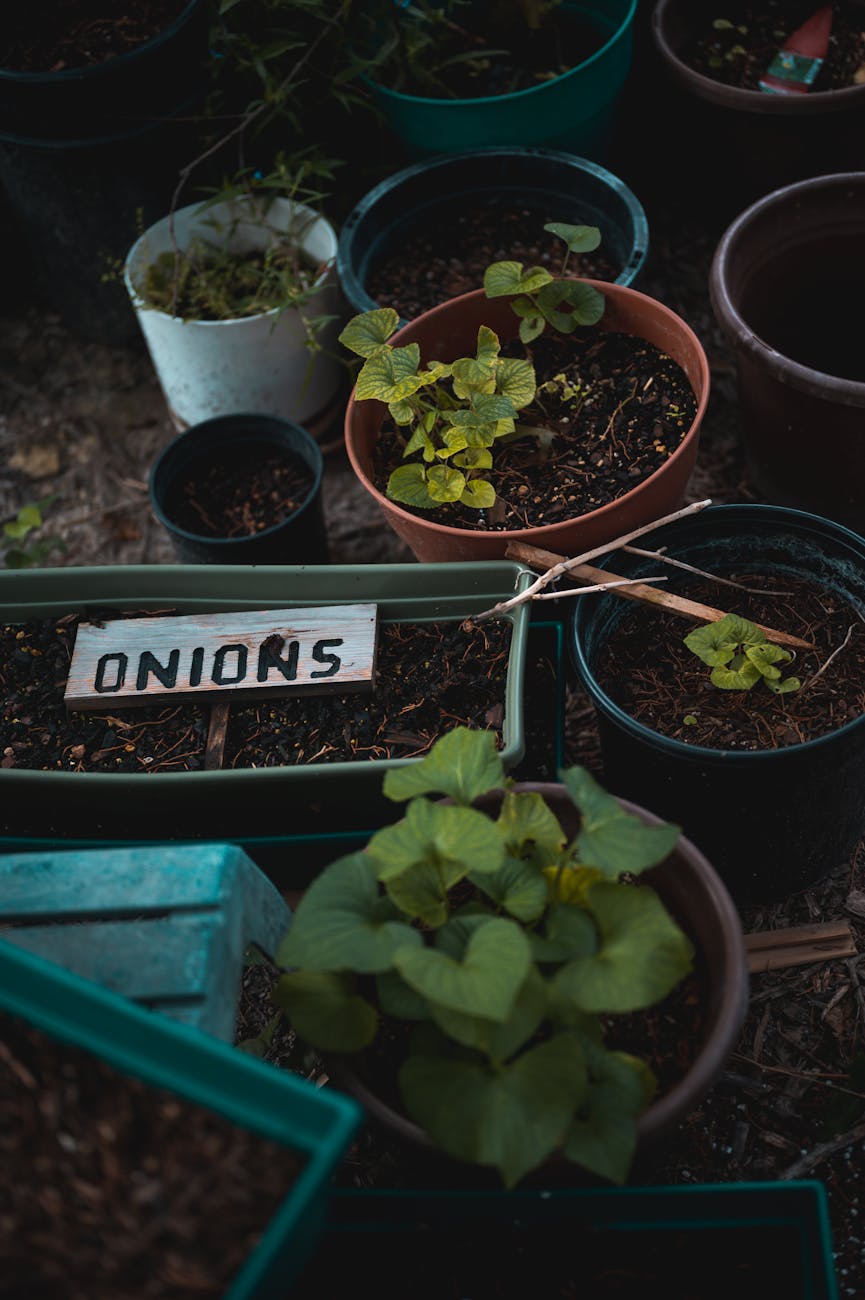
DIY Self-Watering Systems for Tiny Urban Containers
Welcome to the world of small urban gardening! Whether you have a sprawling backyard or just a few square feet on a balcony, maximizing your growing space is key. When dealing with limited space, efficient watering becomes a major challenge. That’s where self-watering container systems step in as a game-changer. These systems allow your plants to manage their own moisture levels, ensuring consistent hydration even when you’re busy with other urban pursuits.
This comprehensive guide will walk you through everything you need to know about building and implementing DIY self-watering solutions for your tiny urban containers. We’ll cover the benefits, different DIY methods, step-by-step instructions, and tips to ensure your small garden thrives.
Why Choose Self-Watering Container Systems for Urban Gardening?
Urban gardening presents unique challenges: limited soil volume, fluctuating temperatures, and the need for water conservation. Implementing a self-watering container system directly addresses these issues by creating a more resilient growing environment.
Conserving Water in Small Spaces
One of the most compelling reasons to use these systems is water efficiency. Traditional watering methods often lead to overwatering or runoff when dealing with small pots, especially in containers exposed to sun and wind. Self-watering systems use a reservoir to hold a steady supply of water, allowing the soil to wick up what it needs as the roots grow, minimizing waste.
Reducing Maintenance Effort
For city dwellers, time is often a precious commodity. Manual daily or even weekly watering can be tedious. A well-designed self-watering container system significantly reduces this maintenance burden. You set it up once, and your plants are largely self-sufficient, freeing you up to focus on enjoying the results of your gardening efforts.
Preventing Overwatering and Root Rot
The biggest mistake beginners make in container gardening is often overwatering, which leads to root rot—a common killer of indoor and balcony plants. Self-watering systems offer a controlled method of hydration. The water is held in a reservoir, preventing the soil from becoming perpetually saturated, which protects delicate roots, especially in confined urban containers.
Ideal for Various Urban Settings
These systems are perfectly suited for balconies, patios, small patios, and even indoor windowsill gardens. They provide an effective watering solution regardless of the specific microclimate you are working with. If you are looking to maximize your yields in these limited spaces, understanding plant selection is also crucial; consider exploring resources like Balcony Bounty: Maximize Yields in Small Urban Spaces to pair your systems with the right plants.
Popular DIY Self-Watering Container System Methods
There are several effective, budget-friendly ways to create a self-watering container system, depending on the size of your container and the materials you have available. We will explore the two most popular and accessible methods for urban gardeners.
Method 1: The Sub-Irrigated Planter (Wicking System)
This method is highly effective and mimics natural soil moisture dynamics, making it an excellent choice for small containers. It relies on a water reservoir below the growing medium.
Materials Needed
- An outer container (e.g., an old plastic bottle, a large yogurt container, or a terracotta pot).
- A liner or barrier material (optional, but helpful for drainage control).
- A water reservoir (a separate container placed underneath the main pot).
- An absorbent wick (felt, thick cotton rope, or a piece of old T-shirt fabric).
Step-by-Step Guide
- Prepare the Container: Take your outer container and ensure it has adequate drainage holes at the bottom if you are using a traditional soil mix. If using a plastic bottle, cut off the bottom section to create a reservoir area.
- Create the Inner Pot: Place a layer of coarse material (like small pebbles or broken pottery pieces) at the bottom of your main container to act as a drainage layer.
- Add Soil and Wick: Fill the container with your preferred potting mix. Then, place the absorbent wick vertically through the soil, ensuring it extends down into the water reservoir below.
- Assemble the Reservoir: Place your separate water reservoir underneath the main planter. Position the end of the wick into this reservoir and fill it with water. The wick will draw water up into the soil as needed.
Method 2: The Self-Watering Bottle/Pot System (Wicking Pot)
This method is excellent for very small pots or single plants where space is extremely limited, often utilizing repurposed bottles or containers.
Materials Needed
- A sturdy plastic bottle (e.g., a 1-liter soda bottle).
- A piece of fabric or rope for the wick.
- Potting soil.
Step-by-Step Guide
- Prepare the Bottle: Clean and dry your chosen bottle thoroughly. You will need to create two separate chambers: the water chamber and the soil chamber.
- Create the Wick Setup: Poke or cut a small hole near the cap of the bottle. Thread your absorbent wick through this hole.
- Layering the Contents: Place a layer of coarse material at the very bottom to prevent the wick from touching the water directly if you are using a sealed system, or simply place the soil inside the bottle.
- Filling and Sealing: Fill the bottom section with water (this acts as your reservoir). Add soil on top of the water level. Place the wick into the soil and allow the wicking action to begin. You can seal the bottle loosely or use a rubber band around the neck to secure the system.
Advanced Tips for Optimizing Your Self-Watering Setup
Building the physical structure is only the first step. To ensure your self-watering container systems deliver maximum success in an urban environment, pay attention to these advanced considerations.
Selecting the Right Growing Medium
The soil you use directly impacts how effectively your system functions. For self-watering setups, a well-draining, light potting mix is essential. Avoid heavy clay soils, as they can impede water movement. A mixture of peat moss, compost, and perlite or vermiculite works wonderfully for urban containers. Ensure your soil remains fluffy enough for the wick to penetrate easily.
Monitoring and Adjusting Water Levels
Even with a self-watering system, periodic visual checks are beneficial, especially when starting out. Once a week, check the water level in your reservoir. If the water is depleting faster than expected, refill it immediately. This proactive monitoring ensures that the wicking action remains consistent and prevents the soil from becoming dry between top-ups.
Adapting to Urban Microclimates
Urban environments experience intense heat and rapid temperature shifts. When setting up your system on a balcony or patio, be mindful of direct, intense afternoon sun. High temperatures increase the rate of evaporation from the surface, meaning your reservoir might need more frequent replenishment. Consider placing systems in slightly shadier spots if you are using very hot, full-sun containers. For selecting plants that thrive in these conditions, reviewing guides on Balcony Bloom Secrets: Choosing Flowers for Urban Microclimates can provide valuable insights.
System Scalability
As your gardening ambitions grow, remember that self-watering container systems are scalable. You can move from a single bottle setup to building interconnected vertical systems or larger, modular planters. Start small, master the basics of water management with simple setups, and then expand your knowledge to tackle more complex urban greening projects.
Troubleshooting Common Self-Watering Issues
Even the best DIY systems can encounter hiccups. Knowing how to troubleshoot these common problems will keep your garden healthy.
Problem: Soil is Too Wet or Water Stagnates
Cause: This usually means the drainage layer is inadequate, or the wicking material is blocked by compacted soil.
Solution: Gently loosen the topsoil and ensure that water can flow freely through it. If using a wick system, check if the wick is fully immersed in the moist soil. If stagnation occurs, slightly increase the amount of coarse material at the bottom to improve drainage.
Problem: Roots are Developing Poorly Despite Water Presence
Cause: The potting mix might be too dense, or the water reservoir isn’t sufficiently saturated to draw moisture effectively.
Solution: Gently aerate the soil by lightly poking holes in the top layer with a chopstick to allow air exchange. Ensure your water source is clean and that the wick has direct, unimpeded contact with the moist soil to facilitate proper wicking action.
Problem: Mold or Algae Growth on Containers
Cause: Excess moisture trapped on the container walls or the soil surface can encourage fungal growth.
Solution: Ensure all drainage holes are clear. If you notice algae buildup in the water reservoir, use distilled water when refilling to reduce mineral buildup, and ensure good air circulation around your setup.
Conclusion: Cultivating Self-Sufficient Urban Oasis
Building self-watering container systems is an empowering step for any small urban gardener. By taking the time to design and implement these simple solutions, you transform a potentially frustrating task—managing water in limited space—into an effortless, rewarding experience. Whether you choose the sub-irrigated planter or a self-watering bottle method, the core principle remains the same: providing your plants with consistent, optimal hydration. Embrace the simplicity, enjoy the increased yield from your tiny containers, and watch your urban garden flourish!
Tags: urban gardening, self-watering, container gardening, diy gardening, small space gardening, watering systems, container gardening
Featured Image by Alfo Medeiros on Pexels.