
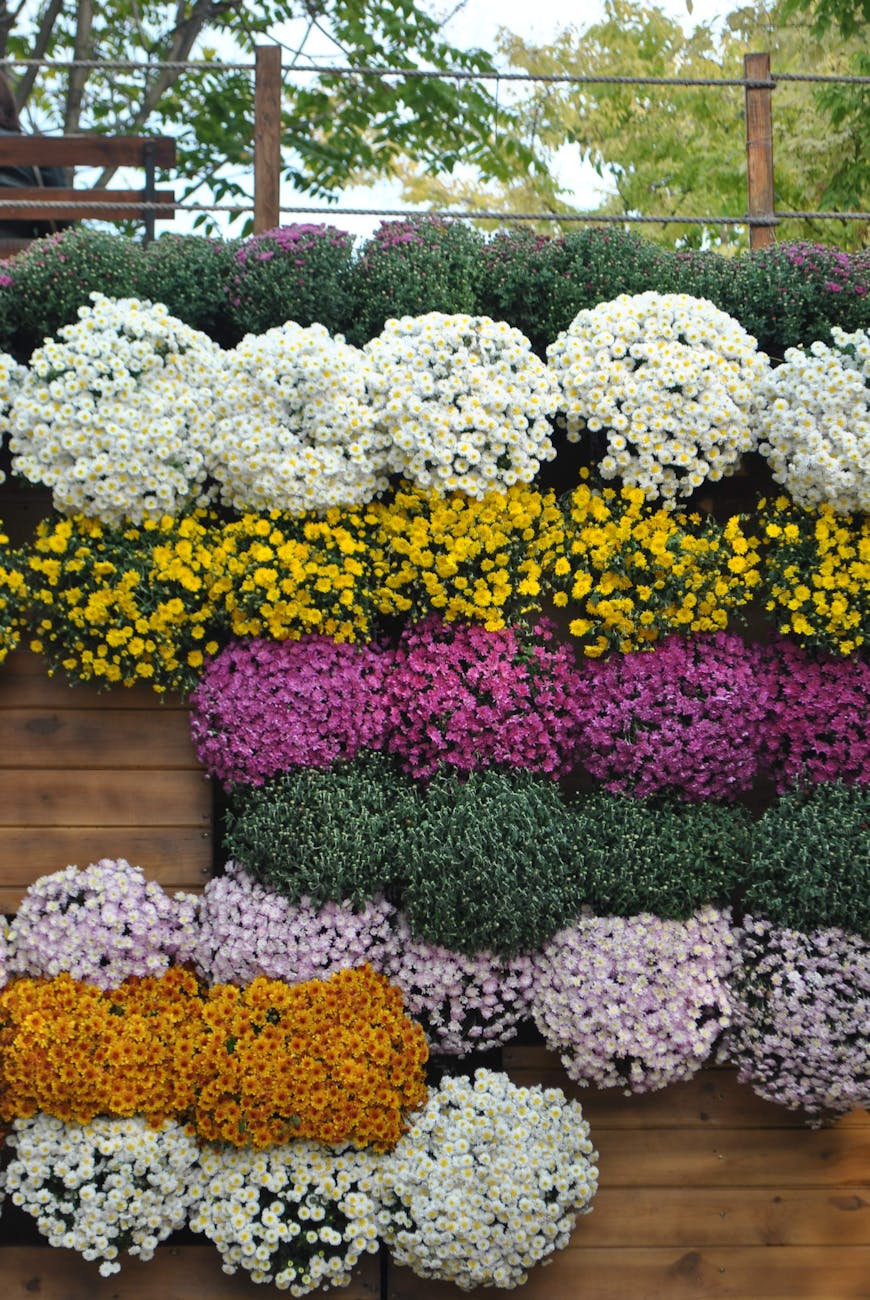
Elevate Your Space: The Art of Vertical Gardening
Do you dream of lush, colorful blooms but are constrained by limited space? If you live in a city apartment, a small balcony, or a compact urban garden plot, the traditional approach can feel restrictive. Enter vertical gardening flowers—a brilliant solution that turns overlooked vertical surfaces into abundant, beautiful green spaces. Vertical gardening is not just a trend; it’s an essential strategy for maximizing growing potential in dense urban environments. By growing upwards instead of outwards, you effectively multiply your growing area, bring nature closer to you, and create breathtaking focal points for any cityscape.
This guide will walk you through everything you need to know about harnessing the power of vertical gardening to transform tiny urban walls into thriving flower displays. We’ll explore various methods, discuss plant selection, and provide practical tips to ensure your vertical garden flourishes with vibrant health.
Why Choose Vertical Gardening for Urban Spaces?
The appeal of growing vertically in an urban setting is multifaceted. It addresses the primary constraint of city living: limited horizontal space.
Maximizing Limited Space
In dense urban areas, ground space is often scarce. Vertical gardening cleverly utilizes wall space, fences, balconies, and railings—areas that would otherwise remain unused. This technique allows you to cultivate edible herbs, colorful annuals, or fragrant perennials right where you live, turning an overlooked architectural feature into a productive garden.
Creating Visual Impact
A vertical garden offers dramatic visual appeal. It draws the eye upward, adding texture, depth, and a dynamic element to your living space. A wall covered in cascading vines or brightly colored blooms instantly elevates the aesthetic of balconies, patios, and small yards, bringing a touch of natural serenity amidst the concrete jungle.
Improving Air Quality and Microclimates
Plants thrive when given adequate light and airflow. By growing vertically, you often position plants to receive optimal sunlight exposure throughout the day, encouraging healthier growth. Furthermore, these living walls contribute positively to the urban microclimate by introducing greenery that helps filter air and reduce urban heat island effects.
Enhancing Biodiversity
Even a small vertical garden can provide essential habitats for pollinators like bees and butterflies. By incorporating flowering plants, you create miniature ecosystems that support local biodiversity right in your neighborhood.
Popular Vertical Gardening Techniques for Flowers
There is no single best way to implement vertical gardening flowers; the ideal method depends entirely on the type of wall material, available space, and the amount of maintenance you are willing to commit. Here are some of the most popular and effective techniques for urban settings.
Trellises and Scaffolding Systems
Trellises are perhaps the most classic and versatile method for vertical gardening. They provide a sturdy framework upon which plants can climb, allowing them to grow vertically with support.
- Wooden Trellises: These are readily available and offer a rustic, natural aesthetic, perfect for cottage gardens or balconies. They require careful preparation (treating wood to prevent rot) but allow for extensive plant variety.
- Metal Grids and Shelving: For modern urban aesthetics, metal grids or custom-built shelving units work wonderfully. These systems are strong, durable, and can be customized to fit specific wall dimensions.
Pocket Systems and Felt Planters
For smaller spaces where you want a softer, more contained look, pocket systems are incredibly effective. These often involve hanging fabric pockets or felt pouches attached directly to a wall or railing.
- Fabric Pockets: These create a soft, inviting texture while holding soil and plants securely. They are excellent for container gardening on walls and offer good drainage.
- Stacking Planters: When space is extremely limited, stacking small containers vertically can mimic the effect of a garden wall, maximizing planting density in a narrow area.
Pallet Gardens and Repurposed Materials
Upcycling materials is a cornerstone of sustainable urban gardening. Wooden pallets, old fences, or even large plastic bottles can be transformed into functional vertical gardening structures.
- Pallet Walls: Repurposed wooden pallets can be stood upright to create rustic, sturdy walls perfect for climbing plants. Ensure the wood is untreated or treated safely before use.
- PVC Pipe Systems: PVC piping can be cut and arranged to create modular vertical structures, offering a clean, modern look while providing ample support for flowering vines.
Selecting the Right Plants for Your Vertical Display
Choosing the right flowers and foliage is crucial for the success of any vertical gardening flowers project. Not all plants tolerate the same conditions—especially when grown against a wall where sunlight exposure and root space can be limited.
Considering Light Exposure
Before selecting any plant, observe how much direct sunlight your chosen wall receives throughout the day.
- Full Sun (6+ hours): Plants like most roses, geraniums, petunias, and many succulents thrive when placed on south-facing walls or walls receiving intense midday sun.
- Partial Shade (3-6 hours): Plants such as impatiens, ferns, and some shade-loving herbs do well in areas that receive bright, indirect light.
Adapting to Urban Microclimates
Urban environments can experience wind, temperature fluctuations, and sometimes harsher light conditions than rural settings. This makes plant selection vital for resilience. We recommend consulting guides on Balcony Bloom Secrets: Choosing Flowers for Urban Microclimates to ensure your selections are perfectly suited for your specific microclimate.
Choosing Climbers vs. Trailing Plants
The structure of your vertical setup will dictate the type of plant you choose.
- Climbers: Plants like climbing roses, clematis, or morning glories require a strong trellis or support to climb vertically. They create beautiful, flowing visual lines up the wall.
- Trailing Plants: Plants like sweet peas, ivy, or certain types of petunias are perfect for cascading over railings or shelves, creating lush, overflowing effects.
Soil, Water, and Maintenance: Keeping Your Vertical Garden Thriving
Even with the most perfect structure and plant selection, consistent care is what separates a struggling garden from a thriving display. Managing soil moisture and nutrients effectively is key to sustaining vibrant vertical gardening flowers.
The Importance of Quality Growing Medium
Since vertical gardens often use shallower pockets or shelves, the quality of the potting mix directly impacts root health. Avoid dense, heavy soil. A light, airy, and well-draining medium is essential for preventing root rot.
- Drainage First: Ensure your chosen material allows excess water to escape easily.
- Aeration: Incorporate materials like perlite or coarse sand into your potting mix to improve aeration, which is critical when growing in confined spaces.
Watering Strategies
Plants in vertical setups can dry out faster than those in the ground due to increased exposure and wind. Establish a consistent watering routine. In hot, sunny urban settings, you may need to water more frequently, especially during peak summer heat.
Feeding Your Flowers
As flowers bloom and foliage grows, they require supplemental nutrition. Use a balanced, slow-release fertilizer or liquid feed specifically formulated for flowering plants. Regular feeding ensures that your vertical gardening flowers remain vibrant and prolific throughout the season.
Material Matters: Choosing Containers for Urban Walls
The material you choose for any container or support system plays a role in longevity, aesthetics, and plant health. Understanding the properties of different materials is key to long-term success in urban settings.
Terracotta vs. Plastic vs. Fabric
When considering what to use for your pockets, planters, or hanging systems, the material choice impacts how water retention and temperature are managed.
- Terracotta: Breathable clay pots look beautiful and allow roots to breathe, but they can dry out quickly, requiring more frequent watering in hot urban conditions. They are excellent for aesthetic appeal.
- Plastic: Lightweight and durable, plastic containers offer excellent water retention and can be easily managed. Ensure you choose UV-resistant plastic if the setup is exposed to intense sun.
- Fabric/Felt: Fabric pockets offer a softer aesthetic, are lightweight, and allow for good air circulation around the roots. They are often ideal for hanging systems on balconies where weight reduction is a factor.
For more in-depth information on selecting appropriate materials, explore guides such as Container Material for Urban Gardening: Terracotta vs. Plastic vs. Fabric.
Troubleshooting Common Vertical Gardening Issues
Even with careful planning, challenges can arise. Knowing how to diagnose and fix common problems will keep your garden thriving season after season.
Dealing with Poor Growth or Wilting
If you notice leaves turning yellow or wilting unexpectedly, the first step is to check the watering routine. Overwatering leads to root rot; underwatering causes wilting. Also, assess light exposure—a plant may be wilting simply because it is not receiving enough sunlight on that specific wall.
Managing Pests
Confined spaces can sometimes make plants more susceptible to pests. Regularly inspect the undersides of leaves for signs of aphids, spider mites, or scale. A strong, healthy plant is naturally more resistant to minor pest issues, but early detection allows for easy intervention using organic methods.
Addressing Structural Issues
If your trellis or support system begins to sag or shift, it needs reinforcement. Ensure that any wooden supports are properly secured and treated to withstand the weight of the mature flowers and vines. A stable structure is the foundation of a successful vertical garden.
Final Thoughts on Urban Vertical Beauty
Embracing vertical gardening flowers is an invitation to redefine your relationship with urban living. By utilizing creative structures, selecting resilient plants suited to the city’s environment, and maintaining consistent care, you can transform an overlooked wall into a stunning, fragrant, and vibrant display. Whether you are using rustic wood, modern metal, or soft fabric, remember that the beauty of vertical gardening lies in your creativity and the life you bring to these small urban spaces. Start planning your vertical vision today and watch your walls bloom!
Tags: vertical gardening, urban gardening, wall planters, flower display, small space gardening, urban gardening tips, vertical gardens
Featured Image by Valeria Drozdova on Pexels.